
Last updated November 25, 2026
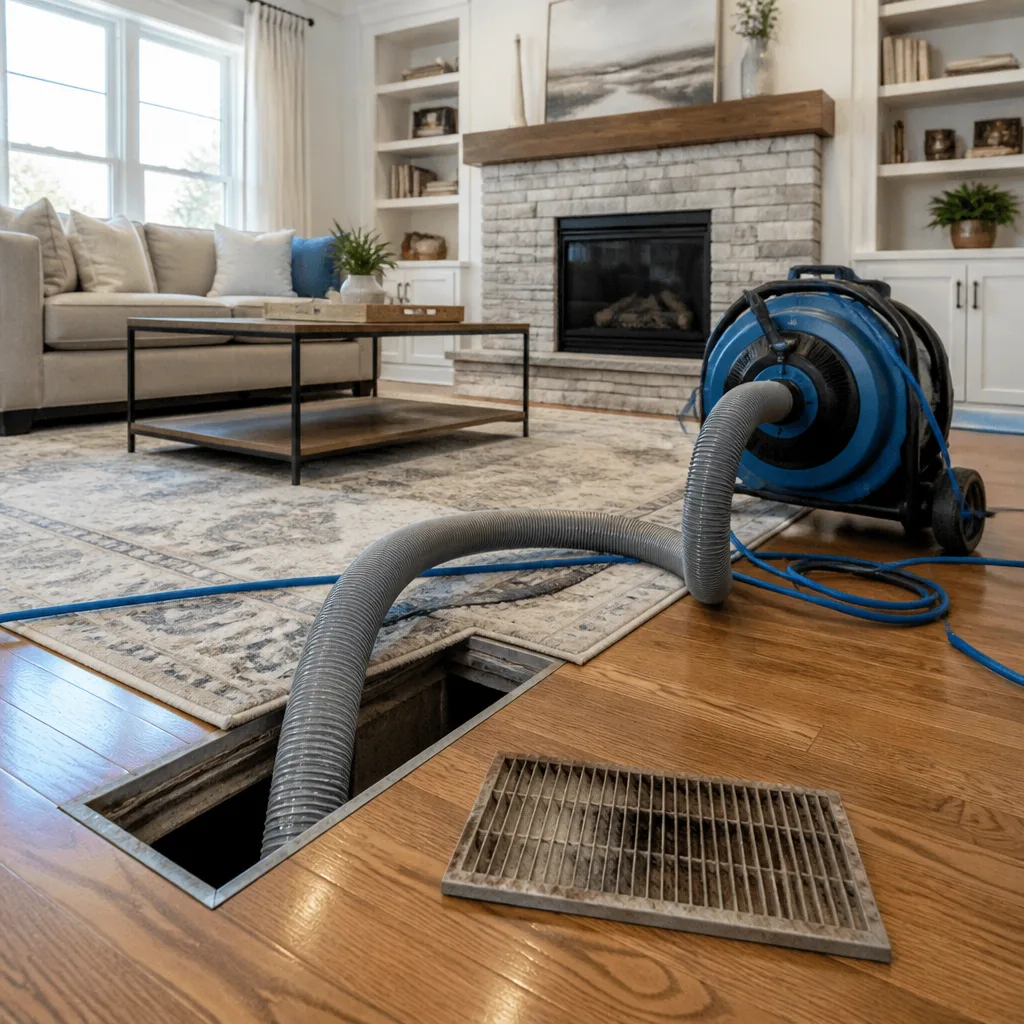 Whole-home duct cleaning
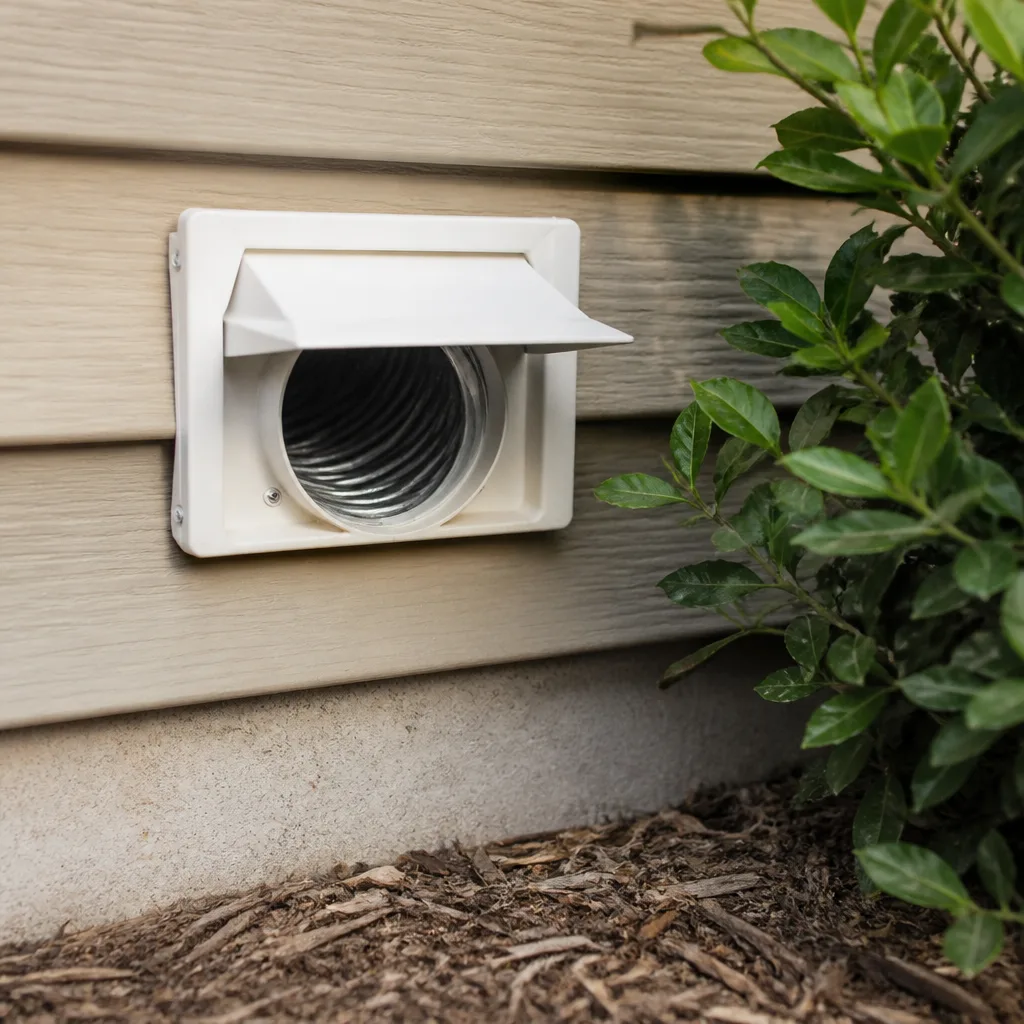 Dryer vent cleaning
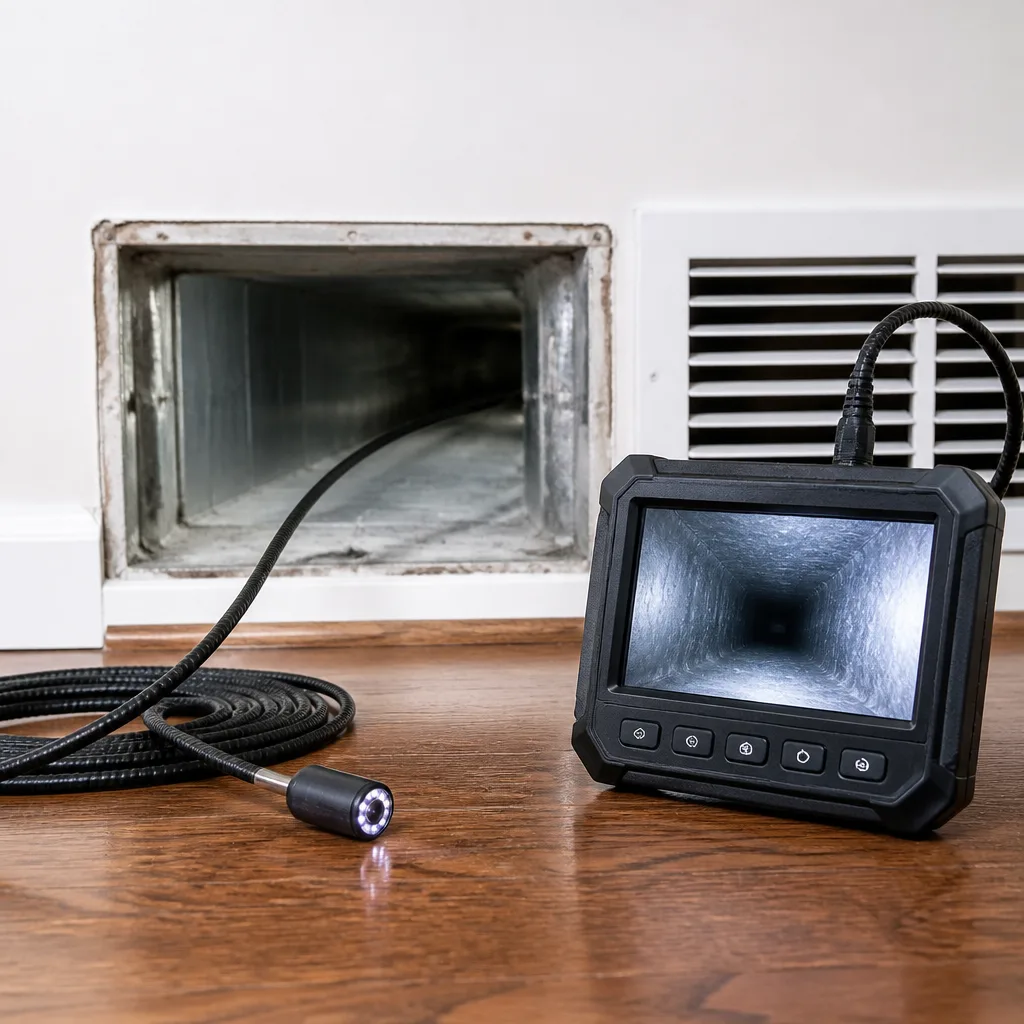 Camera inspection
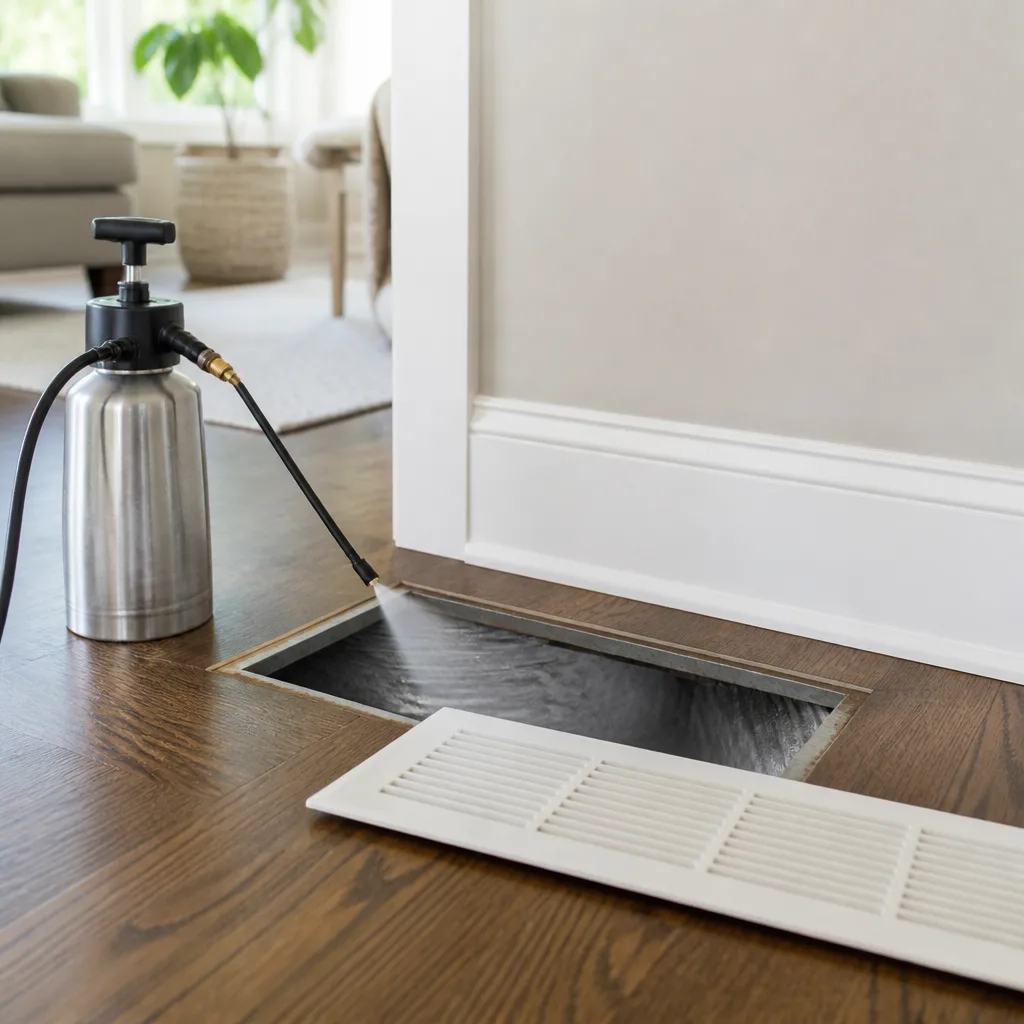 Sanitizing & deodorizing
Whole-system duct and dryer vent check with before-and-after photos - you see exactly what came out of your vents
That "$99 whole-house special" is a bait ad - the real number appears once they are in your hallway, or the "clean" is a shop-vac at the register. We photograph the inside of your ducts before and after instead.
DIY vs Professional Air Duct Cleaning: The Preston Hollow Homeowner’s Decision Guide
Here’s the number that reframes this whole decision: the duct cleaning kits rented at home improvement stores pull roughly 150 CFM of suction. Professional negative-pressure systems run 4,000 to 16,000 CFM. That isn’t a marginal upgrade. It’s the difference between stirring contamination loose and actually pulling it out of the system. We’re Air Duct Cleaning Preston Hollow, and we’ve watched this comparison get muddled for years. This guide lays out what DIY equipment can physically reach, where contamination really collects, when surface maintenance is genuinely enough, and when a Preston Hollow home needs source removal by a trained technician. Read it before you rent anything.
Quick Answer
DIY air duct cleaning is surface maintenance near the registers; professional cleaning is source removal inside the entire system. A homeowner with a shop-vac and register brush can manage that outer layer, but only a truck-mounted or high-CFM negative-pressure unit with a rotary contact tool reaches the main trunk, the blower, and the evaporator coil where most contamination accumulates. If your ducts are older, have been through a renovation, or show visible dust at the supply registers, you need professional source removal, not a rental kit.
Styles & brands we work with
- Whole-home duct cleaning
- Dryer vent cleaning
- Camera inspection
- Sanitizing & deodorizing
Table of Contents
- What DIY Equipment Can and Cannot Reach
- Where Contamination Actually Accumulates
- What Source Removal Actually Means
- When DIY Maintenance Adds Real Value
- The Risk Profile of a DIY Attempt
- How to Honestly Self-Assess Your Preston Hollow Duct System
- The Hybrid Approach: Maintaining Between Cleanings
- DIY vs Professional: Side-by-Side Comparison
What DIY Equipment Can and Cannot Reach
Consumer duct cleaning tools operate in a narrow band of the system. A shop-vac with a flex hose reaches a few feet into a supply register. A register brush cleans the grille and the first visible stretch of duct behind it. A rented “duct cleaning kit” typically pairs a small vacuum with a spinning brush on a short cable, and its effective reach is usually one to two feet past the register boot. That’s the honest ceiling of what DIY can accomplish inside a residential duct system.
What DIY cannot reach is most of the system. A standard forced-air system in an established Preston Hollow property carries a main trunk line down the center of the house with branch runs peeling off to individual rooms. The vacuum can’t get past the register, so the branch run, the trunk, and the plenum above the air handler stay untouched. The blower wheel sits inside a sealed cabinet. The evaporator coil – the wet, cool surface where dust sticks and stays – sits behind that. Earlier in this guide we referenced Air Duct Cleaning Preston Hollow as the entry point for our full home-service overview, and this is the exact reason: the equipment that matters lives past the register, and no consumer tool goes there.
Three reachable versus unreachable zones make the comparison clear:
- Reachable with DIY: the supply register grille, the return air grille, the filter slot, and the first few inches of visible duct behind each register.
- Borderline with DIY: the dryer vent exterior flap and the immediate lint screen area – though the interior of a dryer vent run is another matter entirely.
- Not reachable with DIY: the branch runs, the main trunk, the plenum, the blower wheel, the evaporator coil, and the interior lining of flex duct in the attic runs common to Preston Hollow homes.
That gap isn’t a marketing problem. It’s a geometry problem. Contamination sits where the tools can’t reach.
Where Contamination Actually Accumulates
Three locations account for the majority of what a professional duct cleaning removes from a Preston Hollow home. Dust and debris don’t settle evenly through a duct system; they concentrate at the points where air changes speed, changes direction, or passes over a wet surface.
The evaporator coil. This is the refrigerated coil inside the air handler. Air passes over it every time the system runs. Because the coil is cold and damp during cooling season, dust sticks to it and stays. Once dust coats the coil, airflow drops across the whole system. A dirty coil is the single most consequential dust deposit in the house, and it’s sealed inside a cabinet no homeowner can open safely.
The blower wheel. The blower pulls return air across its blades and throws it into the supply side. Over time the blades load up with a matted dust layer that changes the balance of the wheel and reduces the volume of air the system can move. This is another sealed component.
The main trunk and branch runs. The trunk line is where volume is highest and where debris collects along the bottom of the duct. Branch runs to bedrooms and bathrooms accumulate dust in the low spots and at every elbow. Because branch runs are long and narrow, dust settles along the floor of the duct where a register brush never touches.
Registers catch what you can see. The coil, blower, and trunk hold most of what’s actually circulating. A technician with a rotary contact tool and negative pressure reaches all of it; a homeowner with a shop-vac reaches only the first category.
What Source Removal Actually Means
Source removal is the professional standard, and the term is specific. It means the contamination is physically dislodged from the surfaces where it accumulated and captured under negative pressure so it leaves the house rather than re-entering the living space. Every part of the process matters, and every part is why consumer tools can’t replicate it.
- Containment and negative pressure. A high-CFM vacuum unit, connected at a main trunk access or at the plenum, pulls the entire duct system into negative pressure. Every register and every joint draws inward, so dislodged debris is captured rather than pushed into rooms. The unit runs 4,000 to 16,000 CFM depending on the system – roughly 25 to 100 times the suction of a rental kit.
- Rotary contact cleaning. A rotary brush on a flexible whip is fed through the trunk and branch runs. The brush physically scrubs the duct walls with contact, not just airflow. We run Rotobrush and Nikro platforms for this – the same class of equipment used by commercial and restoration contractors, not residential gear.
- Air washing with compressed air. Where a brush can’t physically fit, high-pressure air dislodges contamination and the negative pressure captures it. The two work together.
- Coil and blower cleaning. The air handler is opened, the evaporator coil and blower wheel are cleaned, and the assembly is sealed up again. This step alone is why a professional visit can change how the house feels.
- Filtration during service. Abatement Technologies air filtration units, the same standard used in professional mold and contaminant remediation, run HEPA containment during the cleaning so particles don’t escape into the home.
- Sanitizing. After the surfaces are clean, a sanitizing treatment with Guardsman-grade products reduces microbial load on the duct lining. Sanitizing makes no sense on top of dust; it only makes sense on a clean system.
Every step in that sequence requires equipment or access a homeowner doesn’t have. That’s not gatekeeping. It’s the reason the four-step process works.
When DIY Maintenance Adds Real Value
DIY does have a legitimate role, and it’s a maintenance role, not a cleaning role. Three simple tasks make a real difference in a Preston Hollow home and cost almost nothing to keep up with.
- Monthly register wipe-downs. Dust on the grilled face of your supply and return registers isn’t inside the system; it’s on the surface. A damp cloth once a month keeps visible dust off and lets you spot any change in accumulation early.
- Filter changes on schedule. This is the single highest-leverage DIY task in HVAC ownership. A filter that loads up starves the coil of airflow and lets dust that would have been trapped travel downstream instead. Pick an interval and stick to it – three months is a common baseline for a standard filter, more often during heavy pollen or renovation season.
- Return air intake and exterior vent screen clearing. After a big storm or a particularly dusty stretch, check the return air intake and the screen on your outdoor dryer vent flap. Clearing lint or debris from those screens is safe and effective.
Notice what’s not on that list: cleaning inside the ducts. That’s the part where the equipment gap is real. We’ve seen homeowners who handle their registers and filters faithfully, and those habits genuinely extend the interval before a professional cleaning is needed. But good maintenance is not a substitute for source removal. It’s the habit that keeps the system functioning between professional visits.
The Risk Profile of a DIY Attempt
The worst DIY attempt doesn’t leave the ducts dirty. It leaves them worse than before, or damages equipment that costs thousands to repair. Four specific things can go wrong when a homeowner tries to clean inside the system, and each one escalates the cost of the eventual professional visit.
- Dislodging mold colonies. If contamination has colonized a duct surface and a homeowner disturbs it with a brush or shop-vac, the spores go airborne inside the system and get distributed through every supply register in the house during the next heating cycle. Contained removal requires negative pressure and HEPA filtration; a shop-vac does the opposite.
- Puncturing flex duct lining. The flexible insulated duct used in many Preston Hollow attic runs and short runs has a thin inner liner. A rigid brush or a vacuum head shoved past the register boot can tear it. A torn liner leaks air into the attic, loses insulation value, and lowers the system’s efficiency. Repairs are real work.
- Pushing debris further into the system. A shop-vac generates suction, not pressure-neutral air wash. Without system-wide negative pressure to capture dislodged dust, brushwork can push debris into an elbow, into the coil face, or into a branch run that just got harder to reach. The contamination doesn’t leave; it relocates.
- Voiding equipment warranties. Manufacturers of HVAC components and of flex duct often specify that certain maintenance work be performed by a qualified technician. Opening an air handler cabinet or feeding tools into a flex duct that warps in the process can put your equipment warranty at risk.
None of these happen on every attempt. But they happen often enough that any honest estimate has to include them. The right move if you suspect colonization, visible damage, or a compromised liner is to stop and have it evaluated. This isn’t a job to learn on.
How to Honestly Self-Assess Your Preston Hollow Duct System
The system you’re assessing has a specific history that helps answer the question. Preston Hollow is a neighborhood of older, established properties with distinct housing stock – many homes here have ductwork that predates the current HVAC equipment and has seen one or more renovations, additions, and equipment replacements. The relevant signals are observable. Walk through this assessment honestly.
Start with system age. If your duct system is thirty years old or more, or if it has been in the house through one or more equipment replacements, assume it has accumulated meaningful contamination. Source removal is the correct first step; DIY maintenance on top of old contamination doesn’t fix the contamination.
Next, renovation history. Any renovation that produced drywall dust, wood dust, or insulation fibers pushed debris into open branches if the registers weren’t taped off. If your home has been renovated or had an addition in the last several years, that dust is still in the system unless someone cleaned it. Surface maintenance doesn’t remove it.
Then look at symptoms. Four observable signs point to source removal rather than surface cleaning:
- Visible dust puffing out of a supply register when the system turns on.
- A persistent musty or “old house” smell in a room that improves when the HVAC runs.
- Dust accumulating on horizontal surfaces faster than it should, particularly in one or two rooms.
- Allergy symptoms that get worse when indoor air is closed up and the system is running.
If two or more of those are present, or if system age and renovation history point to accumulated debris, the honest answer is that surface maintenance won’t solve it. If your duct system is under fifteen years old, has no renovation history, no visible symptoms, and your filters are being changed, DIY maintenance may genuinely be the right call – and a professional cleaning can likely wait.
The Hybrid Approach: Maintaining Between Cleanings
The best long-term strategy in a Preston Hollow home isn’t DIY versus professional. It’s DIY habits between professional cleanings, with each cleaning spaced out based on how the system actually performs. This is a maintenance rhythm, not a one-time transaction.
- Change filters on schedule. This is the anchor habit. Your whole system’s interior stays cleaner when the filter is doing its job.
- Wipe registers monthly. Takes five minutes. Keeps visible dust down and lets you spot changes early.
- Schedule a professional cleaning when the interval comes up. The honest interval depends on your system age, filter discipline, pet ownership, renovation activity, and household size. A professional inspection can confirm whether you’re ready or can still wait.
- Pair cleaning with duct repair and sealing. Leaky ducts pull attic dust into the supply side; sealing them reduces how fast the system dirties back up. This is where professional work compounds.
- Address structural issues you spot. Loose joints, disconnected flex duct, damaged boots, and gaps at the plenum are all repairable, and fixing them keeps future cleaning intervals longer.
We work on the whole airflow system for exactly this reason. If the goal is clean air for as long as possible, then air duct cleaning is one part of a larger picture that includes coil cleaning, dryer vent maintenance, and sealing the leaks that let contamination back in. Because we also handle dryer vent cleaning and HVAC cleaning as part of the same service scope, you don’t have to coordinate three different providers. The system gets treated as a system.
DIY vs Professional: Side-by-Side Comparison
Here’s the honest comparison in structured form. Prices for professional cleaning vary by system size and scope; every job comes with a written estimate before work starts, and the price is per system, not per vent.
- Suction power: DIY rental kit ~150 CFM vs professional negative-pressure unit 4,000-16,000 CFM.
- Reach inside the system: DIY reaches the register and immediate boot vs professional reaches trunk, branches, plenum, and air handler.
- Air handler cleaning (coil, blower): not part of a DIY task; included in professional scope.
- Duct repair and sealing: not part of DIY; offered as part of professional service with true leak identification.
- Sanitizing treatment: not possible DIY without the right products and positive-pressure application; included when needed professionally.
- HEPA containment during work: absent in DIY; Abatement Technologies filtration used on professional visits.
- Documentation: no before-and-after record with DIY; documented with photos on a professional job.
- Typical cost: one-time rental fee plus supplies and possible equipment damage vs a written-estimate per-system price set before work begins.
- Best suited for: surface dust control between professional cleanings vs actual source removal from the entire system.
If all you need is register dust control and your filter discipline is on point, DIY holds real value. If you’re trying to remove the accumulation in the coil, the blower, and the trunk, the equipment gap is the whole story.
Common Mistakes to Avoid
- Treating a rental kit as equivalent to professional cleaning. The airflow gap between 150 CFM and a 4,000+ CFM negative-pressure unit is the difference between disturbing contamination and removing it. Assume any rental kit is doing maintenance, not source removal.
- Shoving a brush too far past the register. Flex duct inner liners tear easily and the damage doesn’t show from outside. In a Preston Hollow home with attic-run flex duct, this is the most common repair we find after a failed DIY attempt.
- Skipping the air handler. Even after new ductwork and filters, the coil and blower wheel can be the dirtiest components in the system. Cleaning ducts without cleaning the coil doesn’t solve the airflow problem.
- Running a shop-vac on mold. A standard shop-vac spreads spores through the exhaust rather than containing them. If there’s a musty smell or visible growth, stop and have it evaluated on a proper HEPA containment setup.
- Cleaning without sealing the leaks. Loose joints at the plenum and gaps at the boots pull attic air in. Cleaning a leaky system means dirt comes right back. Seal before or during the clean.
- Relying on a coupon figure without a written scope. A low headline price often means register-only cleaning or a per-vent charge that balloons. Ask for the price per system, in writing, before anything starts.
- Cleaning ducts but never touching dryer vents. A dryer vent is an airflow point too, and lint accumulation there is a real fire risk. It needs professional cleaning like the rest of the system does.
See the difference
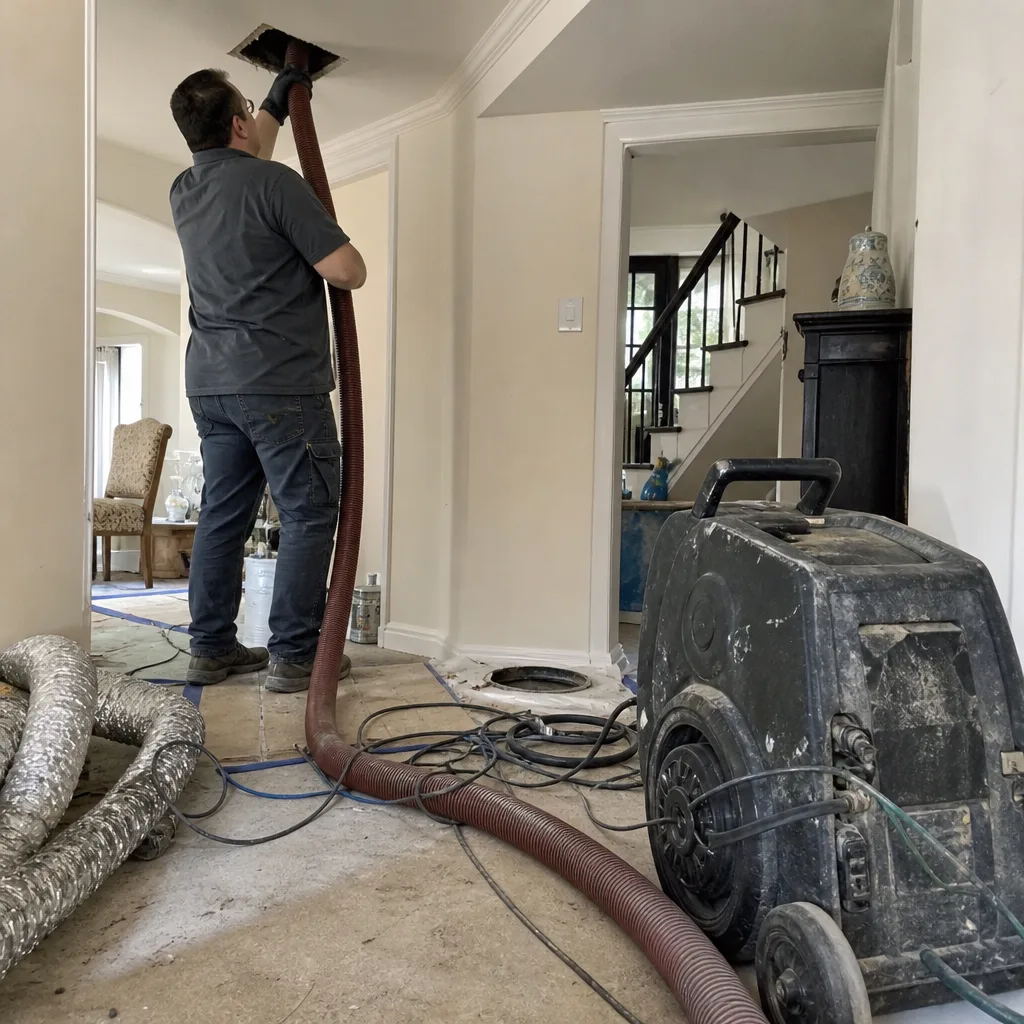 Before
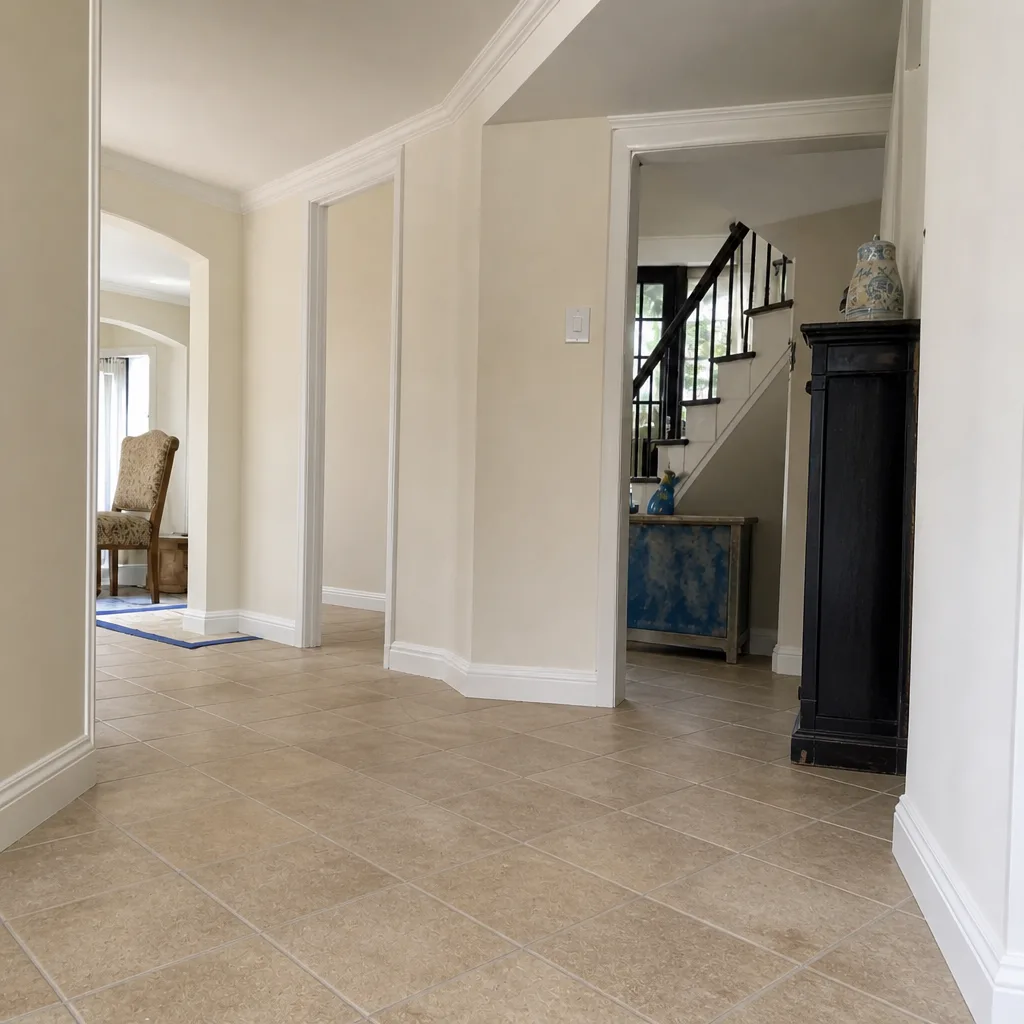 After
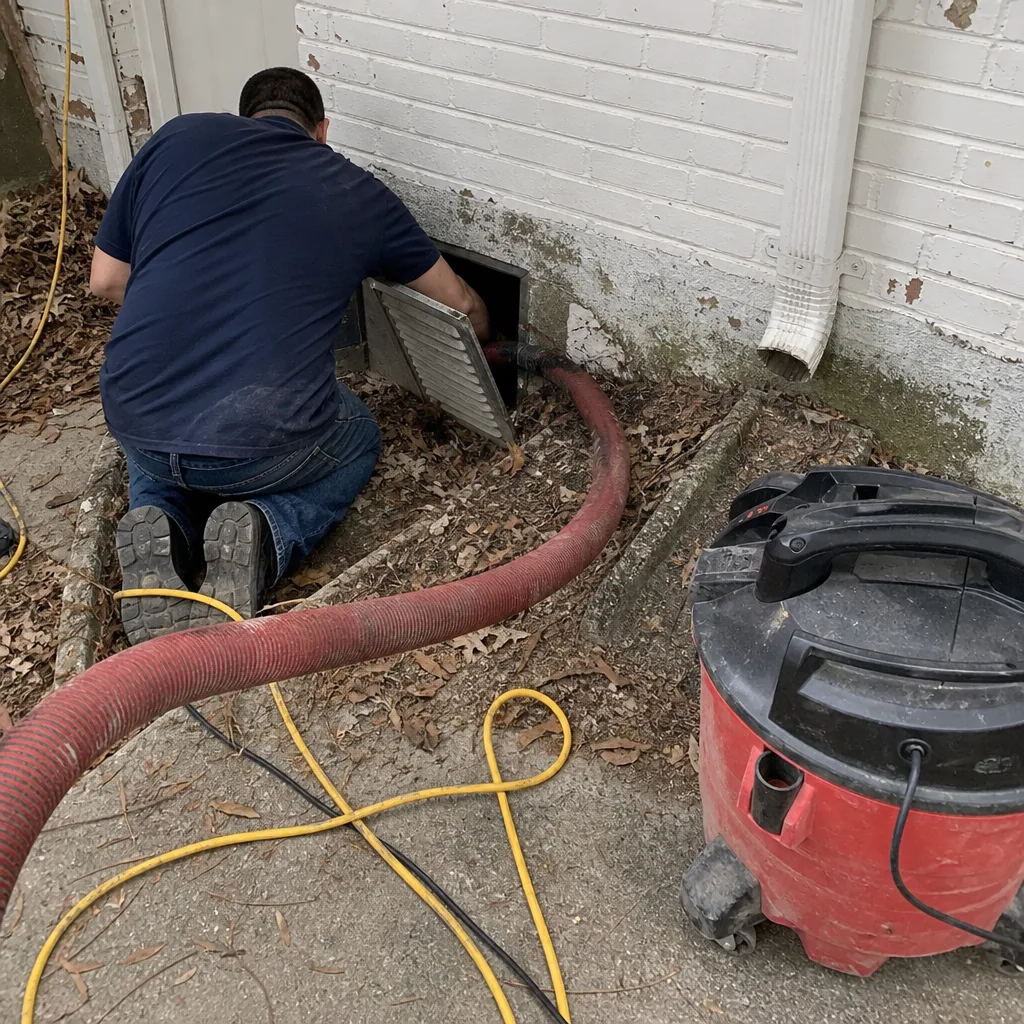 Before
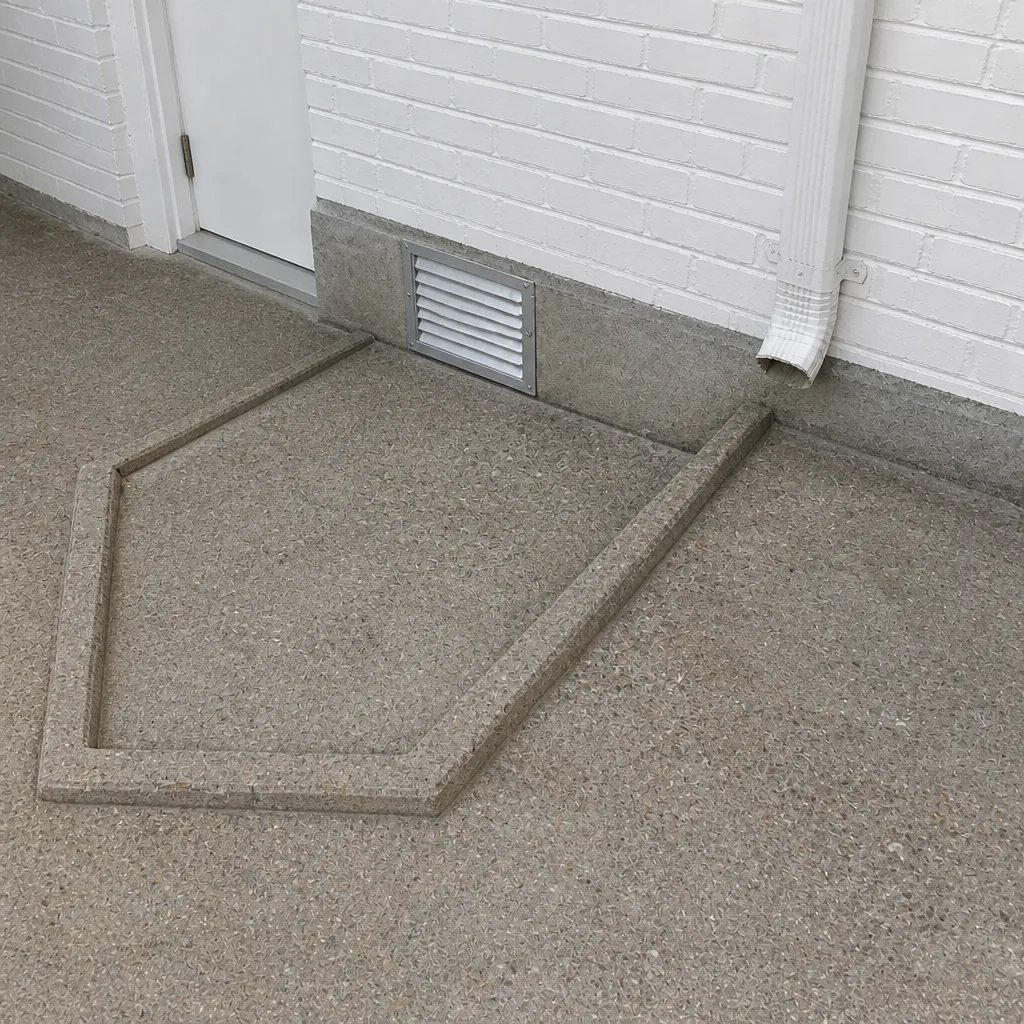 After
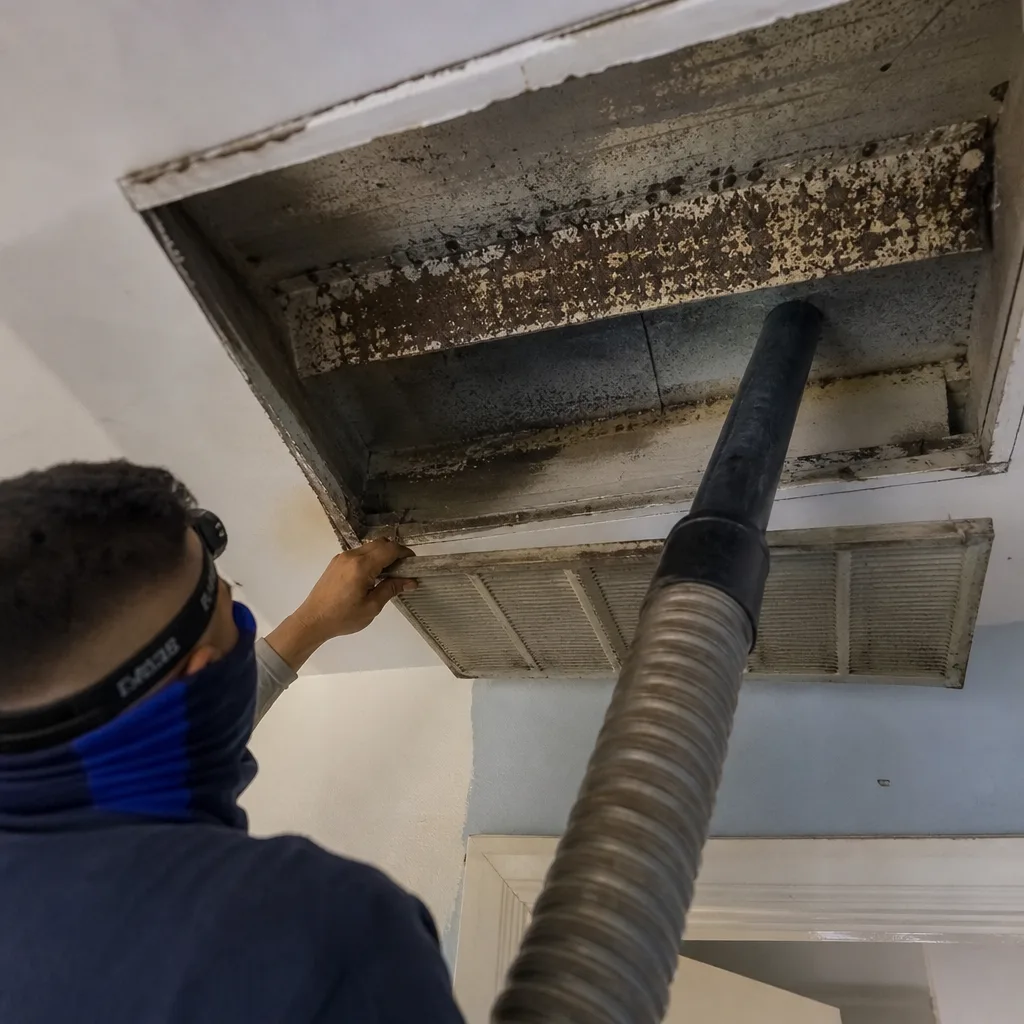 Before
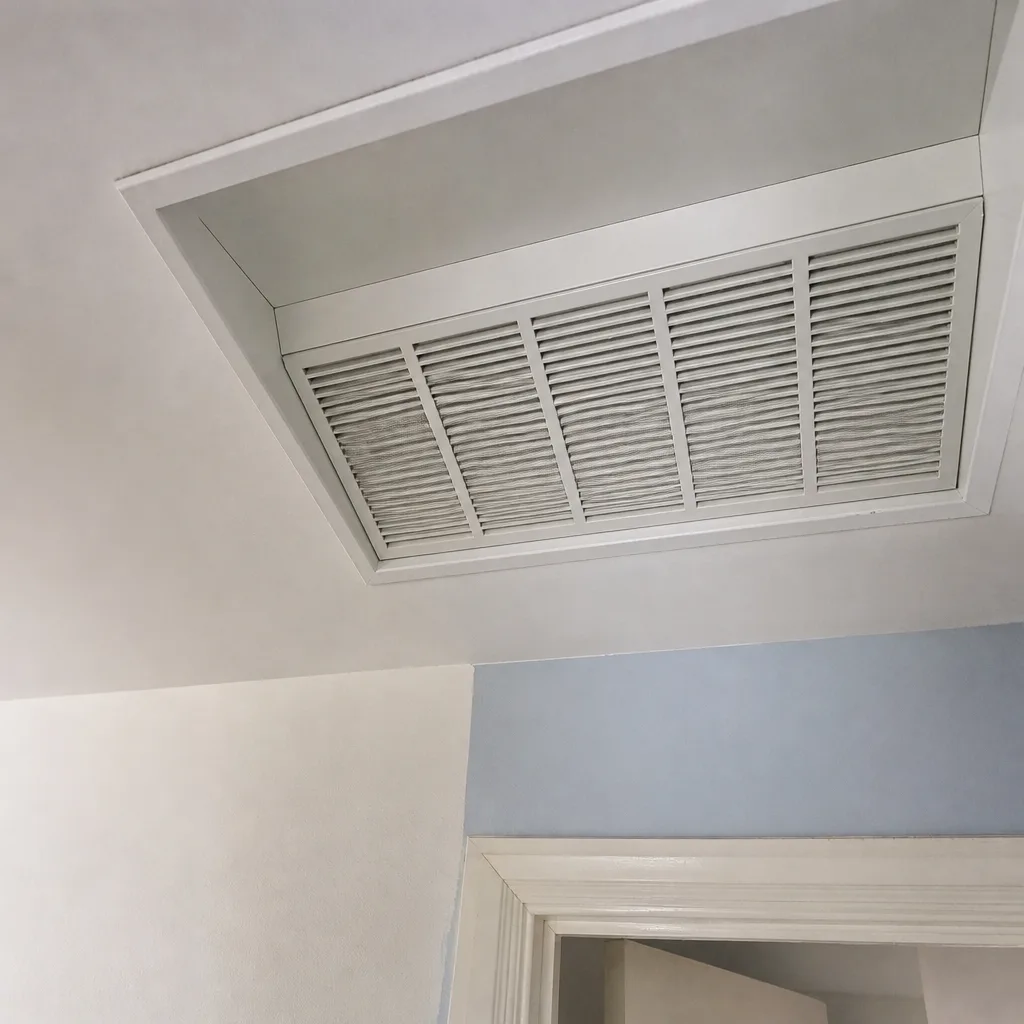 After
When to Call a Professional
Call a professional when the assessment above points to source removal rather than surface maintenance. That means: visible dust coming out of registers when the system runs, a musty smell that improves when HVAC runs, a home that’s been renovated in the last several years, an older Preston Hollow system that’s had multiple equipment replacements, or a dryer vent that hasn’t been cleaned in years. It also means any situation where contaminants might be biological – don’t guess with mold. Two other clear signals: duct damage you can see or suspect (loose joints, torn flex, disconnected runs) and any question about the air handler itself. Air Duct Cleaning Preston Hollow offers free estimates in Preston Hollow – call (833) 513-8108. We answer 24/7. Fast dispatch from 7am to 7pm, Sunday through Friday, and every visit is a written per-system price agreed before work starts. Our technicians have up to 12 years of experience, and we bring the professional equipment the job actually requires.
Frequently Asked Questions
A homeowner can maintain their registers and filter slot, but not clean the inside of the duct system. Surface work at the register and grille is safe and useful; reaching the trunk, branches, and air handler requires negative-pressure equipment and rotary tools no consumer product matches. If your system shows signs of accumulated contamination, the work belongs with a trained technician.
Most established homes in Preston Hollow benefit from professional cleaning every three to five years unless there’s been a renovation, visible symptoms, or a dirty coil issue. Homes with pets, smokers, or recent renovation work need it sooner. A free inspection can confirm the actual interval for your system. Call (833) 513-8108 for an exact estimate.
Yes, in three specific scenarios. If there is any musty smell or sign of mold, a shop-vac will spread spores rather than contain them. If flex ducting runs through the attic, a brush can puncture the liner and damage the system. And if the air handler itself is dirty, cleaning ducts without cleaning the coil and blower accomplishes very little. In each case, call a professional.
Low quotes usually buy surface cleaning near the registers, per-vent pricing that adds up quickly, or a skip of the coil and blower. A full source removal job costs more because it involves negative pressure across the whole system, coil and blower cleaning, sealing, and often sanitizing. Ask for the price per system in writing before work starts, and ask what the quote actually includes. Call (833) 513-8108 for an exact estimate covering the full scope.
You see before-and-after photos of your own ducts, and you see the equipment on site. A real source removal job uses a large negative-pressure unit, rotary tools like the Rotobrush or Nikro systems, and HEPA containment filtration. If your tech doesn’t show up with that equipment and doesn’t document the work, ask why before they leave. A written per-system estimate plus before-and-after photos is the standard to expect.
Cleaning removes the accumulated contamination physically. Sealing repairs leaks and gaps that let new contamination back in. Sanitizing reduces the microbial load on already-clean duct surfaces. Cleaning without sealing leaves the system leaky; sanitizing without cleaning traps dust under disinfectant. All three belong in the same visit when they’re needed.
The Bottom Line
DIY duct cleaning and professional cleaning are different activities. One is surface maintenance near the registers; the other is source removal through the entire system. The honest question isn’t which is cheaper – it’s which one your Preston Hollow home actually needs. If your system is newer, has no renovation history, and shows no symptoms, monthly register upkeep and disciplined filter changes are a real, valuable DIY rhythm. If your system is older, has been through a renovation, or shows observable symptoms, surface work won’t solve the problem, and a rental kit can make things worse. The best path for most homes is DIY habits between professional cleanings, with the duct system, coils, blower, dryer vent, and seals handled as one whole-system job.
Ready to know what your system actually needs? Call Air Duct Cleaning Preston Hollow at (833) 513-8108 for a free estimate. We answer 24/7. Fast dispatch from 7am to 7pm, Sunday through Friday. We clean it, seal it, and sanitize it, and you get a written per-system price before any work begins.
Written by the team at Air Duct Cleaning Preston Hollow.