
Last updated November 25, 2026
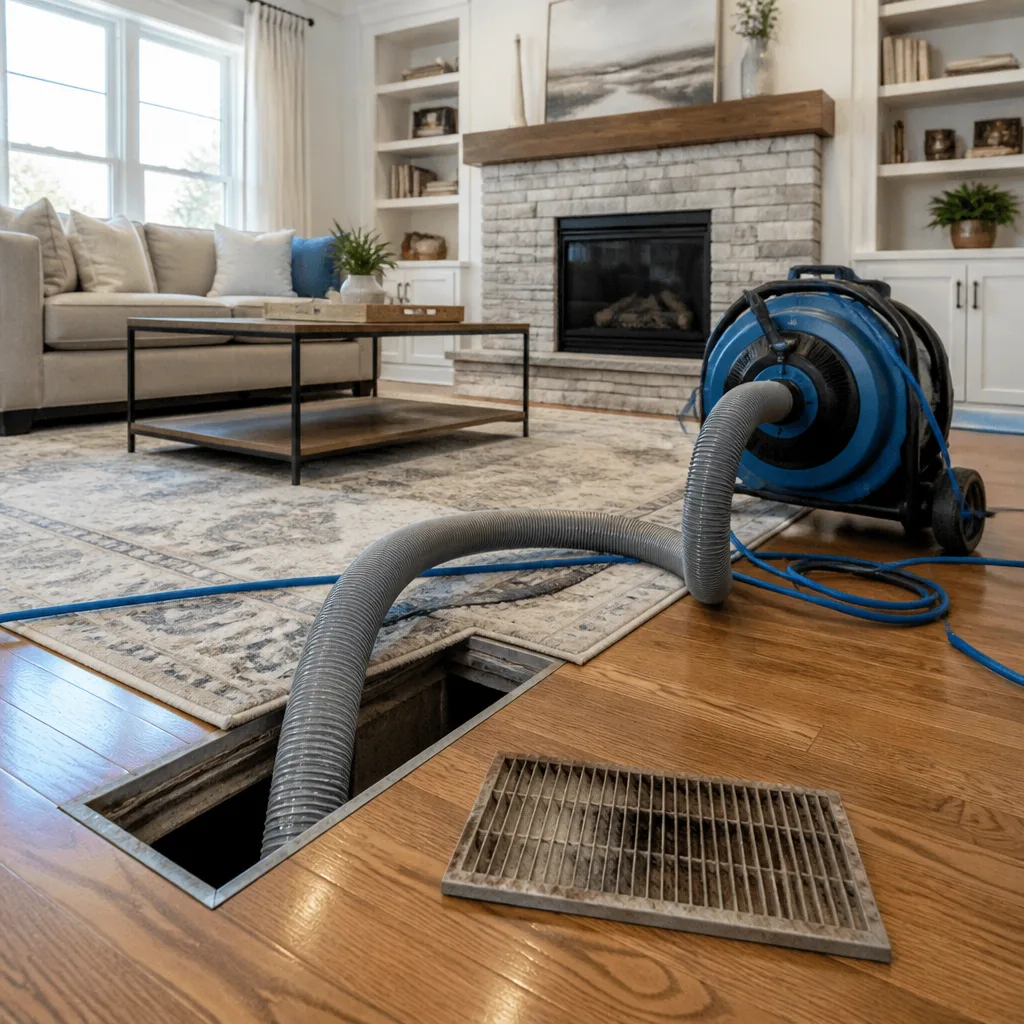 Whole-home duct cleaning
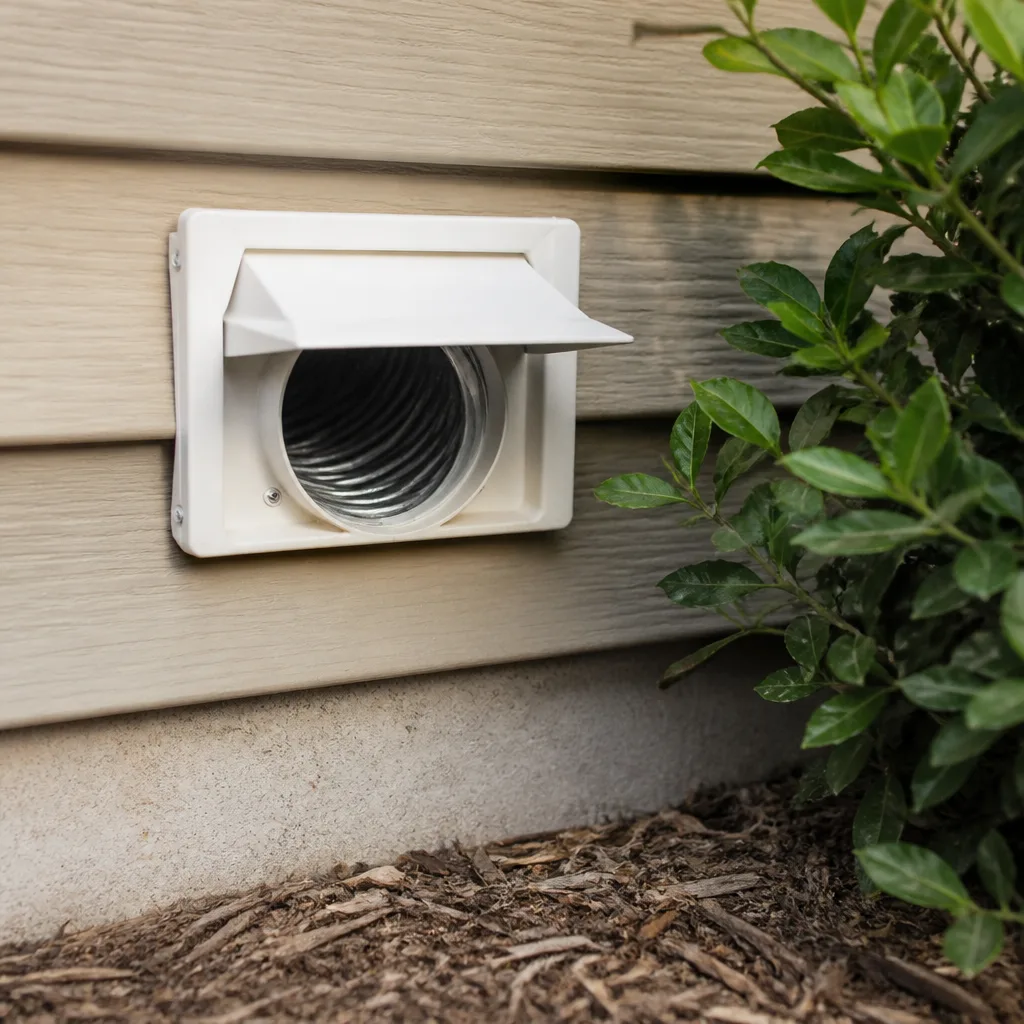 Dryer vent cleaning
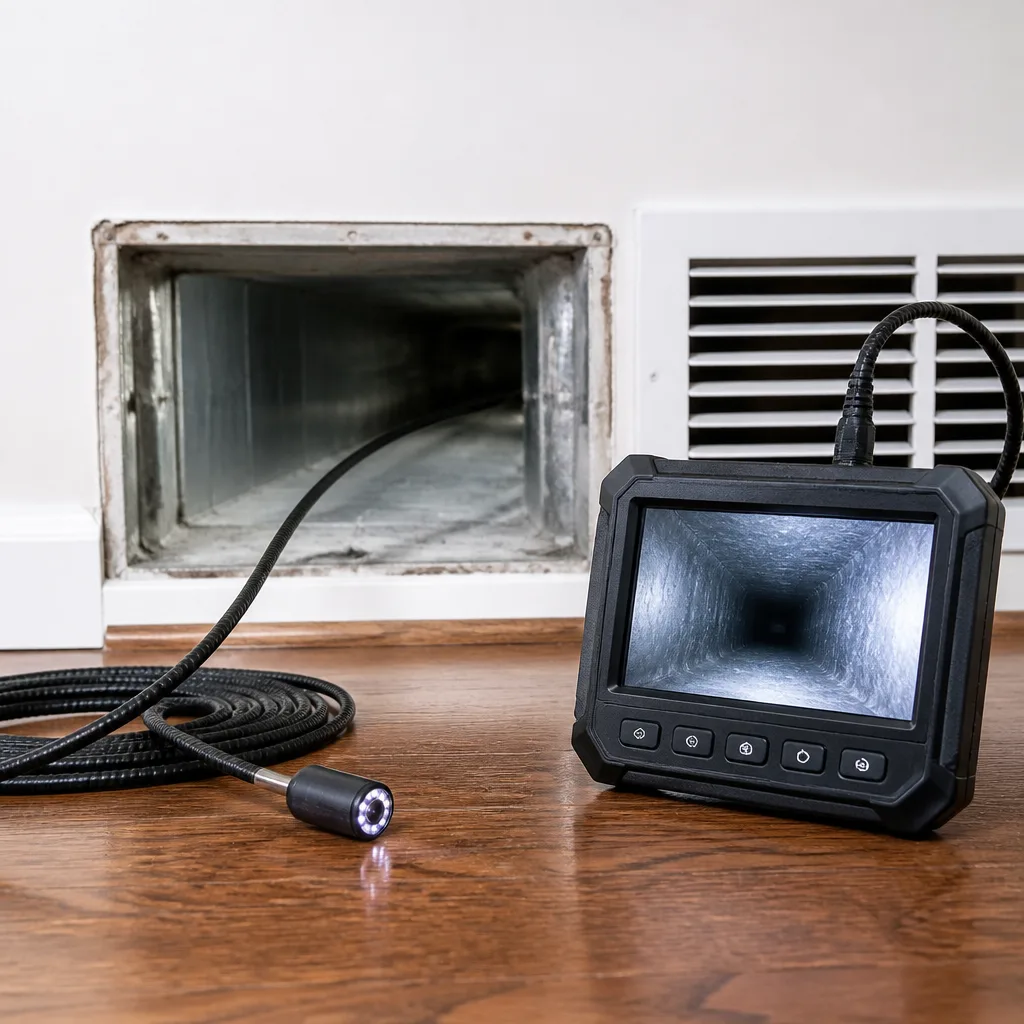 Camera inspection
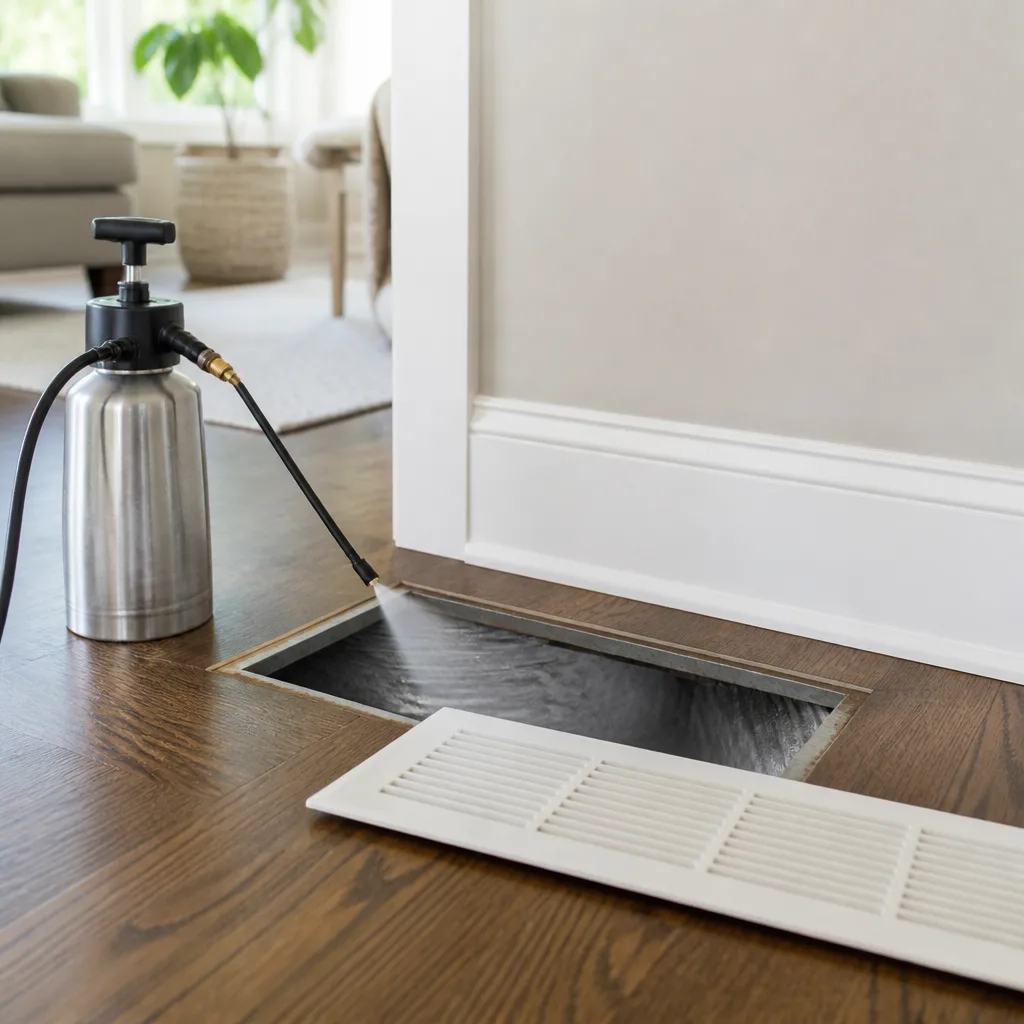 Sanitizing & deodorizing
Whole-system duct and dryer vent check with before-and-after photos - you see exactly what came out of your vents
That "$99 whole-house special" is a bait ad - the real number appears once they are in your hallway, or the "clean" is a shop-vac at the register. We photograph the inside of your ducts before and after instead.
How to Hire an Air Duct Cleaning Contractor in Preston Hollow: A Step-by-Step Guide
Most homeowners shop for duct cleaning the way they shop for a tire rotation: find the lowest quote, book it, move on. That approach fails here, and it fails badly. The EPA has warned for years that improper duct cleaning can release more contaminants into a home than it removes, and the gap between a real professional job and a dressed-up shop-vac visit comes down to equipment, process, and whether the contractor will prove both before anyone signs. In this guide, we walk through the exact vetting questions that separate a system-grade contractor from a volume operation, including the five equipment questions to ask, how to read a line-item quote, and the red flags we see in the Preston Hollow market.
Quick Answer
To hire an air duct cleaning contractor in Preston Hollow, ask five equipment questions before signing: vacuum type, CFM rating, brush system, camera capability, and containment method. Then demand a written line-item quote and a pre-job walkthrough. A contractor who hesitates on any of those points is a price comparison, not a candidate.
Styles & brands we work with
- Whole-home duct cleaning
- Dryer vent cleaning
- Camera inspection
- Sanitizing & deodorizing
Table of Contents
- Why Preston Hollow Homes Need a Vetting Process, Not a Price List
- The Five Equipment Questions Every Homeowner Should Ask
- NADCA Membership Is a Baseline, Not a Guarantee
- How to Read a Duct Cleaning Quote Line by Line
- What a Pre-Job Walkthrough Should Include
- Red Flags Specific to the Preston Hollow Market
- Why Duct Repair and Sealing Belong in the Conversation
- Common Mistakes to Avoid
Why Preston Hollow Homes Need a Vetting Process, Not a Price List
Preston Hollow’s housing stock spans ranch homes from the 1950s through newer builds tucked behind mature oak canopies, and that range matters when you’re hiring a duct cleaner. Older homes often have original sheet-metal trunk lines with flexible branch runs added during decades of HVAC updates. Those systems leak, sag, and collect debris in ways a newer build simply doesn’t. The ductwork in a 1960s ranch off Strait Lane may have three generations of modifications layered on top of each other, and the contractor walking through that door needs to read the system, not just hook up a hose.
North Texas climate adds another wrinkle. Our cooling season runs long, which means the system pushes air through those ducts for months on end. Every gap in a return duct, every disconnected flex joint, pulls attic insulation fibers and outside particulate into the airstream. Cleaning a leaky system without sealing it is like mopping a floor with the faucet still running. That’s why a duct cleaning contractor in Preston Hollow has to do more than clean: they need to diagnose, and they need to be able to fix what they find.
So the question shifts. It’s no longer “who will do this cheapest?” It’s “who will show me the equipment, walk the system, and hand me a written scope that matches what’s actually in my attic?” That’s the vetting process this guide is built around.
The Five Equipment Questions Every Homeowner Should Ask
A professional duct cleaning job hinges on five pieces of information, and any contractor worth hiring can answer them without hesitation. Ask for specifics, not adjectives. “We use professional equipment” is not an answer. “We run a Rotobrush system with a HEPA-filtered vacuum unit rated at a set CFM and brush heads sized for your duct material” is.
- What type of vacuum unit do you use? The answer should name a specific machine class. Truck-mounted or portable HEPA-filtered units built for duct work are the standard. A shop-vac with a long hose is not.
- What is the CFM rating? CFM, or cubic feet per minute, is the airflow the vacuum pulls. Higher CFM keeps debris suspended and moving toward the collector instead of settling back into the ducts. If the contractor can’t quote a rating, they don’t know their own equipment.
- What brush system do you run? Rotobrush and Nikro both make whip-and-brush systems designed for different duct materials: metal, flex, and duct board. A single brush for every surface tells you the contractor isn’t matching tools to the system.
- Do you have camera capability? A push camera lets the contractor show you what’s inside the ducts before and after. It also lets them spot disconnected joints or collapsed flex runs that a vacuum alone will never fix.
- How do you contain the work area? This is the question most homeowners forget, and it’s the one that separates a real professional from a hobbyist. Abatement Technologies air filtration equipment, the same standard used in professional remediation environments, keeps dust from migrating into the living space during the job.
When we quote an air duct cleaning job in Preston Hollow, those five answers come before the price. The estimate should never arrive first.
NADCA Membership Is a Baseline, Not a Guarantee
The National Air Duct Cleaners Association, or NADCA, sets the industry’s assessment, cleaning, and restoration standard. Membership means a contractor has agreed to follow that standard and has access to training and certification. It is a baseline credential, and you should check it. But membership alone doesn’t tell you whether the crew on your job is running commercial-grade equipment or a consumer vacuum, and it doesn’t tell you whether the contractor will stand behind the work with documentation.
Think of NADCA the way you’d think of a driver’s license: necessary, not sufficient. What to look for beyond the certification:
- Proof of insurance. Ask for a certificate of insurance before work starts, not after.
- Documentation habits. Before-and-after photos, a written scope, and a clean invoice are signs of a process-driven contractor.
- Full-system scope. A contractor who cleans supply ducts but skips returns, the air handler, and the dryer vent is only touching part of the system.
- Repair capability. Duct cleaning exposes leaks, disconnected joints, and damaged runs. Ask whether the contractor can fix them or will hand you a to-do list.
- Sanitizing products. Guardsman-grade cleaning and protection products are used in professional sanitizing treatments. Ask what’s applied and why.
Our technicians have up to 12 years of experience in residential duct and HVAC work, and that experience is what lets us match the process to the Preston Hollow home in front of us rather than running the same script on every job.
How to Read a Duct Cleaning Quote Line by Line
A line-item quote tells you what the contractor will actually do. A flat-rate quote tells you what the contractor charges. Those are not the same thing, and the difference is a strong signal of whether you’re hiring a process-driven company or a volume operation.
Here’s how to compare the two side by side:
- Line-item quote: separate charges for supply ducts, return ducts, the air handler, sanitizing, and any repair work. You can see the scope, ask questions about each line, and add or remove services based on what the system actually needs.
- Flat-rate quote: one number, no breakdown, often delivered before anyone has looked at your system. You can’t compare it to anything, and you can’t tell what’s included until the crew is on site.
- Per-vent pricing: a red flag in this market. A quote built on a per-vent number encourages the contractor to rush each vent, and it doesn’t account for the trunk line, plenum, or returns.
- Equipment and containment line items: the rare quote that lists the vacuum class and containment method is usually the one written by a contractor who knows their equipment.
Ask the contractor to walk you through every line. If a number is vague, ask what it covers. If the answer is “it’s all included,” ask what “all” means. A reputable contractor in Preston Hollow will walk the scope with you sentence by sentence because they’re proud of what’s included, not hiding it.
What a Pre-Job Walkthrough Should Include
No contractor should clean a home they haven’t walked. The pre-job walkthrough is where the contractor reads the system, matches the process to the home, and gives you a scope in writing. A contractor who refuses one, or who quotes over the phone without ever asking about system size, is disqualified.
Here’s what the walkthrough should cover:
- Air handler and equipment location. The contractor should open the air handler and look at the filter, coil, and blower. That’s the starting point for any honest scope.
- Number of zones and system size. A single-zone ranch and a two-zone 1990s build need different equipment and different time budgets.
- Duct material and layout. Metal, flex, and duct board all run through the home, and each needs different brush heads and air pressure. The contractor should identify what’s in your attic before quoting.
- Return air path. Returns pull more debris than supplies in most homes. The walkthrough should trace them fully.
- Containment plan. Where will the vacuum sit, where will the filtration unit be staged, and how will doorways be protected? A contractor who can’t answer that has never thought about it.
- Access points. The contractor should identify where cuts will be made, and should tell you how they’ll be sealed afterward.
- Dryer vent. A full-system walkthrough in Preston Hollow includes the dryer vent, because lint buildup is a separate fire risk and it deserves its own line in the scope.
When we do a walkthrough, we treat it as a diagnostic visit. We’re looking for leaks, disconnected joints, and duct runs that need repair or sealing. The written estimate you get after a walkthrough is worth more than ten quotes you got over the phone.
Red Flags Specific to the Preston Hollow Market
The Preston Hollow market is dense with HVAC and air quality companies, and not all of them are running the equipment their marketing claims. Some of the red flags are universal; others show up here specifically because of the housing stock and the affluent, high-call-volume neighborhoods like Preston Hollow proper, Devonshire, and Greenway Parks.
- A phone quote without questions. If the contractor quotes a price without asking about system size, number of zones, and duct material, the price is a placeholder, not an estimate.
- The “we’ll be there in 30 minutes” pitch. Duct cleaning is scheduled work. A contractor promising instant arrival is usually a lead-generation service subcontracting to whoever’s free.
- Per-vent teaser pricing. “$X per vent” quotes are a marketing number. The full-system job costs more, and the upcharge arrives once the crew is inside.
- No containment plan. Any contractor who doesn’t mention containment is planning to blow dust into the home. That’s an equipment gap and a process gap at once.
- No repair capability. A contractor who cleans but can’t repair or seal isn’t a full-system provider. You’ll end up hiring a second company to fix what the cleaner exposed.
- Marketing claims without brand specifics. If a contractor talks about “professional equipment” without naming a machine or a system, ask. Rotobrush, Nikro, Abatement Technologies, and Aprilaire are all recognizable names in this trade. A contractor who can’t name any of them is likely working with something else.
Why Duct Repair and Sealing Belong in the Conversation
Cleaning without sealing is a partial fix. Duct repair and sealing should be part of every comprehensive duct service, especially in Preston Hollow, where a lot of the housing stock has aging sheet-metal runs and flexible branch ducts that were added over multiple renovations.
Here’s the practical reason. A return duct with a disconnected flex joint pulls attic air into the home. That attic air carries fiberglass insulation fibers, dust, and whatever else has settled up there. Cleaning the ducts without sealing that joint means the system re-contaminates within weeks. Cleaning and sealing the joint means the ducts stay clean. That’s why we pair both services: we clean it, seal it, and sanitize it, because leaving one out is a disservice to the homeowner.
The same logic applies to the air handler and the HVAC system as a whole. Dust that settles on the blower and evaporator coil reduces efficiency and gets pushed back into the ducts. Pairing HVAC cleaning with duct cleaning keeps the whole system aligned. And the dryer vent deserves its own line in the scope: dryer vent cleaning removes lint buildup that no duct cleaning session will touch.
We do the work with Guardsman-grade cleaning and protection products during sanitizing, and we can also work with Honeywell and Aprilaire indoor air quality products when a homeowner wants ongoing filtration or humidification after the cleaning is done. That bridges one-time cleaning and long-term air quality improvements, and it gives the homeowner a single provider for the whole system.
Common Mistakes to Avoid
- Hiring on price alone. The lowest quote is usually the one with the smallest scope. Ask what’s excluded before you compare numbers.
- Skipping the return ducts. Returns pull more debris than supplies. A quote that only lists supply vents is only cleaning half the system.
- Not asking about equipment. If you don’t ask what vacuum and brush system the contractor uses, you’ll find out when they arrive with a shop-vac and a hose.
- Accepting a phone quote. In a Preston Hollow market this busy, a phone quote is a marketing number. Demand a walkthrough and a written estimate.
- Leaving repair out of the scope. Cleaning a leaky system without repairing the leaks means re-contamination within a season, especially with our long cooling season.
- Forgetting the dryer vent. Lint buildup in the dryer vent is a separate risk from duct contamination, and it needs its own cleaning.
- Not asking for before-and-after photos. A contractor who can’t document the work can’t prove it was done. Ask for photos of your own ducts, not stock images.
See the difference
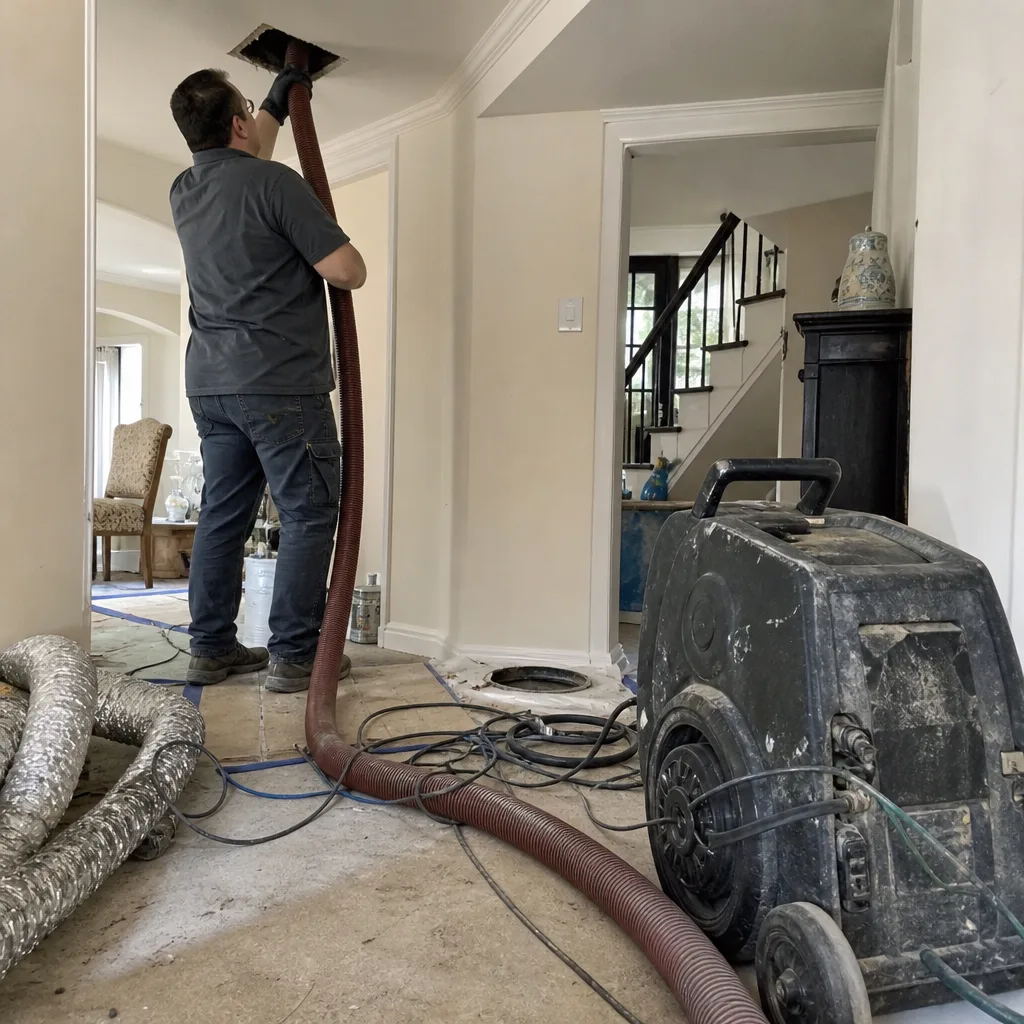 Before
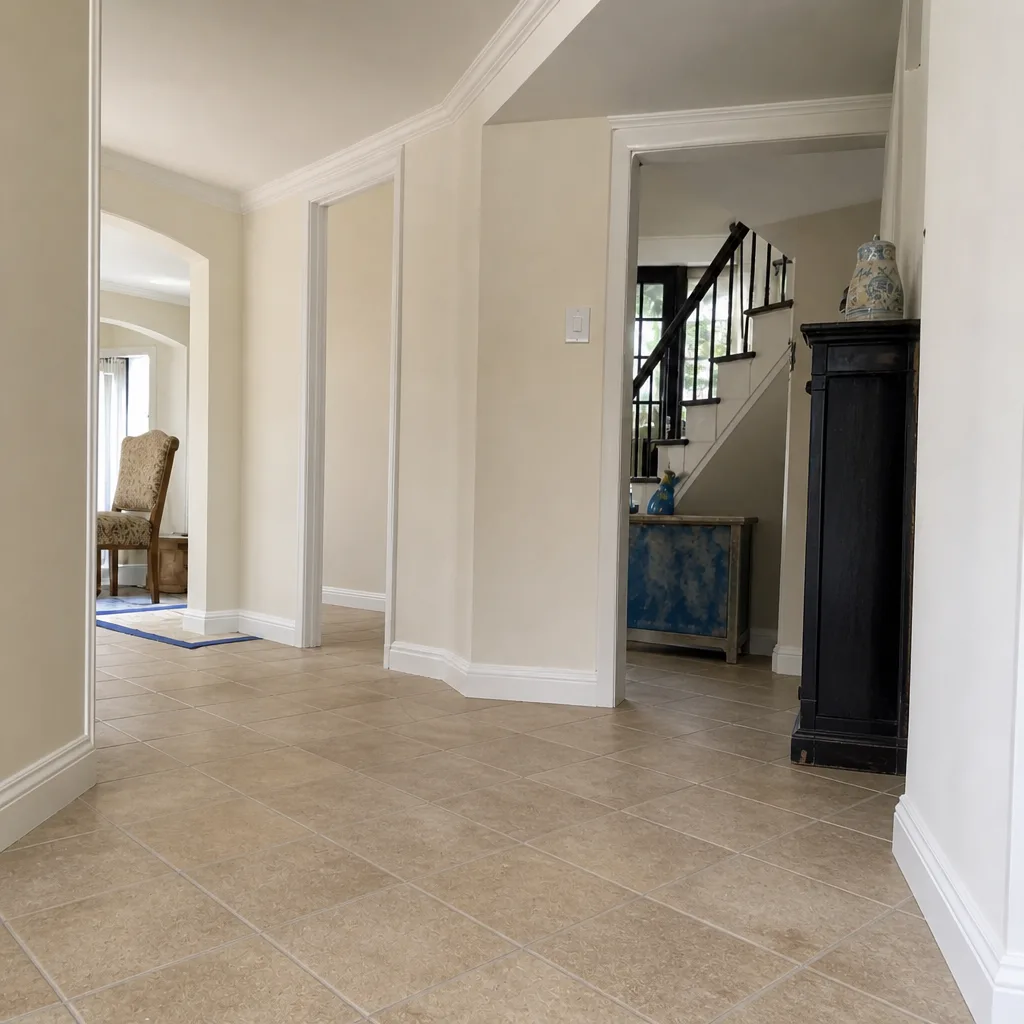 After
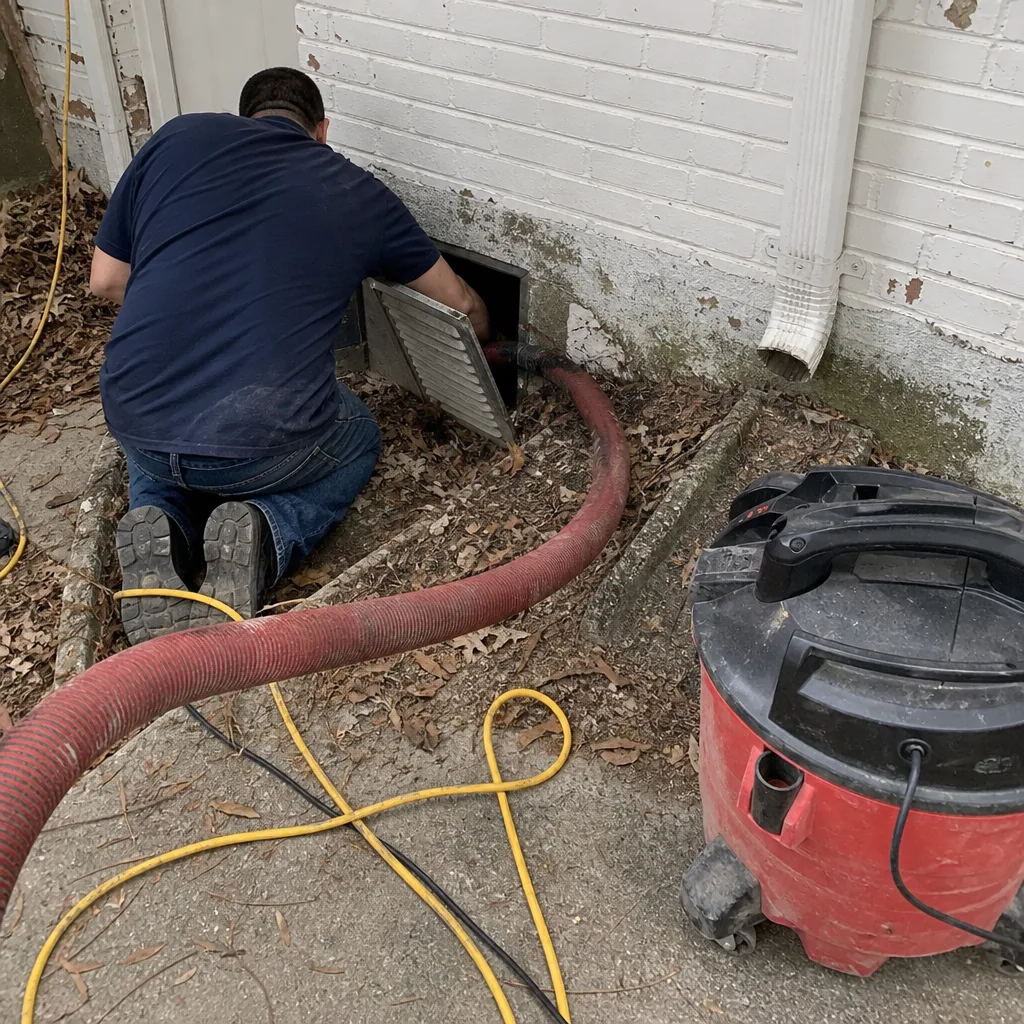 Before
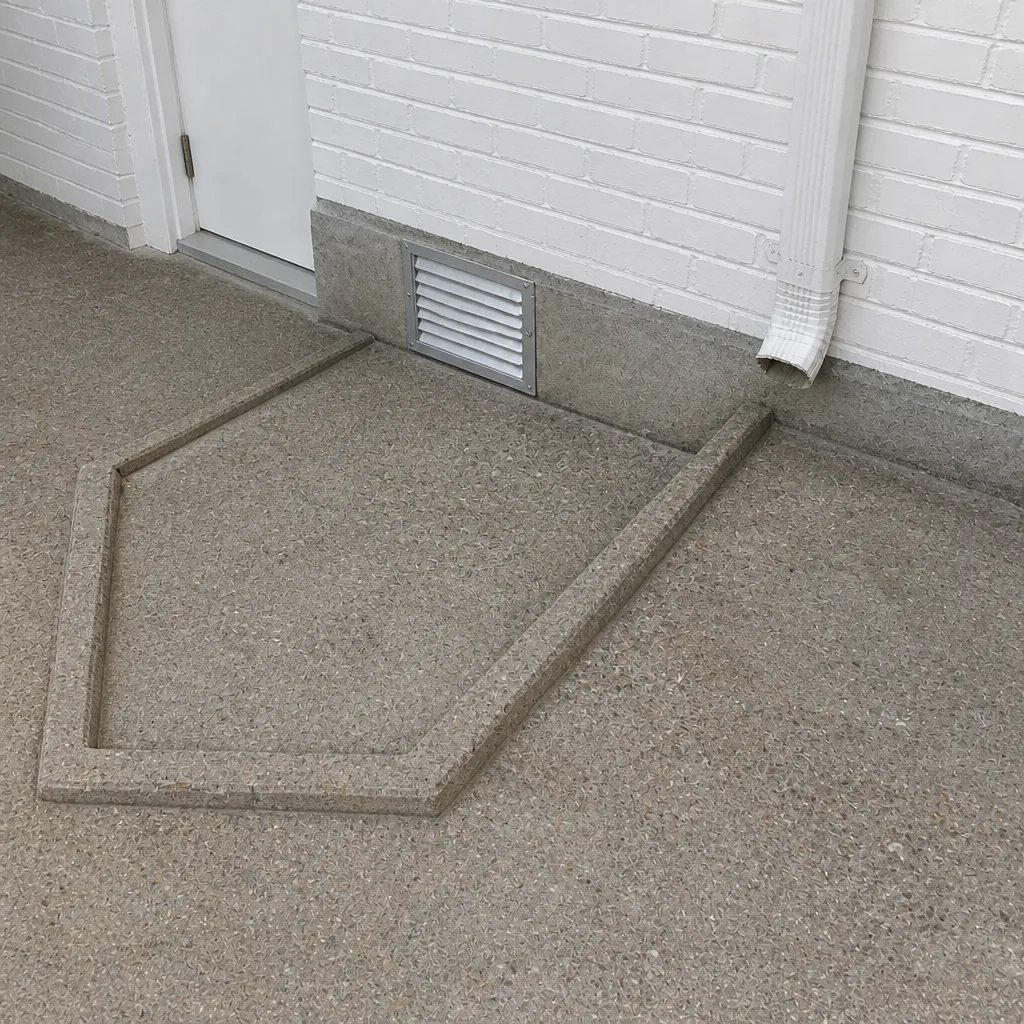 After
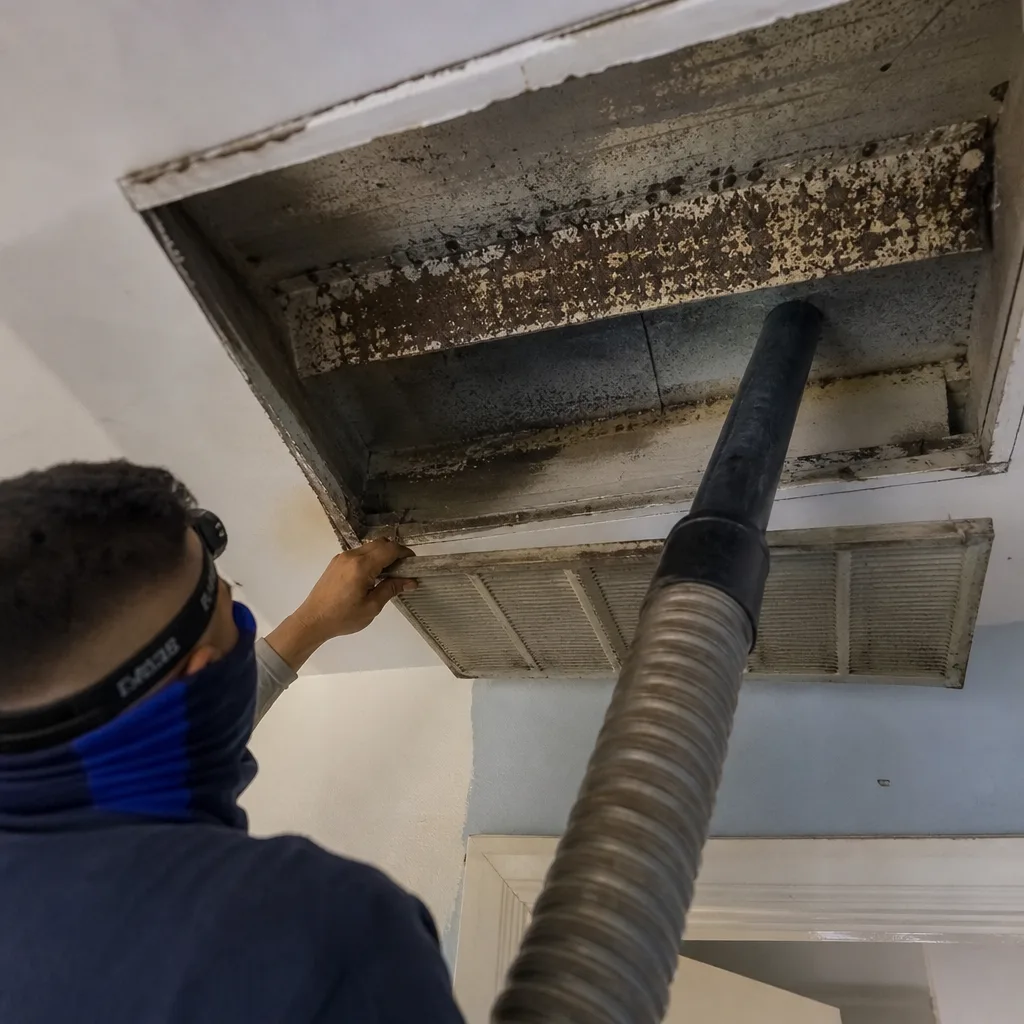 Before
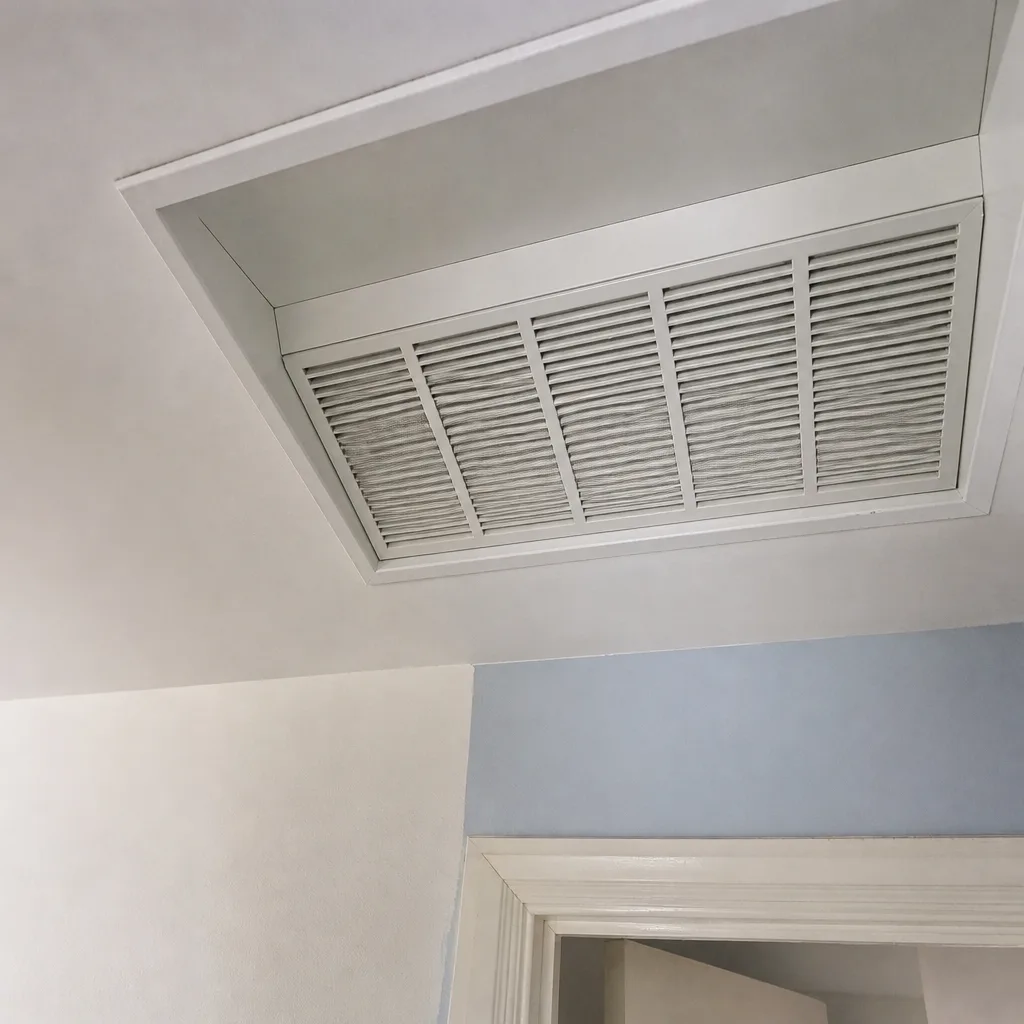 After
When to Call a Professional
Not every dusty HVAC system needs professional cleaning, but several clear signs do. If you notice visible dust puffing from supply registers when the system kicks on, that’s a signal worth investigating. If anyone in the home has persistent allergy symptoms that ease when they leave the house, the ductwork is worth checking. If the home has never had the ducts cleaned, or if a recent renovation pushed drywall dust through the system, a full-system cleaning belongs on the list. Visible mold on or near the air handler, a musty smell that doesn’t clear, or a dryer that takes two cycles to dry a load all point to a professional visit. Air Duct Cleaning Preston Hollow offers free estimates in Preston Hollow: call (833) 513-8108. We answer 24/7. Fast dispatch from 7am to 7pm, Sunday through Friday.
Frequently Asked Questions
A full residential air duct cleaning in Preston Hollow typically runs several hundred dollars for a whole-home system, with the exact price depending on system size, number of zones, duct material, and whether repairs or sanitizing are included. Per-vent teaser pricing is not a real quote. Call (833) 513-8108 for an exact quote – estimates are free, and the written estimate sets the final price.
Cheap quotes usually reflect a smaller scope and lighter equipment: supply vents only, no returns, no containment, and a residential vacuum rather than a commercial-grade unit. The low number becomes a bigger invoice once the crew is on site and the upcharges are added. Ask what’s excluded before you compare prices, and ask which vacuum system the contractor uses. Call (833) 513-8108 for a line-item quote.
Ask for before-and-after photos of your own ducts, not stock images, and ask for a written scope you can compare to the invoice. A contractor running a push camera will show you the inside of the ducts before cleaning and after. If a contractor can’t produce that documentation, the work can’t be verified. Call (833) 513-8108 to schedule a walkthrough.
Most homes don’t need duct cleaning on a fixed schedule. The right interval depends on the home: pets, smoking, recent renovations, allergy sufferers, and visible mold all shorten the cycle. As a starting point, most homes can go several years between cleanings, but a home with heavy shedding pets or recent construction may need it sooner. Call (833) 513-8108 for a free evaluation.
No. NADCA membership is a baseline credential that indicates the contractor follows an industry standard, but it doesn’t confirm the equipment on your job, the crew’s training, or the company’s documentation habits. Ask the five equipment questions and review a line-item quote before hiring.
A professional crew should bring a commercial-grade vacuum unit (Rotobrush or Nikro systems are industry standards), a matched brush system for your duct material, a push camera for documentation, and containment equipment (Abatement Technologies units are the professional remediation standard). If the contractor arrives without those, the job won’t be what the quote promised.
The Bottom Line
Hiring an air duct cleaning contractor in Preston Hollow is a vetting process, not a price comparison. Ask the five equipment questions. Demand a pre-job walkthrough and a line-item quote. Confirm the contractor can repair and seal what they find, not just clean around it. Check NADCA membership, but don’t stop there. A contractor who can name their equipment, walk your system, and document the before-and-after is worth more than the cheapest quote in the neighborhood, and the Preston Hollow homes we serve deserve that standard every time.
Call (833) 513-8108. We answer 24/7. Fast dispatch from 7am to 7pm, Sunday through Friday.
Written by the team at Air Duct Cleaning Preston Hollow.