
Last updated November 25, 2026
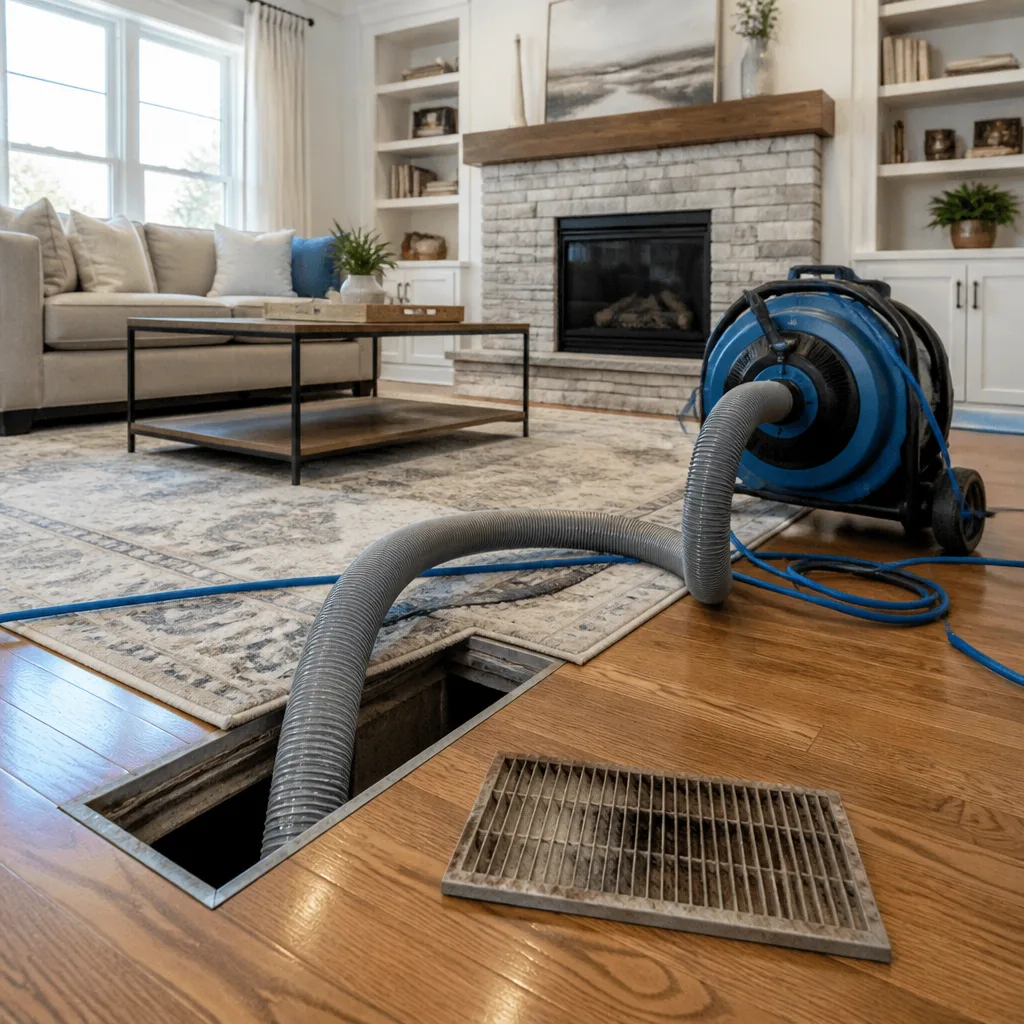 Whole-home duct cleaning
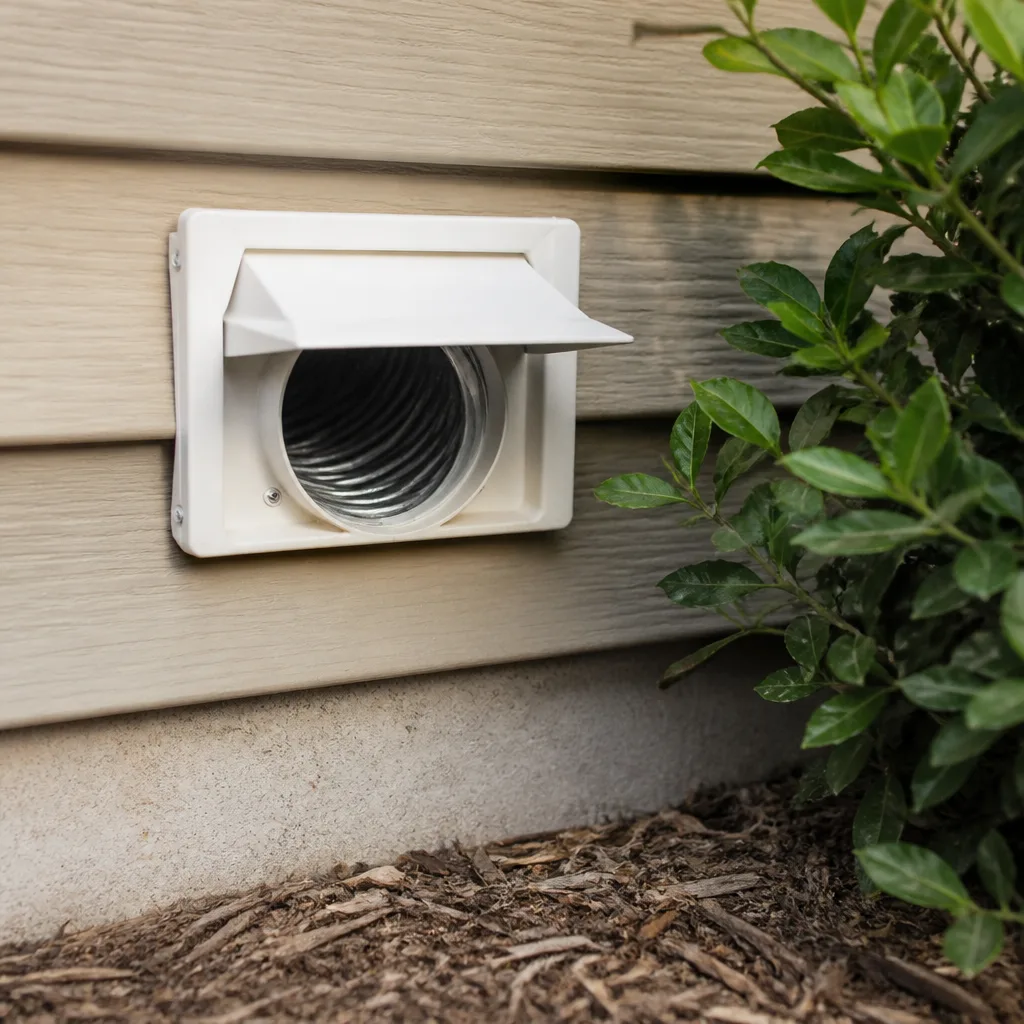 Dryer vent cleaning
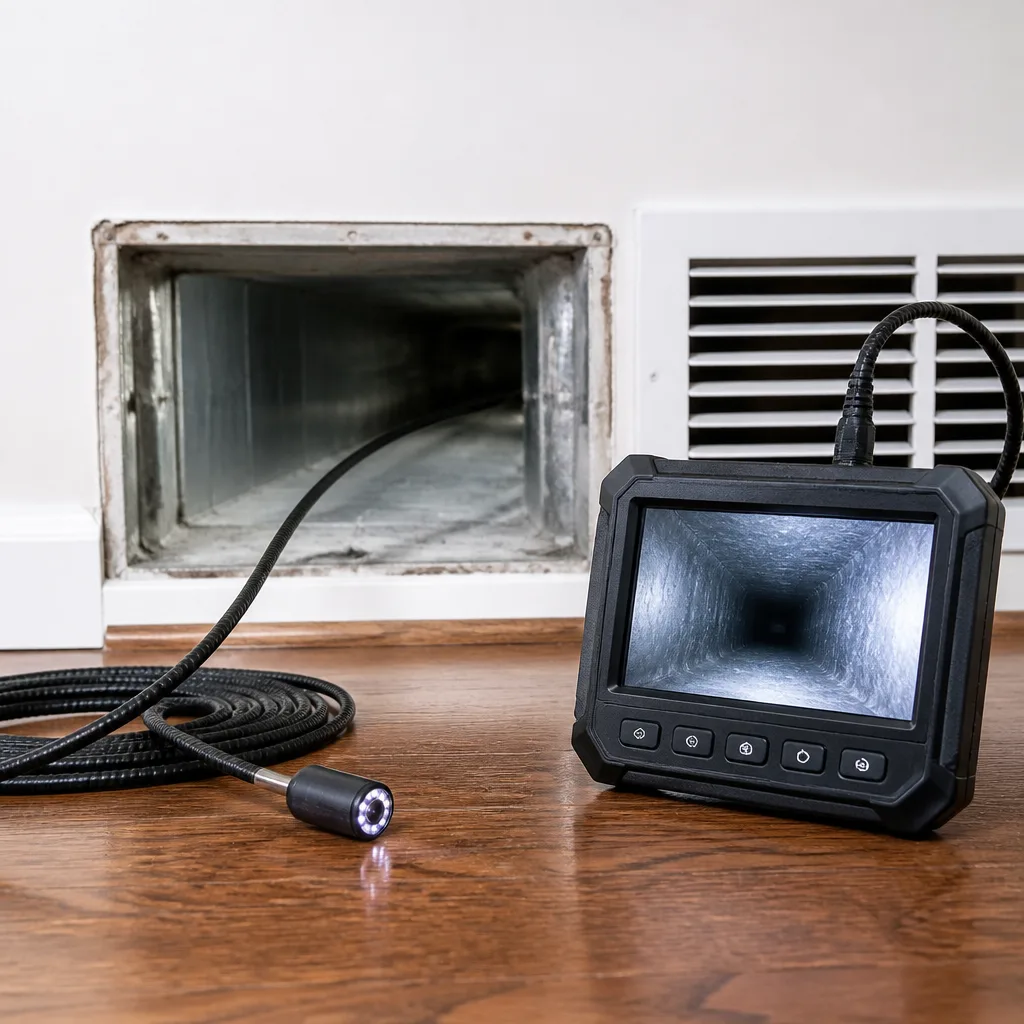 Camera inspection
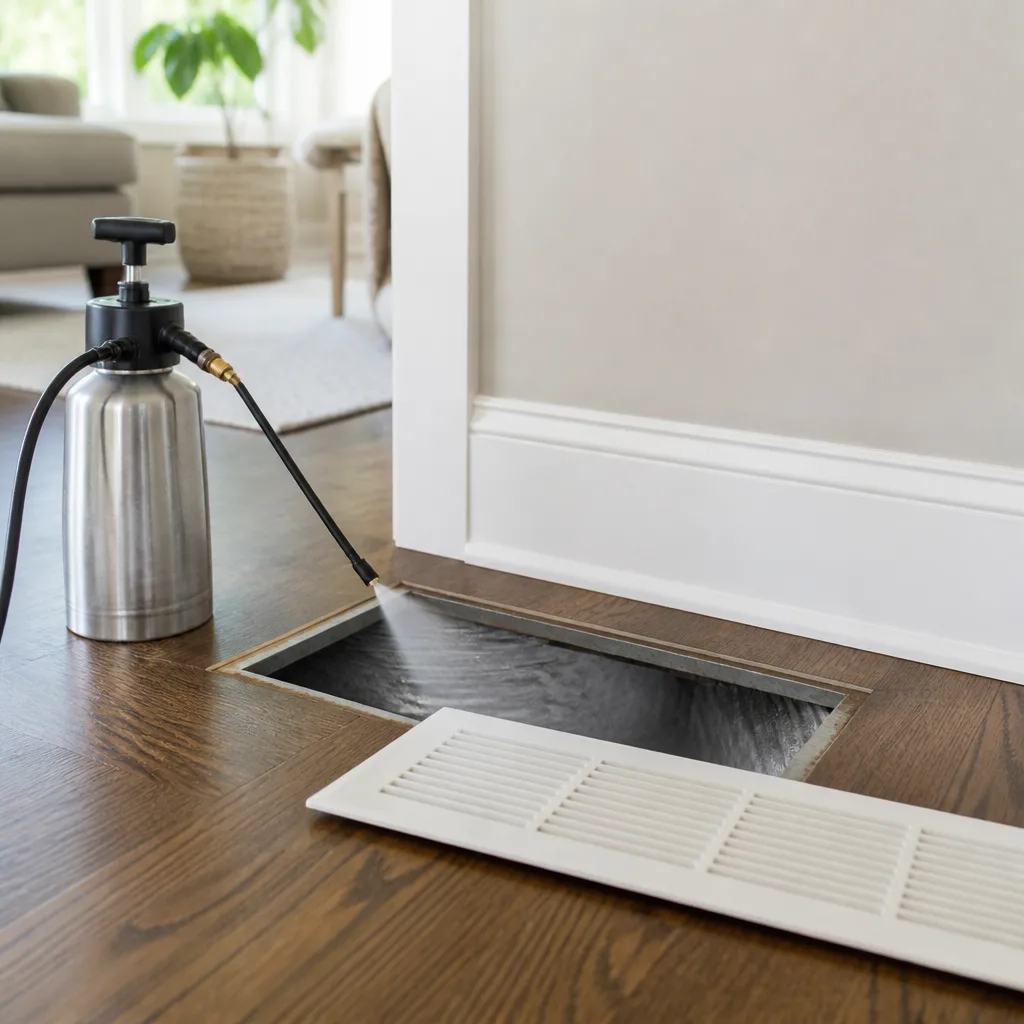 Sanitizing & deodorizing
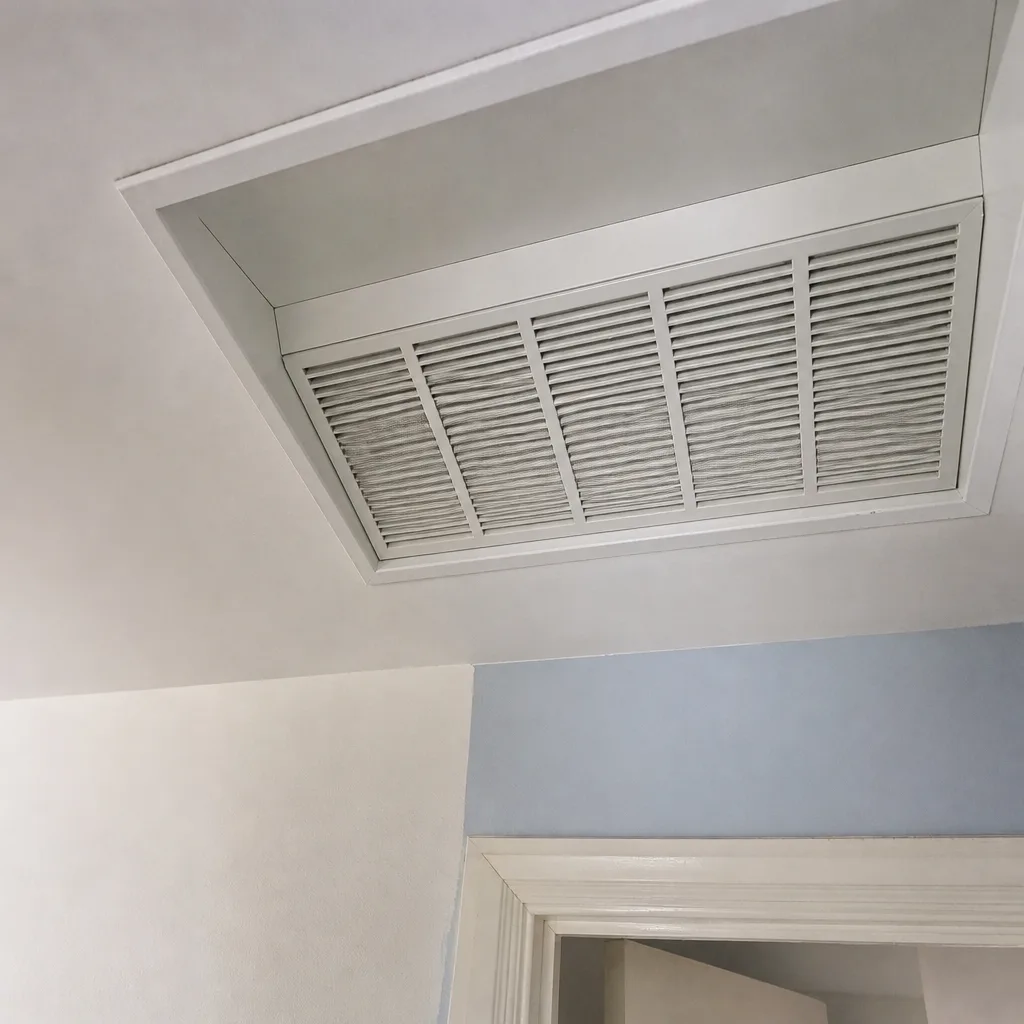
Whole-system duct and dryer vent check with before-and-after photos - you see exactly what came out of your vents
That "$99 whole-house special" is a bait ad - the real number appears once they are in your hallway, or the "clean" is a shop-vac at the register. We photograph the inside of your ducts before and after instead.
Air Duct Cleaning Emergency Preparedness Guide for Preston Hollow Homes
Most homeowners think of duct cleaning as maintenance you get to when the house feels dusty. Here’s the part they get wrong: the ducts are the one part of your HVAC system you cannot see, so they’re also the part that hides the problem longest. By the time a Preston Hollow house feels stuffy or smells odd when the air kicks on, contamination has usually been building through several Texas summers. This guide is about preparation, not panic: how to know what your ducts are doing, what a real cleaning involves, how to plan ahead of a system failure or a renovation, and how to spot the bait-and-switch quotes that have given this trade a bad name. We’ll walk through it from the perspective of a Preston Hollow business that works on these systems.
Quick Answer
Emergency preparedness for your air ducts means three things: knowing the warning signs of a contaminated or failing system before it becomes a health-and-comfort problem, having a documented cleaning and repair done on professional-grade equipment so you’re not scrambling when something fails, and keeping a plan for the moments that do force action, like a remodel, a water intrusion, or an HVAC replacement. For most homes in Preston Hollow, that means a scheduled whole-system cleaning and sealing every few years rather than an urgent call. Preparation beats a scramble.
Styles & brands we work with
- Whole-home duct cleaning
- Dryer vent cleaning
- Camera inspection
- Sanitizing & deodorizing
Table of Contents
- Why Ducts Deserve a Preparedness Plan
- Warning Signs Your Ducts Need Attention Now
- What a Real Whole-System Cleaning Involves
- The Events That Trigger an Urgent Duct Cleaning
- Preparing Your Home Before a Cleaning
- Equipment That Sets a Real Cleaning Apart
- Repair and Sealing: The Step Most Cleaners Skip
- What It Costs and How to Spot a Cheap Quote
Why Ducts Deserve a Preparedness Plan
You insure the roof. You service the car. The ducts sit in the middle of both, carrying every cubic foot of air you breathe for hours a day, and they rarely get a thought until something smells wrong. In a Preston Hollow home, that gap matters. The houses here are established properties, and much of the ductwork in them was installed decades ago with materials and methods that age in predictable ways. Rigid metal develops loose joints and gaps. Flex duct can sag, tear, or come loose at the boot. Insulation on the outside of the duct can break down.
The point of preparation isn’t fear. It’s that ductwork is a system, and systems fail slowly, then all at once. A pinhole leak in a return duct doesn’t announce itself; it quietly pulls attic air, dust, and whatever else is up there into your supply. A decades-old flex run that’s dropped off its collar doesn’t stop the house from heating and cooling; it just sends a chunk of your paid-for air into the attic. Both problems punish you on the energy bill and the air quality long before they show up as an obvious failure.
Emergency preparedness, in practical terms, means three habits:
- You know how to read the early signs, so you’re not guessing when something changes.
- You have the cleaning and repair done on professional equipment, once, properly, so you start from a clean baseline.
- You know the events that will force a cleaning, so you can schedule around them instead of reacting mid-renovation.
That’s the frame for the rest of this guide. Everything below builds on it.
Warning Signs Your Ducts Need Attention Now
The early signs are quiet, and the late signs are loud. What you want is to catch the system in the quiet stage, while a scheduled cleaning and inspection is still a routine appointment and not a scramble. Here’s how the symptoms present in a Texas home, and what each one usually tells us.
Start with what you notice in the air. On a still day, with the system off, walk into a room and look for how quickly dust settles on furniture near a supply register. A thin film that’s back within a day or two points to dust being pushed out of the ducts rather than filtered out of the air. Now turn the system on and smell. A musty or “basement” smell out of a supply grille is the single clearest signal of moisture and microbial activity somewhere in the system, and it’s the one that should move a cleaning from “someday” to “soon.”
Then listen. Whistling or a sharper-than-usual rush of air at a register often means a restriction upstream, a collapsed or crushed section of duct, or a damper stuck shut. Rattling or popping when the blower starts and stops is the sound of loose joints and undersized duct flexing under pressure.
Finally, watch the system’s behavior. Rising energy bills with no other explanation. Rooms that never get comfortable while others are fine. The blower running longer than it used to. None of these prove contaminated ducts, but they’re all consistent with a venting system that’s leaking or blocked.
Here’s the short list to check against your own house:
- Dust returns to surfaces within a day of cleaning.
- A musty smell at supply registers when the system runs.
- Visible dust or debris around the register covers or return grilles.
- Whistling, rattling, or popping at startup.
- Uneven room temperatures with no obvious cause.
- Bills climbing without a change in habits or equipment.
- A recent remodel, water event, or pest problem you haven’t fully resolved.
Two or more of these together is your cue to book an inspection-first cleaning. One alone is a reason to watch.
What a Real Whole-System Cleaning Involves
A real cleaning is not a quick pass over the registers with a vacuum hose. That’s the version that gave the trade its reputation problem. A proper job treats the ducts as a system, from the return grille all the way to the supply boot, and it addresses every airflow point in your home. Here’s the sequence a professional cleaning follows.
- Inspection and assessment first. Before any tool goes into the duct, we look at the system layout, check for damage, and identify the return and supply runs, the boots, and the plenums. This is where we decide whether the job is a cleaning, a repair, or both.
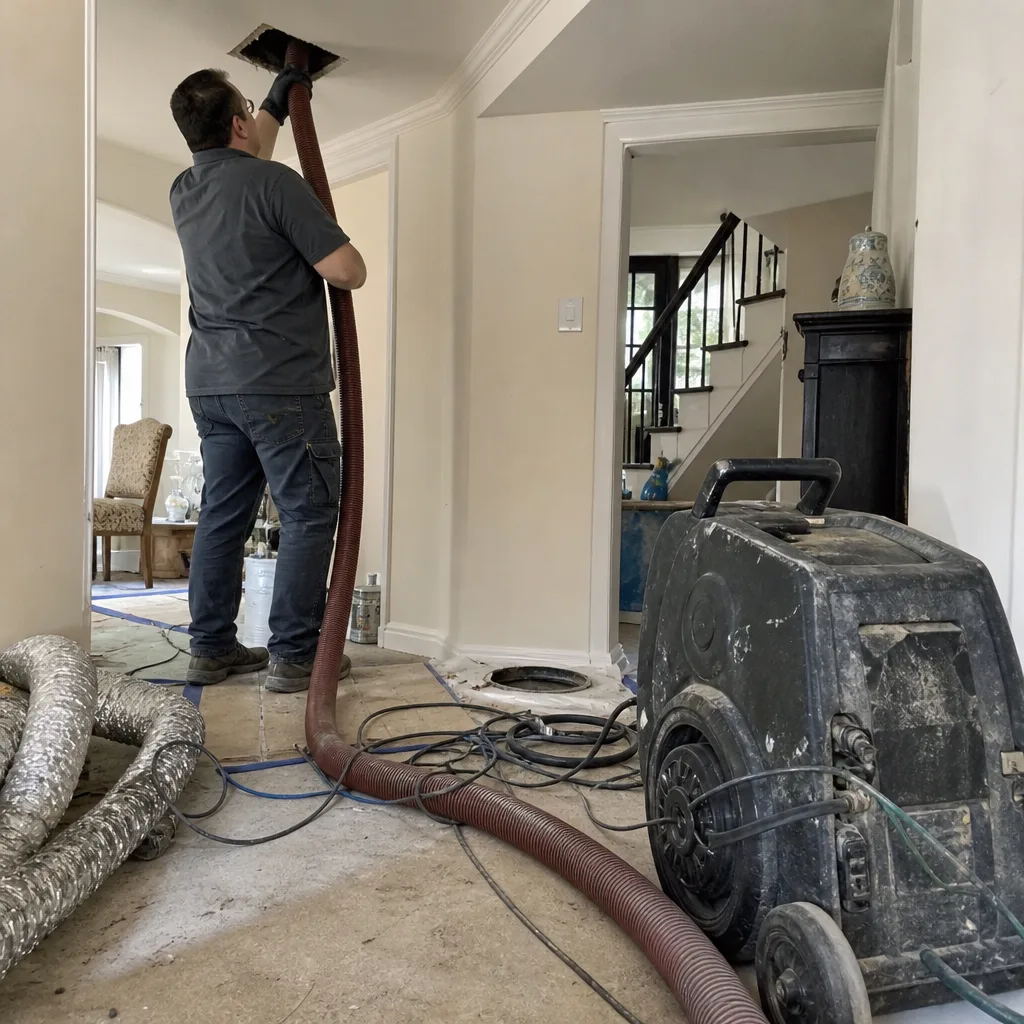
- Containment. The machine connects to the system and creates negative pressure, so everything loosened inside the duct travels to the collection equipment instead of into your living room. This is where the Abatement Technologies filtration equipment earns its place: the standard used in professional remediation environments is there to keep contaminants out of the air you’re standing in.
- Mechanical cleaning of every run. Rotobrush and Nikro systems drive rotary brushes and whips through the duct to scrub contamination off the walls rather than just skim the surface. Every supply and return run, the plenums, and the boots get attention, with resealable access points cut where the system doesn’t already provide one.
- Sanitizing where it’s warranted. Cleaning addresses the deposit. Sanitizing, using Guardsman-grade products, addresses what’s left behind after a moisture event or microbial problem. Not every job needs it; the inspection tells us.
- Repair and sealing of what we find. Loose joints, torn flex, disconnected runs, and crushed sections get sealed or repaired. A cleaning that leaves the leaks in place is a job half done.
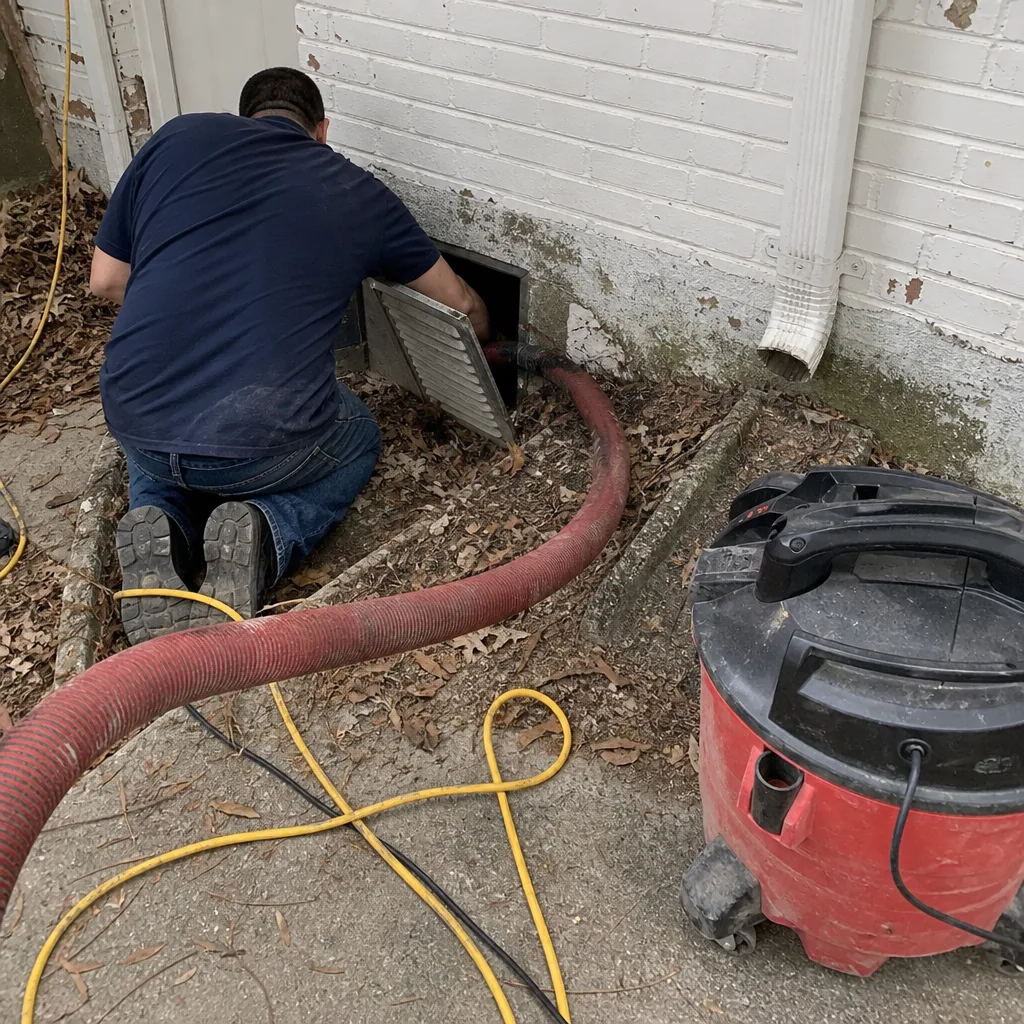
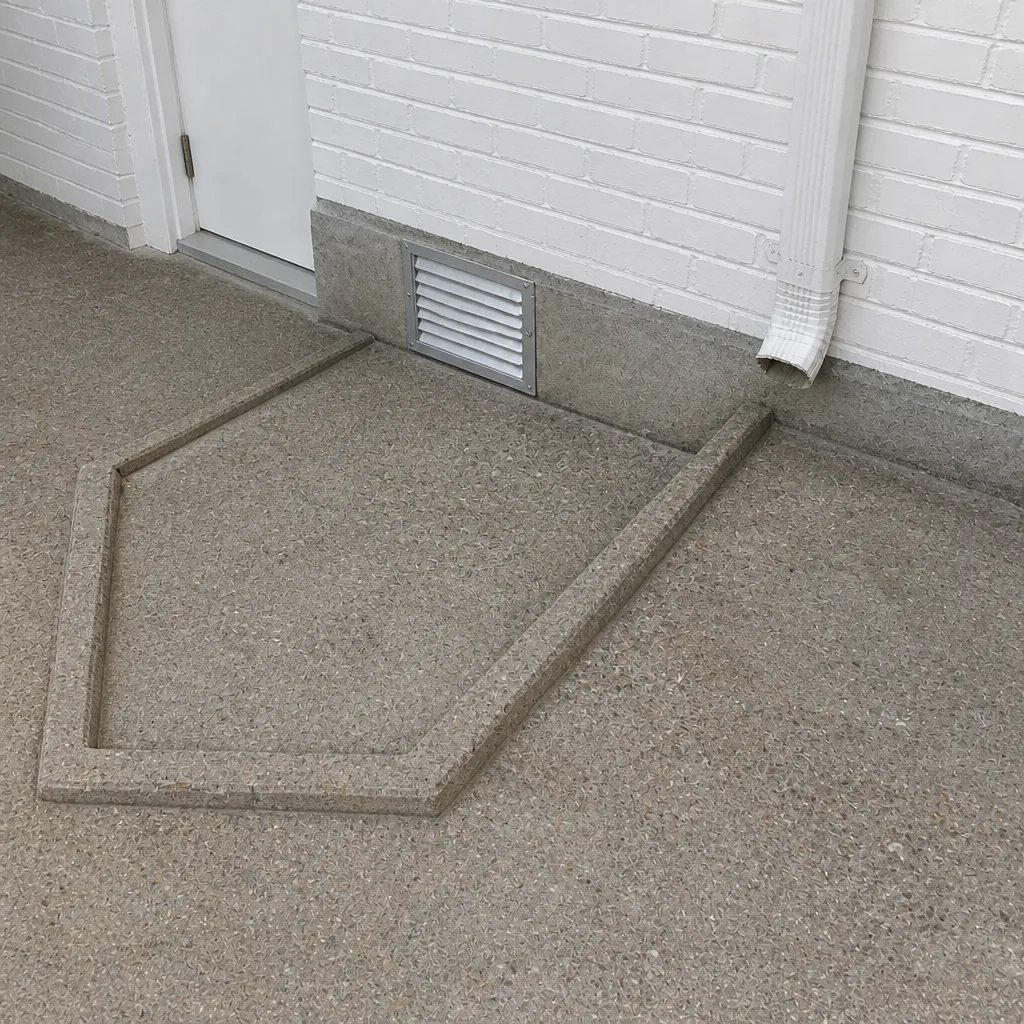
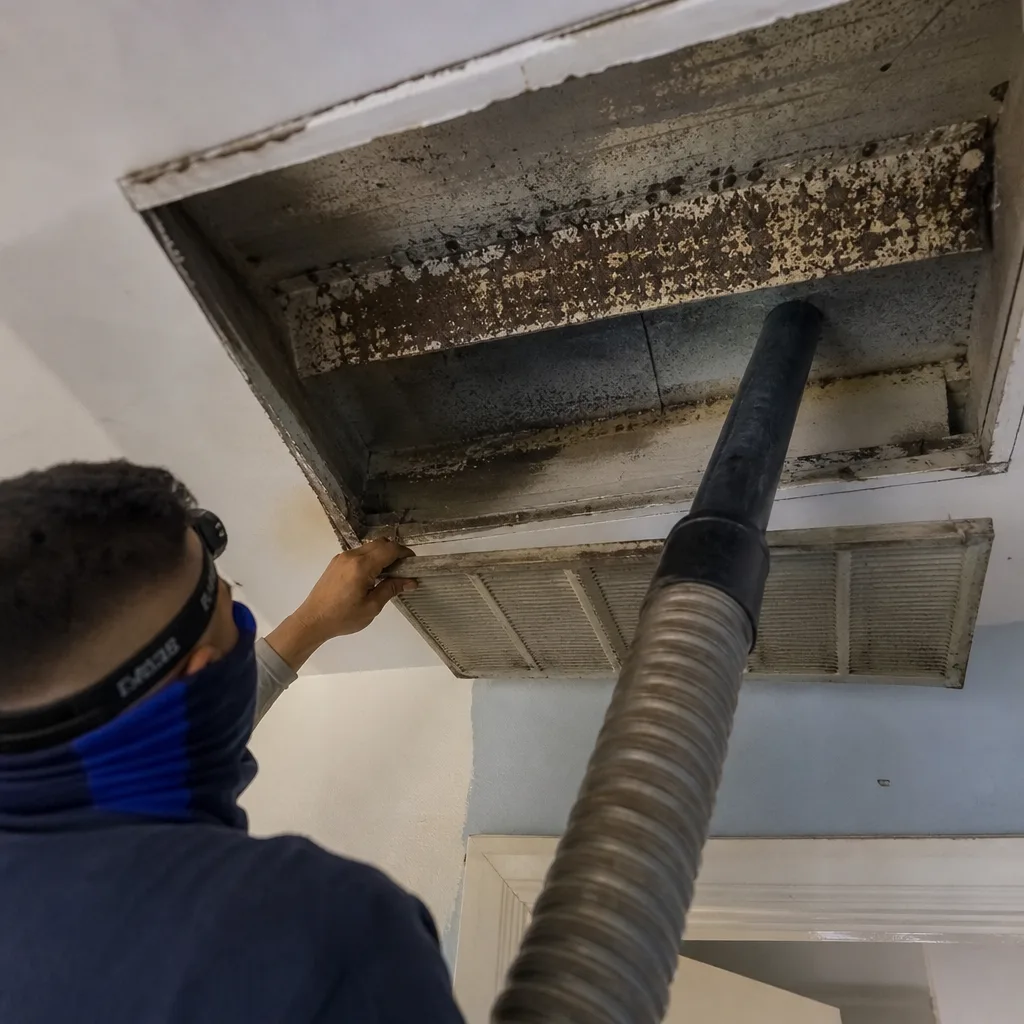
- Documentation. Before-and-after photos of your own ducts, so you can see exactly what came out. That’s the answer to the “how do I know it was actually done?” question.
The takeaway: cleaning without inspection is guesswork, and cleaning without sealing undoes itself. When you hire a professional, ask whether all six steps are part of the job. If a quote only covers the first three, that tells you something.
The Events That Trigger an Urgent Duct Cleaning
Most duct cleaning is scheduled. Some of it happens because a house made the decision for you. Knowing the triggers ahead of time lets you schedule the cleaning around the event rather than after it, which is almost always cheaper and cleaner to live through. Here are the ones that come up in Preston Hollow homes.
Renovation or remodel dust
Drywall dust, insulation fibers, and construction debris are fine enough to travel through a duct system and coat every surface of it. If you’re pulling out cabinets or reworking a room, have the ducts cleaned and resealed after the dusty work but before the new finishes go in. A cleaning scheduled afterward means living with the residue in the meantime.
Water intrusion
A slow plumbing leak, a roof event, or an AC condensate problem that reaches the duct system is a genuine trigger. Moisture plus the dust already in the ducts is the recipe for the musty smell. This is where sanitizing and the Abatement containment setup matter most, and where the job needs to happen promptly rather than “when we get to it.”
HVAC replacement
A new air handler or condenser pushing through old dirty ducts is a mismatch. The new equipment gets asked to move air through the same restricted, contaminated runs the old one struggled with, and the contamination gets a fresh push through the house. If you’re replacing the HVAC, plan the HVAC cleaning in the same project window.
Pest intrusion
Rodents and insects move through duct runs. It happens, especially in older crawl and attic spaces. The cleaning after the pest issue is resolved is not optional if you want to actually be rid of what they left behind.
Allergy or respiratory flare-ups in the household
If someone in the house is showing a pattern that worsens indoors, and the HVAC system is the suspect, a thorough cleaning plus a look at your filtration options is a reasonable first move. That second part is where products like Aprilaire filtration earn their place: cleaning gets you to a clean baseline, and the right filter setup helps hold it there.
The pattern to notice: none of these are true emergencies in the “call right now” sense, but they’re all cases where delay costs you. A renovation without a cleaning afterward means living through the fallout. A water event without prompt attention means the smell builds. Scheduling ahead is the preparedness part.
Preparing Your Home Before a Cleaning
You wouldn’t tile a floor without moving the furniture. A duct cleaning is less disruptive, but a few minutes of prep on your end makes the job go smoothly and means the technician spends their time on the ducts instead of moving boxes. Here’s the list we’d give any Preston Hollow homeowner before the appointment.
- Clear access to every return and supply grille. Move furniture, rugs, and anything on the wall that blocks the register covers. The technician needs to reach each register a couple of times.
- Clear the path to the HVAC air handler. That’s the machine the ducts connect to, usually in the attic, closet, or garage. Boxes stacked in front of it need a new home for the day.
- Note any spots you’re concerned about. A room that never heats right, a smell near a specific vent, a wall that got wet. Point them out at the start; they steer the inspection.
- Plan for the house to have some activity. Duct cleaning uses real equipment, so it’s not a quiet-service job. It’s not invasive, but it’s not invisible either. Have the conversation with the household ahead of time.
- Hold off on that deep clean. Cleaning the ducts stirs up a little surface dust even with containment in place. If you’re also having the house professionally cleaned, schedule the cleaning after, not before.
- Ask ahead about photos and documentation. Confirm the before-and-after photos will be shared with you. This is the whole point of a documented job.
None of this is complicated. The value is in doing it, so the cleaning starts on time and focuses on the ducts. It’s the same logic as closing up rooms before the AC tech arrives. Small prep, clean job.
Equipment That Sets a Real Cleaning Apart
The single biggest gap in this trade isn’t skill, it’s equipment. A discount cleaner arriving with a shop-vac and a handheld brush can make the register covers look clean. What’s in the duct behind the register is what matters, and that’s what the right machines go after. Here’s what makes the difference, and why we’ve built our service around professional-grade equipment rather than residential tools.
Rotobrush and Nikro cleaning systems. These are the platforms used by commercial contractors and restoration crews, not the residential commodity machines. The rotary brush whips on a flexible shaft scrub contamination off the duct walls and drive it into the collection stream. The difference versus a brush on a pole is the difference between scrubbing a surface and wiping it. When a system has years of deposit, only the mechanical action gets it clean.
Abatement Technologies filtration. This is the contaminant-containment equipment used in professional remediation work. In a residential cleaning, it means the air around the machine is being filtered while the work happens, so you’re not trading clean ducts for a dusty living room. In homes where someone is sensitive to dust or particulates, this is the piece that matters most.
Honeywell and Aprilaire IAQ products. A one-time cleaning gets you to a clean baseline. Keeping it there is a different problem, and this is where the indoor-air-quality product lines come in. Proper filtration, humidification, and ventilation control bridge the gap between “we cleaned it” and “it stays clean.”
Guardsman-grade sanitizing products. When a job calls for sanitizing after a moisture event or microbial issue, the product matters as much as the process. The sanitizer follows the cleaning because cleaning a contaminated surface and then sanitizing it is one job; doing one without the other is guessing.
The takeaway for the homeowner comparing quotes: ask what machines the cleaner brings. If the answer is a name you could buy at a hardware store, that’s the answer you needed.
Repair and Sealing: The Step Most Cleaners Skip
You can clean a duct system perfectly and end up right where you started if the leaks are still there. Ducts are not airtight. Every joint, every boot, every flex connection and transition is a place where the system can lose energy and pull in the air it shouldn’t. In an established Preston Hollow house, those gaps are almost guaranteed to be somewhere in the system after decades of expansion and contraction.
The reason this gets skipped is that it’s a different job. Cleaning is a service the industry prices and markets. Sealing is the diagnosis-and-repair work that sits behind it, and it requires somebody who actually works on ductwork, not just runs a vacuum through it. We treat them as one service for exactly that reason. When we clean, we’re inspecting; when we find a problem, we fix it, rather than handing you a to-do list.
The problems a professional sealing job addresses look like this:
- Loose joints and seams where the duct leaks into a wall cavity or attic. Sealing these stops the energy loss and cuts the dirt coming in.
- Disconnected flex runs that dropped off their collar. A significant fraction of the air through a run can go to the attic instead of the room, and in a Texas attic, that’s hot air mixing into your supply.
- Crushed or sagging sections that restrict airflow and make the blower work harder than it should.
- Damaged boots at the register that leak around the drywall edge, a common legacy-installation issue in older homes.
- Torn insulation on the duct exterior that lets condensation and heat move in the wrong direction.
Sealing is also the step that protects a cleaning investment. A clean, leaky system goes back to being a dirty system as the leaks pull in more. A clean, sealed system holds its baseline.
It’s also why we treat dryer vent cleaning and duct repair in the same service picture. The dryer vent cleaning is often where a lint-clogged line, a crushed vent run, or a disconnected elbow gets discovered, and the same diagnostic instinct that catches a duct problem on the HVAC side catches problems on the dryer side.
What It Costs and How to Spot a Cheap Quote
Pricing in the duct cleaning trade is where the reputation problem lives. The cheap-advertised cleaning that becomes a much larger invoice once the technician is on site is the classic bait-and-switch, and it’s the number one reason homeowners distrust the industry. We price differently: one flat price per system, agreed before any work starts, set by a written estimate. No per-vent pricing, no teaser figure that doesn’t hold.
A whole-system job is priced as a system for a reason. The number of supplies in a house doesn’t tell you how much contamination is inside, or how many leaks the system has, or whether the job needs sanitizing. So we look at the system, and we give you a number for the job. That number is the number.
Neither we nor our industry has a single “typical” range that holds across homes, because the houses are different. The written estimate is the price. To get one, call (833) 513-8108. The estimate is free.
What to ask any cleaner, ours or otherwise:
- Is the price per system or per vent? Per-system pricing is a straight quote. Per-vent pricing can grow as the job goes on.
- Does the price include inspection, sealing, and sanitizing, or are those add-ons? Add-ons are where a low figure gets inflated.
- What equipment comes into the home? Rotobrush, Nikro, Abatement. A brand you’d find in a hardware store is a red flag for a whole-system job.
- Do I get before-and-after photos of my own ducts? This is the answer to “how do I know it was actually done?” Any cleaner who can’t show you their work product is asking you to take it on faith.
- Is the price in writing before the work starts? Yes or no, and you want yes.
The pattern to look for: an advertised low number that isn’t the final price. If the quoted price is the price, that’s the cleaner you want.
Common Mistakes to Avoid
- Treating cleaning as a one-time event. Cleaning is the baseline, not a finish line. What keeps the system healthy is the sealing and the filter setup that follows, and skipping that step is why some houses feel exactly the same a month later.
- Hiring the cheapest advertised quote. A very low teaser figure is almost always a hook for a per-vent or add-on price once the technician is inside. Ask for the written all-in price before the work starts.
- Skipping the inspection visit. A cleaning without a look at the whole system can’t find the leaks, disconnected runs, or crushed sections that will undo the cleaning. An assessment-first visit costs you nothing extra when it’s part of the job.
- Not asking for photos. A cleaning you can’t see the result of is a promise, not a service. Before-and-after images of your own ducts are how you verify the job.
- Ignoring the smell. A musty smell at the supply register is the one symptom that says “address this now” rather than “watch it.” Waiting lets moisture damage do its work.
- Cleaning before a renovation is done. Drywall dust and construction debris go straight back into the ducts. Clean after the dusty work, before the finishes.
- Assuming a new HVAC solves old-duct problems. New equipment through dirty, leaky ducts struggles just as hard as the old unit did. Plan the cleaning and sealing in the same window as the replacement.
- Letting the dryer vent go unwatched. A clogged dryer vent is a fire safety problem and an efficiency problem, and the cleaning that catches a crushed or disconnected vent run is a small fix compared to the alternative.
See the difference
 Before
 After
 Before
 After
 Before
 After
When to Call a Professional
You should call a professional when the signs line up: a musty smell at the supply registers, dust returning within a day of cleaning, unexplained bill increases, or any HVAC or renovation event that sends debris into the system. You should also call if it’s been a while since the ducts were cleaned at all, and a household member shows a pattern of indoor respiratory sensitivity. You don’t need to wait for something to go wrong. A scheduled inspection-and-cleaning catches the quiet problems while they’re still cheap to fix, and the before-and-after photos give you a baseline to compare against later. Air Duct Cleaning Preston Hollow offers free estimates in Preston Hollow – call (833) 513-8108. Our technicians have up to 12 years of experience, and the work is done on professional-grade Rotobrush and Nikro equipment with Abatement Technologies containment.
Frequently Asked Questions
The price is set per job by a written estimate, one flat price per system agreed before work starts. We don’t quote per vent or advertise a teaser figure, because the number of supplies in a house doesn’t tell you how contaminated the system is or how many leaks it has. The written estimate is the final price, and getting one is free. Call (833) 513-8108 for an exact quote. Estimates are free.
Because they’re often not the whole price. A low advertised figure is frequently a hook for per-vent add-ons, sanitizing charges, or “found a problem” repair costs once the technician is inside. The other factor is equipment: a shop-vac setup costs the company far less than a Rotobrush or Nikro system, and the result is a different job. Ask for a flat per-system price in writing before work starts. Call (833) 513-8108 for a written estimate.
Before-and-after photos of your own ducts. That’s the concrete answer, and any cleaner should be willing to provide it. A cleaning you can’t see the evidence of is a promise. We document the job so you can compare the ducts before the cleaning with the ducts after. Call (833) 513-8108 to schedule.
Every few years for most Preston Hollow homes, with more frequent cleaning after renovation, a water event, or a pest problem. There’s no single right number, because a house’s need depends on the dust it sees, the sealing quality of the ductwork, and how the household lives. If something smells musty or dust is returning quickly, that’s a “now” signal regardless of the calendar. Call (833) 513-8108 to talk through your timing.
Often yes, specifically because the new equipment will be pushing more air through the same ducts. Old, dirty, leaky ductwork restricts a new system and sends contamination into the house faster than before. If you’re replacing the HVAC, plan the duct cleaning, inspection, and sealing in the same window. Call (833) 513-8108 for an estimate.
It’s almost always scheduled, not emergency. The genuine triggers (water intrusion, renovation, pest intrusion, HVAC replacement) are decisions to schedule promptly, not scramble calls. Preparation is the whole point of this guide: get the inspection and cleaning done while it’s routine. Call (833) 513-8108 and we’ll book it. We answer 24/7, and fast dispatch runs from 7am to 7pm.
Yes. Dryer vents are one of the airflow points we cover, and a cleaning often catches a crushed or disconnected vent run that’s been hiding a safety issue. Call (833) 513-8108 if your dryer vent hasn’t been looked at in a while.
The Bottom Line
Preparedness for your home’s ducts comes down to three moves. Read the early signs, so a musty smell or fast-returning dust gets your attention before it becomes a bigger problem. Have the whole system cleaned on professional-grade equipment, so you start from a clean baseline and know it was done, with photos to prove it. And seal what the inspection finds, so the ducts you just cleaned stay that way. That trio is the difference between a scheduled service and a desperation call. In Preston Hollow, where the houses are established and much of the ductwork is older, that logic holds for almost every home on the street. If you’re ready to stop guessing and start with a documented job, we can help. Call (833) 513-8108. We answer 24/7, with fast dispatch from 7am to 7pm, Sunday through Friday.
Written by the team at Air Duct Cleaning Preston Hollow.