
Last updated November 25, 2026
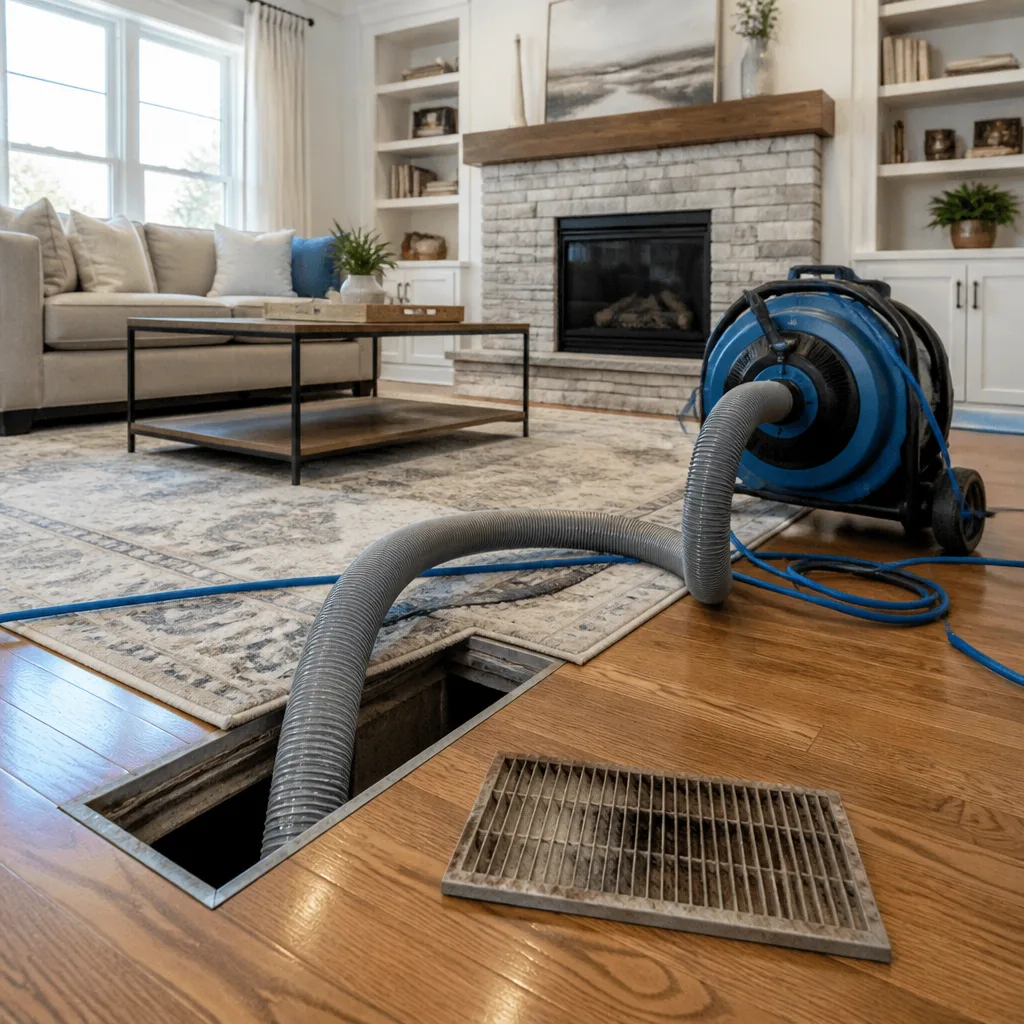 Whole-home duct cleaning
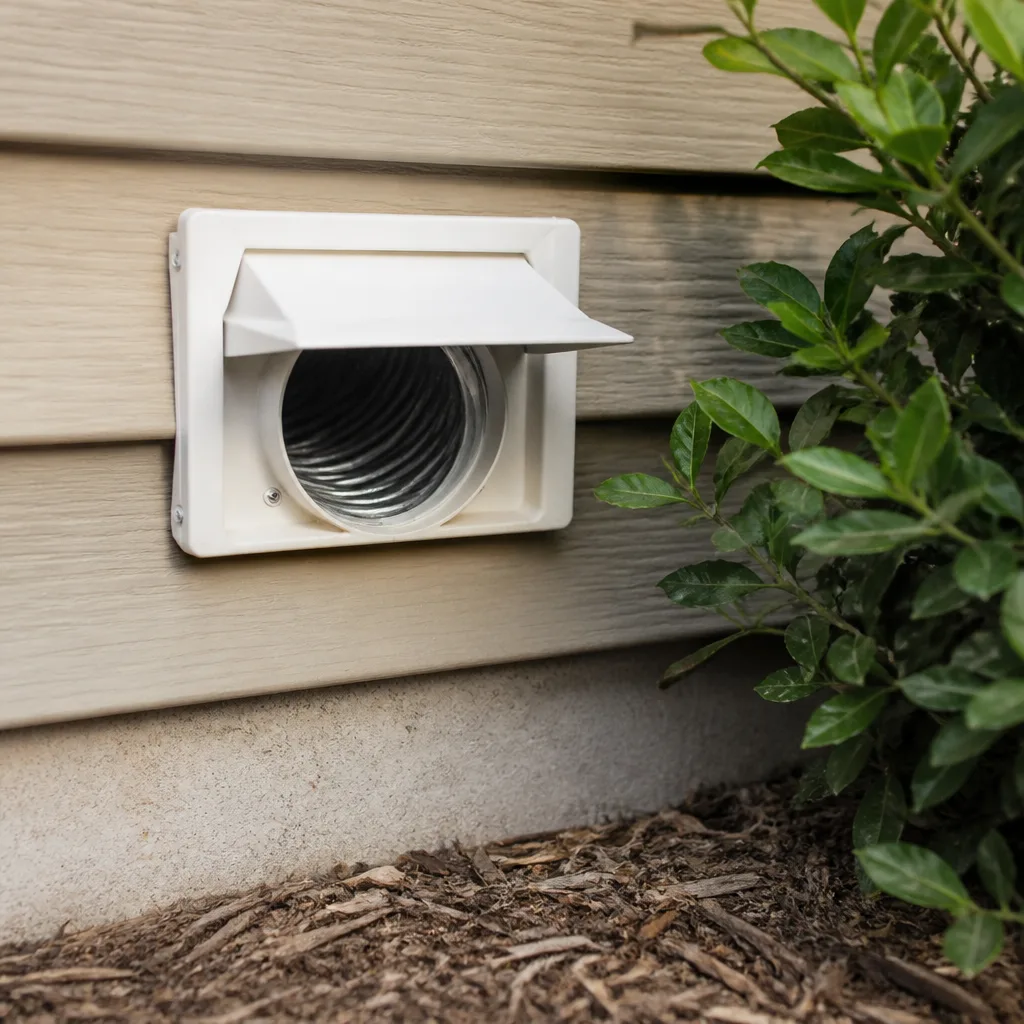 Dryer vent cleaning
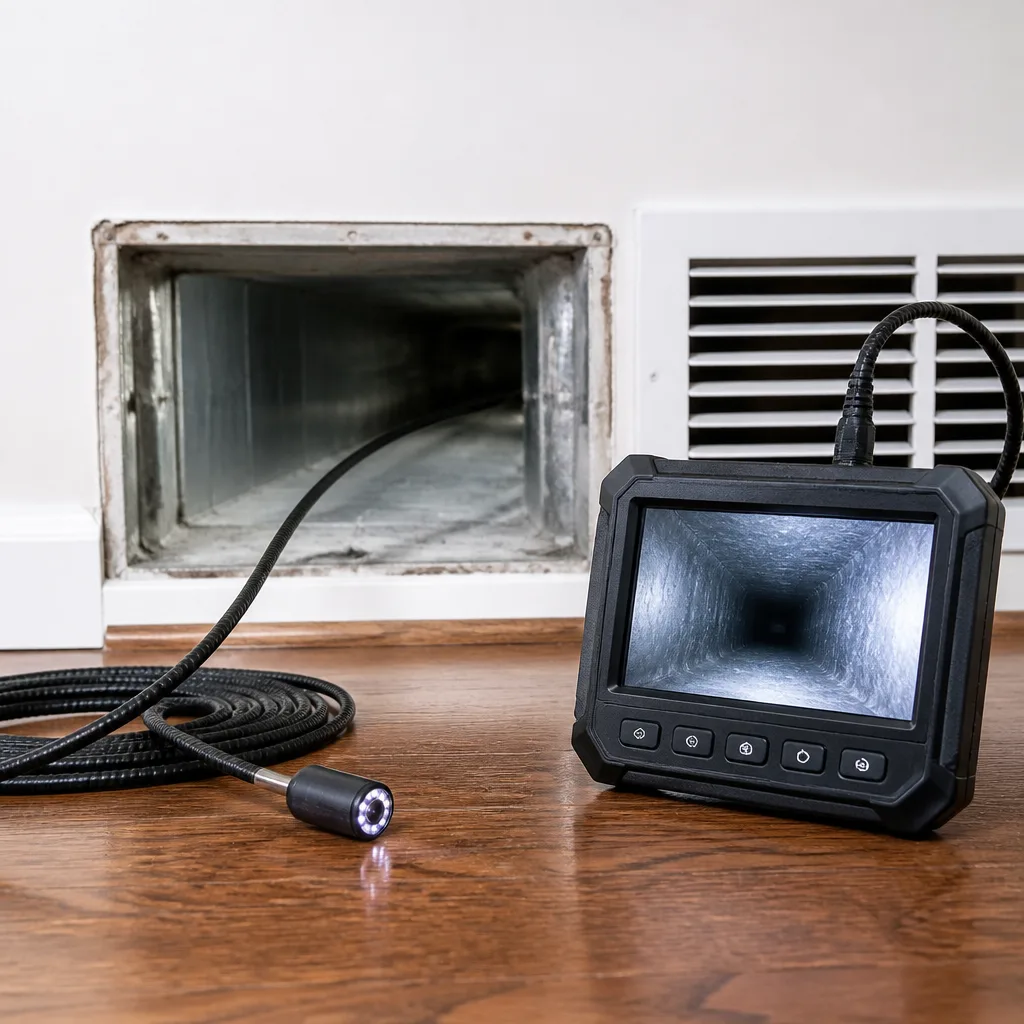 Camera inspection
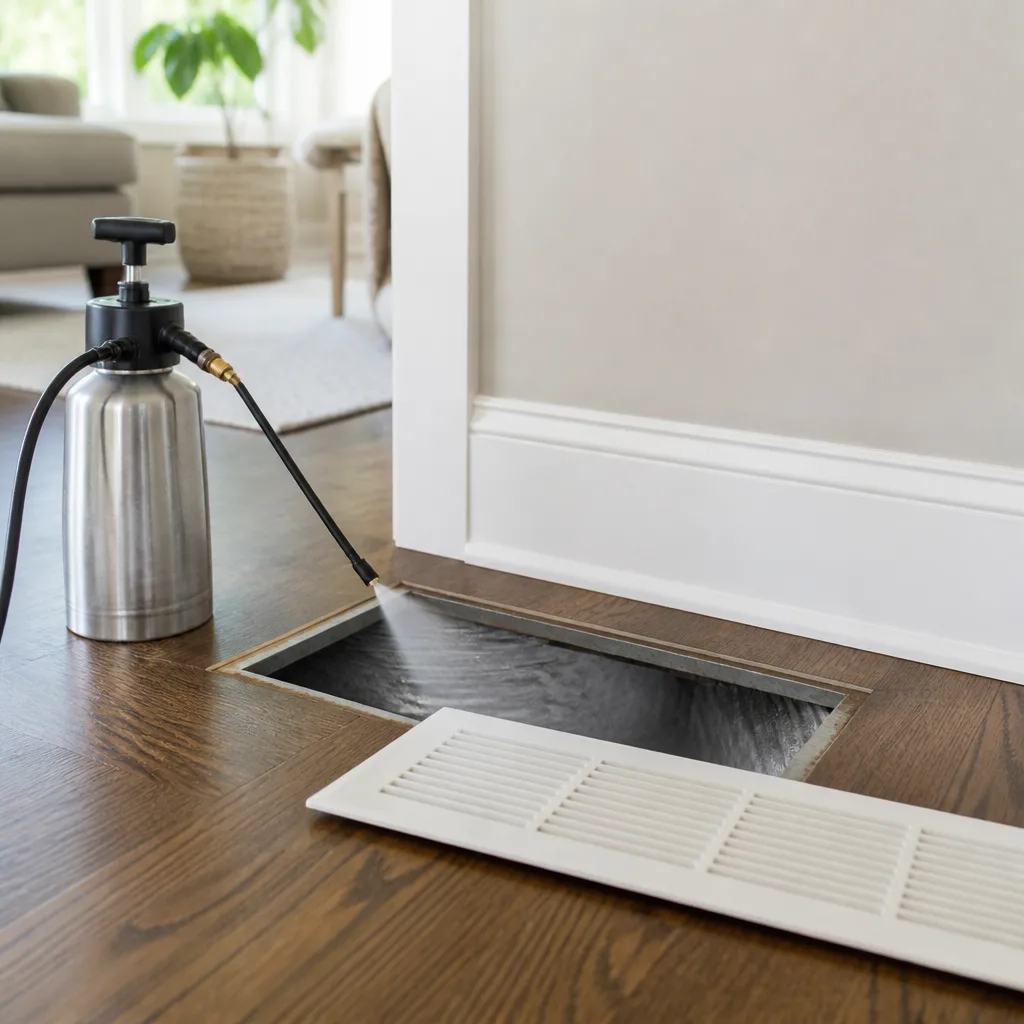 Sanitizing & deodorizing
Whole-system duct and dryer vent check with before-and-after photos - you see exactly what came out of your vents
That "$99 whole-house special" is a bait ad - the real number appears once they are in your hallway, or the "clean" is a shop-vac at the register. We photograph the inside of your ducts before and after instead.
Air Duct Cleaning Permits, Codes & Inspections in Preston Hollow, TX: What You Need to Know
Most duct cleaning in Texas doesn’t require a permit. That’s the part everyone gets right, and it’s also where the trouble starts. The moment a job crosses from cleaning into modifying ductwork, replacing sections, or handling mold inside the system, the regulatory picture changes completely, and the homeowner is usually the last to know. A contractor who skipped licensing or permits can leave you holding a liability that touches your insurance claim and your resale disclosures. This guide walks through the Texas licensing categories, when City of Dallas permits come into play, mold remediation rules, and what to document. If you’re searching for air duct cleaning in Preston Hollow, this is the compliance layer most quotes never mention.
Quick Answer
Plain air duct cleaning in Preston Hollow does not require a permit. But duct repair, duct modification, section replacement, or mold remediation inside the duct system can trigger Texas licensing requirements under the Texas Department of Licensing and Regulation (TDLR) and, in some cases, City of Dallas permits and Texas Department of State Health Services (DSHS) mold remediation licensing. Always ask for the contractor’s license category before structural work begins.
Styles & brands we work with
- Whole-home duct cleaning
- Dryer vent cleaning
- Camera inspection
- Sanitizing & deodorizing
Table of Contents
- Why Permits Matter More Than Most Homeowners Realize
- Texas HVAC Licensing: Class A vs. Class B
- When Dallas Permits Are Triggered by Duct Work
- Mold Remediation Inside Ductwork: DSHS Rules
- How to Verify a Contractor in Texas
- What to Document If Work Was Done Without Permits
- Home Sale Inspections in Preston Hollow
- Why Preston Hollow’s Climate Makes Duct Work Different
Why Permits Matter More Than Most Homeowners Realize
The duct cleaning industry has a wide range of operators, and the contracts vary just as much. A company that shows up with a shop-vac and a per-vent price may never touch a permit, because cleaning alone doesn’t need one. That’s technically accurate. But the same company might also seal a joint, replace a flex run, or spray a sanitizer into a system showing microbial growth, and those activities sit in a different regulatory bucket.
Here’s what that means for you: if a duct modification is done without the right license or permit, your homeowner’s insurance may treat related damage as uncovered. When you sell a Preston Hollow home, the buyer’s inspector may flag unpermitted work, and the disclosure requirements can turn a simple cleaning invoice into a negotiation problem. In our experience, the homeowners who end up frustrated aren’t the ones who asked too many questions. They’re the ones who didn’t know which questions existed.
This guide covers the four regulatory layers you’ll encounter in Preston Hollow: TDLR licensing categories, City of Dallas permits, DSHS mold remediation rules, and the documentation you should keep. It’s written for the homeowner who wants to hire correctly the first time, or who needs to fix a paper trail after the fact.
What counts as “cleaning” versus “modification”
The distinction matters because it determines whether licensing and permits apply. Cleaning is mechanical removal of dust and debris from the interior surfaces of the duct system. Modification is any change to the physical ductwork: cutting in a new run, replacing a section of flex or rigid duct, resizing a return, or adding a takeoff. Cleaning rarely requires a permit. Modification frequently does, and it always requires the right license category.
Texas HVAC Licensing: Class A vs. Class B
Texas licenses air conditioning and refrigeration contractors through TDLR, and the license categories determine the scope of work a contractor can legally perform. If duct repair or modification is part of the job, the license category matters directly to you.
- Class A licensed air conditioning and refrigeration contractor: authorized to perform the full scope of HVAC work, including installation and major modification, without a monetary limit on the project.
- Class B licensed air conditioning and refrigeration contractor: limited to projects below a specific contract dollar threshold set in TDLR rules. Larger jobs require a Class A contractor.
- Registered air conditioning and refrigeration technician: an individual technician registered with TDLR who works under a licensed contractor.
For Preston Hollow homeowners, the practical question is simple: if the quote includes replacing a duct section or cutting a new supply run, ask which licensed contractor holds the contract, and confirm the license class. A cleaning-only job typically doesn’t require an HVAC contractor license at all, because it doesn’t involve modifying the system. But the moment a technician proposes structural changes, the license category becomes part of the paperwork.
We’ve seen this play out during pre-listing walkthroughs in Preston Hollow, where a seller discovers that a previous duct “repair” was really a duct-taped patch done by an unlicensed handyman. The patch itself may be functional. The missing license record is the problem.
When Dallas Permits Are Triggered by Duct Work
Duct cleaning alone typically does not require a City of Dallas permit. Structural duct modifications, HVAC replacement, and work that changes the system’s configuration often do. Dallas Development Services administers building permits, and HVAC permits fall under the mechanical code adopted by the city. If a contractor is replacing a system, adding ductwork, or making structural changes to the air distribution system, a permit is usually part of the job.
Here’s a numbered process for verifying that a permit was actually pulled, which is different from verifying that the contractor said it would be:
- Ask for the permit number in writing before work begins, not after. A legitimate contractor has no trouble providing it.
- Confirm the permit covers the actual scope. A permit for a system replacement does not automatically cover unrelated duct replacement work.
- Check the Dallas Development Services online portal to confirm the permit exists, matches the address, and lists the scope of work you agreed to.
- Ask who will schedule the inspection. On permitted HVAC work, the contractor of record schedules the mechanical inspection. If the contractor says inspections aren’t required, ask why in writing.
- Keep the final inspection approval with your closing documents if you’re selling within a few years. Title companies and buyer’s inspectors routinely ask for it during a Preston Hollow home sale.
For standard cleaning, we focus on the mechanical and documentation side rather than permits. For repairs and sealing, we make sure the scope is clear in the estimate so you know whether the job crosses into permit territory before anyone starts.
Mold Remediation Inside Ductwork: DSHS Rules
When a duct system shows visible microbial growth, the job moves out of “cleaning” and into “mold remediation,” and Texas has specific licensing for that work. The Texas Department of State Health Services (DSHS) licenses mold remediation contractors and regulates how the work is performed, contained, and documented.
What most homeowners don’t realize: a general duct cleaning company that is not DSHS-licensed cannot legally perform mold remediation inside the system, even if the company uses sanitizing products. Sanitizing as a protective measure after cleaning is different from remediation of active growth. The distinction affects your insurance claim, because most policies treat mold remediation as a separate covered event with separate documentation requirements.
Remediation standards also require containment and air filtration equipment, which is why professional remediation contractors use HEPA filtration like the Abatement Technologies units we deploy during service. Those units are the same standard used in water-damage and mold remediation work, and they’re what separates a documented remediation from a spray-and-wipe. If a contractor quotes “mold removal” inside your ducts without DSHS licensing, ask them to put their license category in writing. Their answer tells you a lot.
How to Verify a Contractor in Texas
Every legitimate contractor in Texas should be easy to verify, and the process takes about five minutes if you know where to look. Here’s how to do it before you sign anything.
- Use the TDLR license lookup tool at the Texas Department of Licensing and Regulation website. Search by company name or individual name, and confirm the license type (Class A or Class B air conditioning contractor) and that the license is active, not expired.
- Check the license type against the work. If the scope includes duct repair or modification, confirm the contractor holds the appropriate HVAC contractor license, not just a technician registration.
- Request a certificate of insurance showing general liability coverage, and call the insurer listed on the certificate to confirm the policy is active.
- If mold remediation is part of the scope, search the DSHS mold licensing records and confirm the contractor holds the appropriate mold remediation license.
- Ask for the permit number if the scope includes modification, and verify it through Dallas Development Services before work begins.
- Get the scope, the license category, and the flat price in writing on the estimate itself. A written estimate that states the classification of work is your best protection.
None of this is unreasonable to ask, and a professional won’t be bothered by it. The contractors who hesitate on licensure questions are telling you something.
What to Document If Work Was Done Without Permits
If you’re reading this after the fact, you’re not alone. Many Preston Hollow homeowners inherit unpermitted duct work from a previous owner, a prior renovation, or a rushed repair. The good news is that most of it can be documented retroactively. The bad news is that it takes paperwork.
Here’s what to collect:
- Photos of the duct system before and after any repair or cleaning. Interior photos, not just exterior unit shots. This is where professional before-and-after documentation becomes valuable, because it proves the condition at a point in time.
- Invoices showing the scope of work, the contractor name, and the license category. If the invoice is vague (“duct work – $X”), you have less to work with.
- A written statement from a licensed contractor confirming the current condition of the ductwork. This acts as a professional basis for the work you’re about to have done.
- Permit history if applicable. Dallas Development Services can provide a permit history report for the property address, which shows whether permitted work was ever recorded.
- Any mold remediation reports or clearance documentation if remediation was performed, since buyers and insurers will ask for these separately.
The corrective step is straightforward: have a licensed contractor assess the current duct condition, document it, and bring the work into compliance. In most Preston Hollow homes that’s less complicated than it sounds, and the documentation burden is far lighter when the work is done once, properly, with photos and a written scope.
Home Sale Inspections in Preston Hollow
Preston Hollow is an established neighborhood with homes spanning a wide range of construction eras, and duct systems here show their age. When a home goes on the market, the buyer’s inspector typically looks at the visible HVAC components and may flag duct conditions or evidence of unpermitted work. In Dallas, sellers are required to disclose known defects and material facts about the property, and unpermitted modifications to HVAC or duct systems can rise to that level.
The practical protection is simple: if any structural duct work was done at your property, be able to show it was done by a licensed contractor, with a written scope, and, where applicable, a permit and inspection approval. If it wasn’t, get it documented now. A pre-listing duct assessment, with before-and-after photos and a written condition report, does more for a clean closing than any disclosure wording.
We work in Preston Hollow regularly and see the pattern: buyers ask for documentation, sellers scramble, and the deal closes with a credit or a delayed inspection. Getting ahead of that with a documented cleaning and repair history is the practical answer.
Why Preston Hollow’s Climate Makes Duct Work Different
Preston Hollow sits in a North Texas climate with long, hot summers and mild winters. That seasonal pattern affects the duct system in specific ways. The air conditioning runs heavily for months, which means return ducts and the air handler cabinet collect more dust and microbial material than systems in cooler climates. During the winter heating season, temperature swings between daytime warmth and cooler nights create condensation within the supply runs if insulation is compromised, which is a common source of internal moisture.
That moisture is the reason mold remediation is a separate category in Texas rather than an over-the-counter sanitizer service. Any duct system in this climate that shows visible growth needs a licensed mold contractor, containment equipment, and a documented clearance process. We use Abatement Technologies filtration units and Rotobrush mechanical cleaning systems for that reason: the equipment is the standard for remediation work, and the documentation follows the equipment.
Preston Hollow homes with larger square footage often carry long duct runs through unconditioned attic space, where dust buildup is heaviest. When we assess a system in Preston Hollow, the attic-side ductwork usually tells the deeper story, and it’s where repair and sealing work is most often warranted. That’s also where unpermitted modifications most often hide.
Common Mistakes to Avoid
- Assuming no permit means no paperwork. Cleaning alone may not need a permit, but if a contractor cuts into the ductwork, replaces a section, or sprays for active mold growth, that work needs documentation and often a license category you should verify. Get the scope in writing before work begins.
- Accepting a per-vent price without knowing the scope. Per-vent pricing tells you nothing about whether the contractor will handle containment, sanitizing, or repair. Ask for a flat price per system and a written scope that covers every airflow point, not just the supply registers.
- Hiring a mold remediation contractor without DSHS licensing. In Texas, remediation is a licensed activity, and an unlicensed contractor doing remediation inside your ducts leaves you without documentation when the insurance claim or the resale inspection comes up. Verify the license category first.
- Letting a duct tape patch travel with the house. If a repair was done with duct tape or mastic without a proper license, that’s a disclosure risk when you sell. Have a licensed contractor confirm the repair and provide a written record.
- Skipping insurance verification. A certificate of insurance is a document, not a promise. Call the insurer to confirm the policy is active before work begins, especially on jobs involving HVAC modification.
- Treating before-and-after photos as optional. In a Preston Hollow resale or an insurance claim, photos of the duct interior before and after work are the evidence that protects you. Refuse a quote that doesn’t include them.
- Ignoring attic ductwork because the registers look clean. The long runs through the attic are usually where dust and moisture accumulate, and usually where unpermitted modifications hide. Ask the contractor to inspect the attic runs, not just the accessible interior ducts.
See the difference
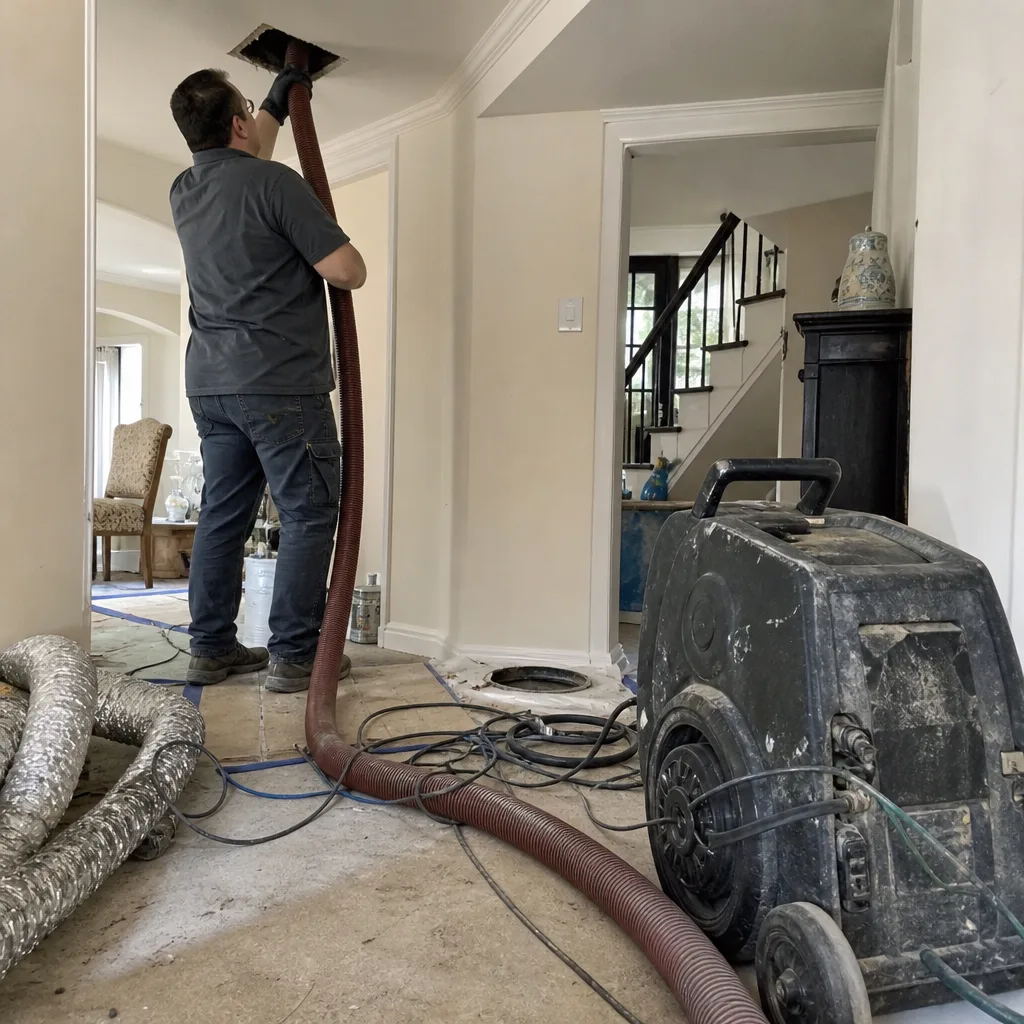 Before
 After
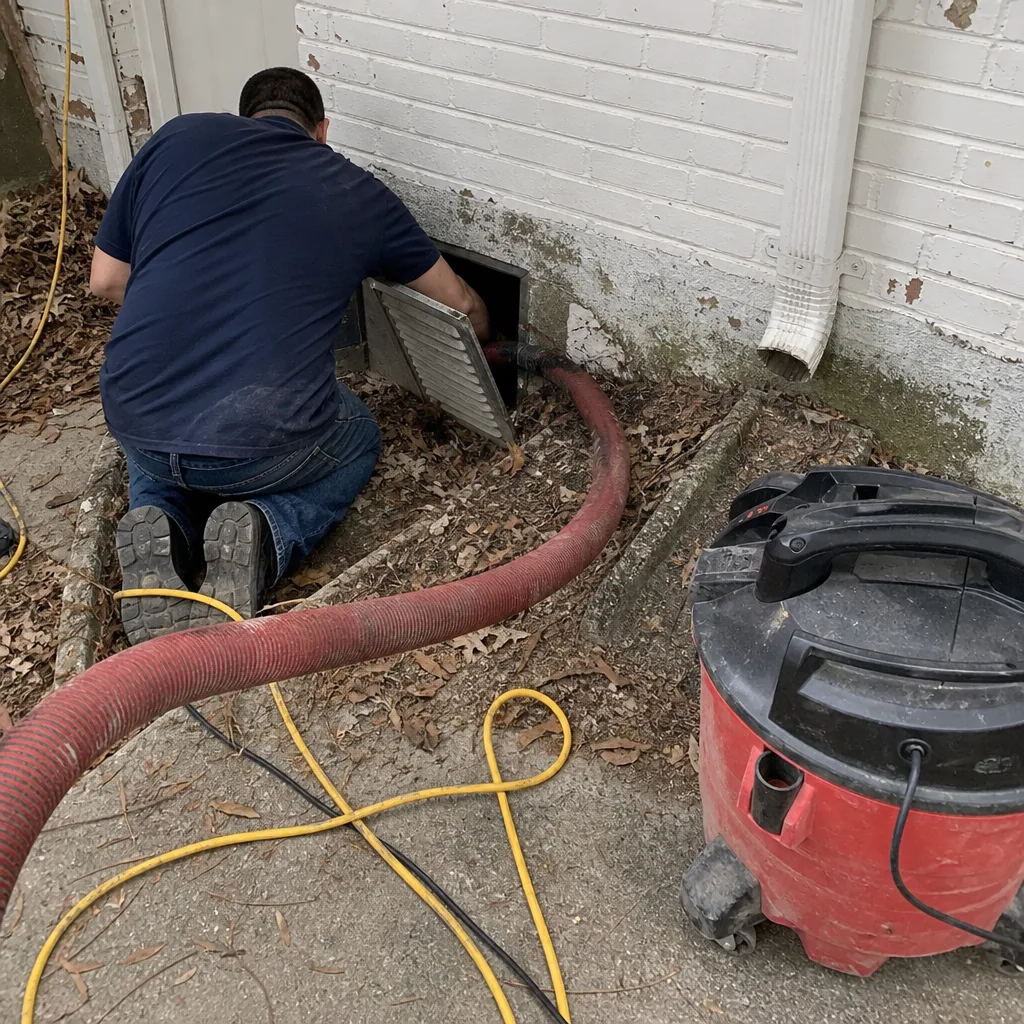 Before
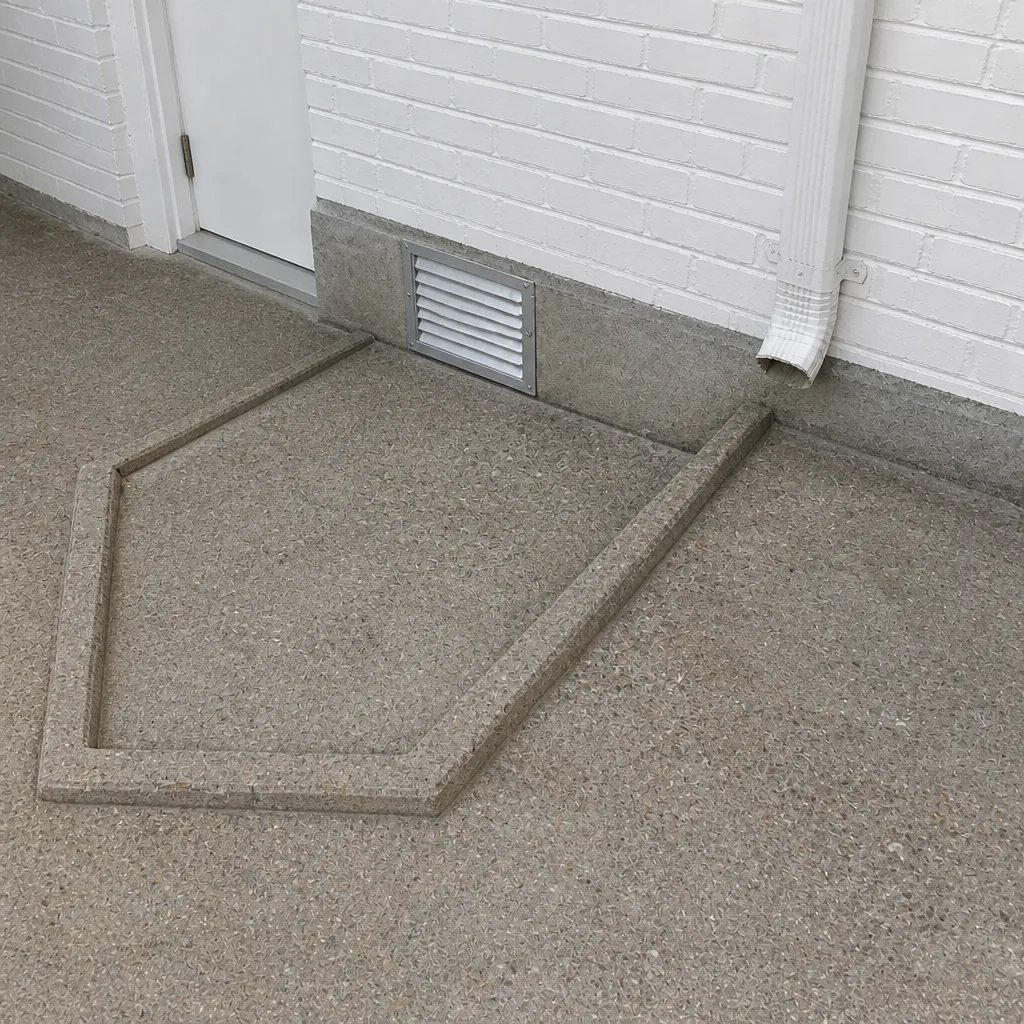 After
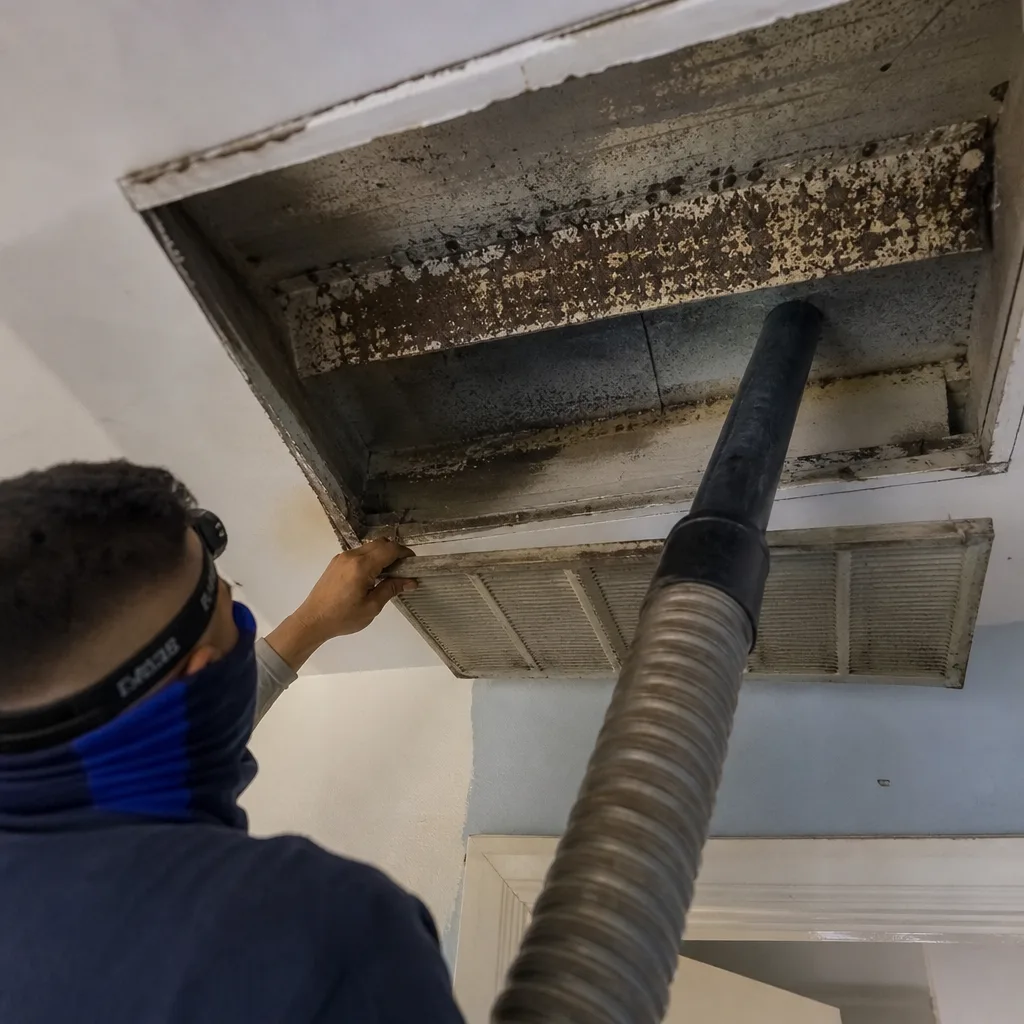 Before
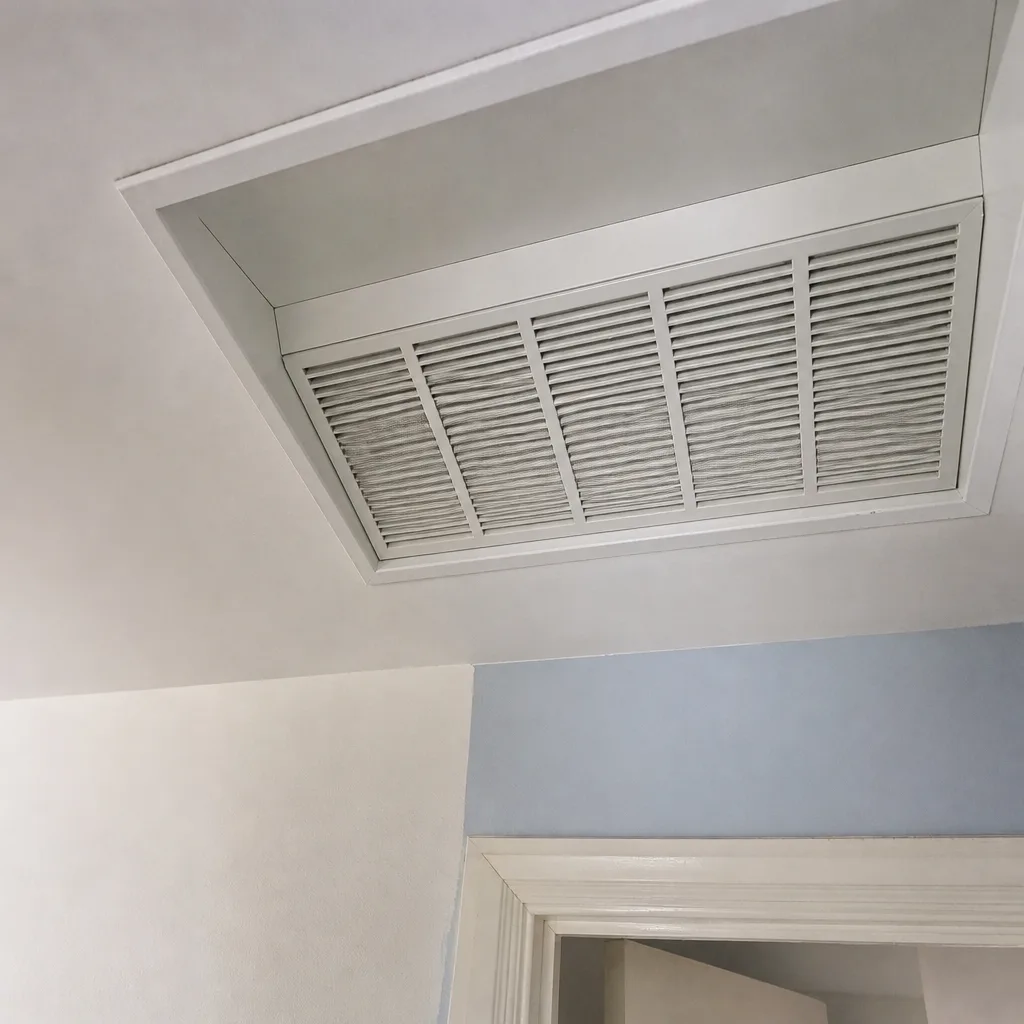 After
When to Call a Professional
Some duct situations move past “cleaning” and into the licensed-work category, and those are the ones to call a professional about rather than postpone. If you see visible mold growth inside the air handler or on duct surfaces, if a contractor has quoted duct replacement or modification, if you’re preparing to sell a Preston Hollow home and can’t document prior duct work, or if you’ve had water intrusion in the attic near duct runs, those are all situations that need a licensed assessment and a written scope before anything is done.
We bring Rotobrush and Nikro systems to every job, use Abatement Technologies filtration during remediation-level work, and install Honeywell and Aprilaire IAQ components when the system needs ongoing control after cleaning. Every airflow point in the home gets assessed, from supply and return ducts to the air handler. Air Duct Cleaning Preston Hollow offers free estimates in Preston Hollow. Call (833) 513-8108.
Frequently Asked Questions
No, standard air duct cleaning in Preston Hollow does not require a permit. Dallas permits are typically triggered by structural duct modification, section replacement, or HVAC system changes, not routine cleaning. If a contractor proposes repairs or modifications, ask for the permit number in writing before work begins.
A Texas contractor repairing or modifying ductwork needs a Class A or Class B air conditioning and refrigeration contractor license issued by the Texas Department of Licensing and Regulation. Class B contractors are limited to projects below a set dollar threshold, while Class A contractors can perform work without a monetary limit. Verify the license category through the TDLR license lookup before you sign.
Yes. Mold remediation inside ductwork is regulated by the Texas Department of State Health Services (DSHS), and the contractor must hold the appropriate DSHS mold remediation license. A general duct cleaning company without that license cannot legally perform remediation, even if it uses sanitizing products. Ask for the license category in writing before any remediation work starts.
Use the TDLR license lookup tool to confirm the contractor’s license type and active status, and request a certificate of insurance showing general liability coverage. Call the insurer listed on the certificate to confirm the policy is active. For mold work, also check DSHS licensing records.
Yes. Unpermitted duct modification can trigger disclosure requirements and inspection flags in a Preston Hollow home sale, and may complicate insurance claims for related damage. Getting the work documented and retroactively evaluated by a licensed contractor before listing is the practical fix.
Have a licensed contractor assess and document the current condition with photos and a written scope, check the Dallas permit history for the address, and bring the work into compliance if needed. Documentation done now protects you at the point of sale or insurance claim. Call (833) 513-8108 for an assessment.
The Bottom Line
Air duct cleaning in Preston Hollow typically doesn’t need a permit, but duct repair, modification, and mold remediation bring TDLR licensing, City of Dallas permits, and DSHS mold licensing into play. The distinction between cleaning and structural work is where homeowners get exposed. Ask for the license category in writing, verify it through the TDLR license lookup, confirm permits through Dallas Development Services before work starts, and keep before-and-after photos with a written scope. That documentation protects your insurance claim and your resale. None of it is complicated, and a professional contractor will expect the question.
Call (833) 513-8108 for a free estimate. We answer 24/7. Fast dispatch from 7am to 7pm, Sunday through Friday.
Written by the team at Air Duct Cleaning Preston Hollow.