
Last updated November 25, 2026
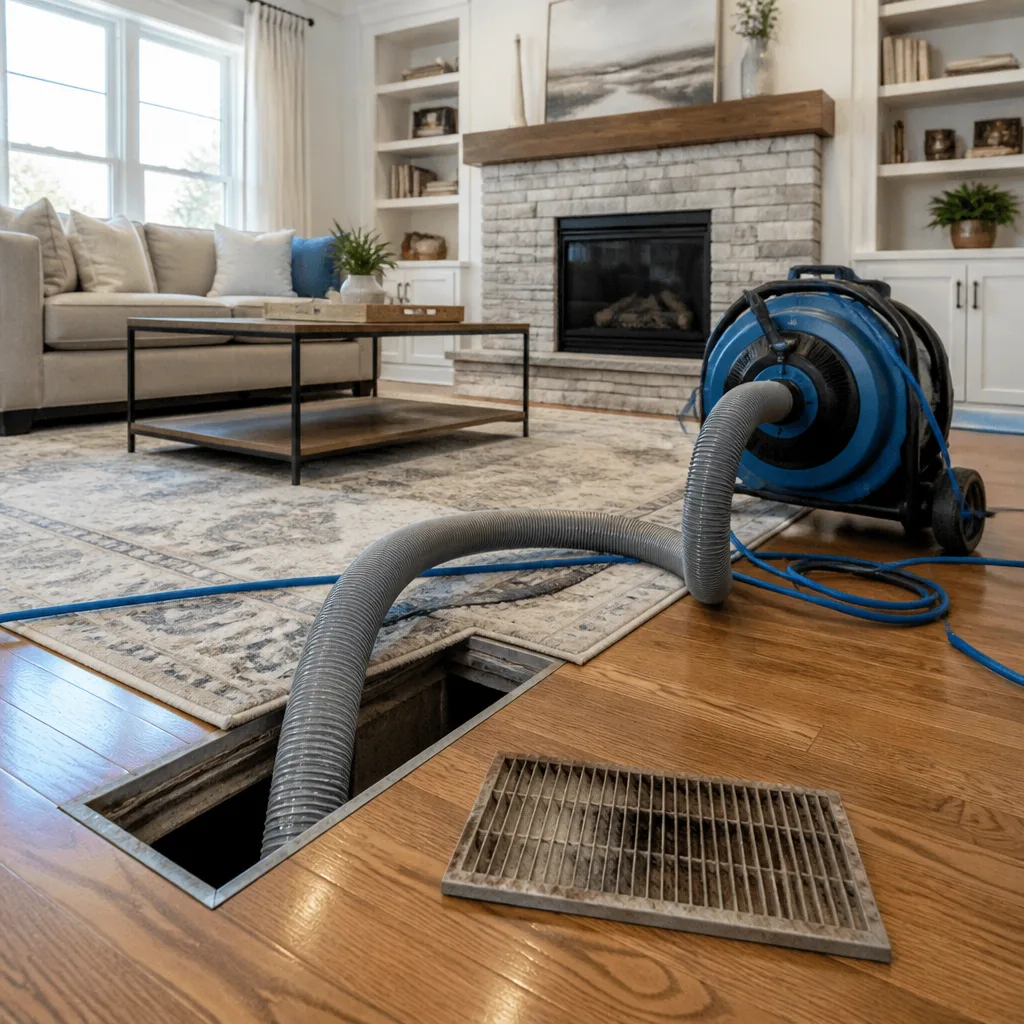 Whole-home duct cleaning
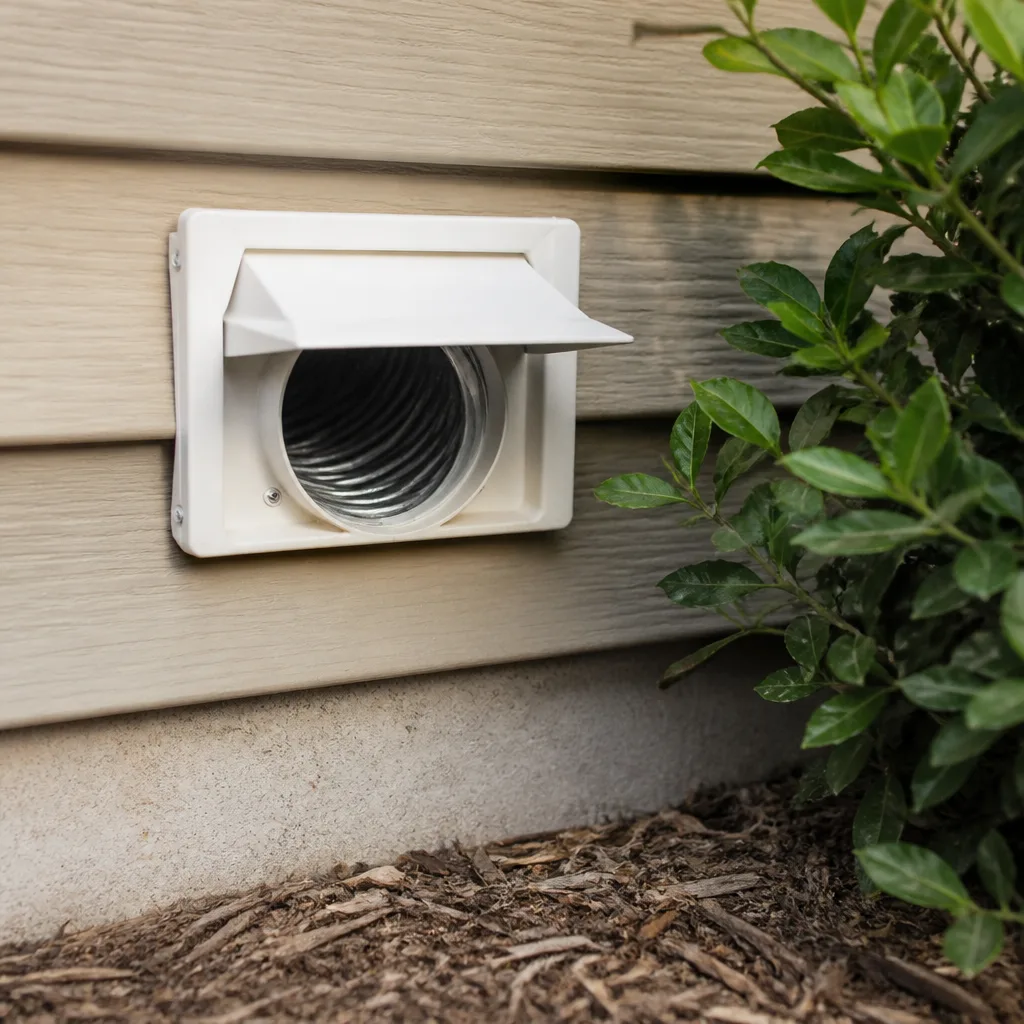 Dryer vent cleaning
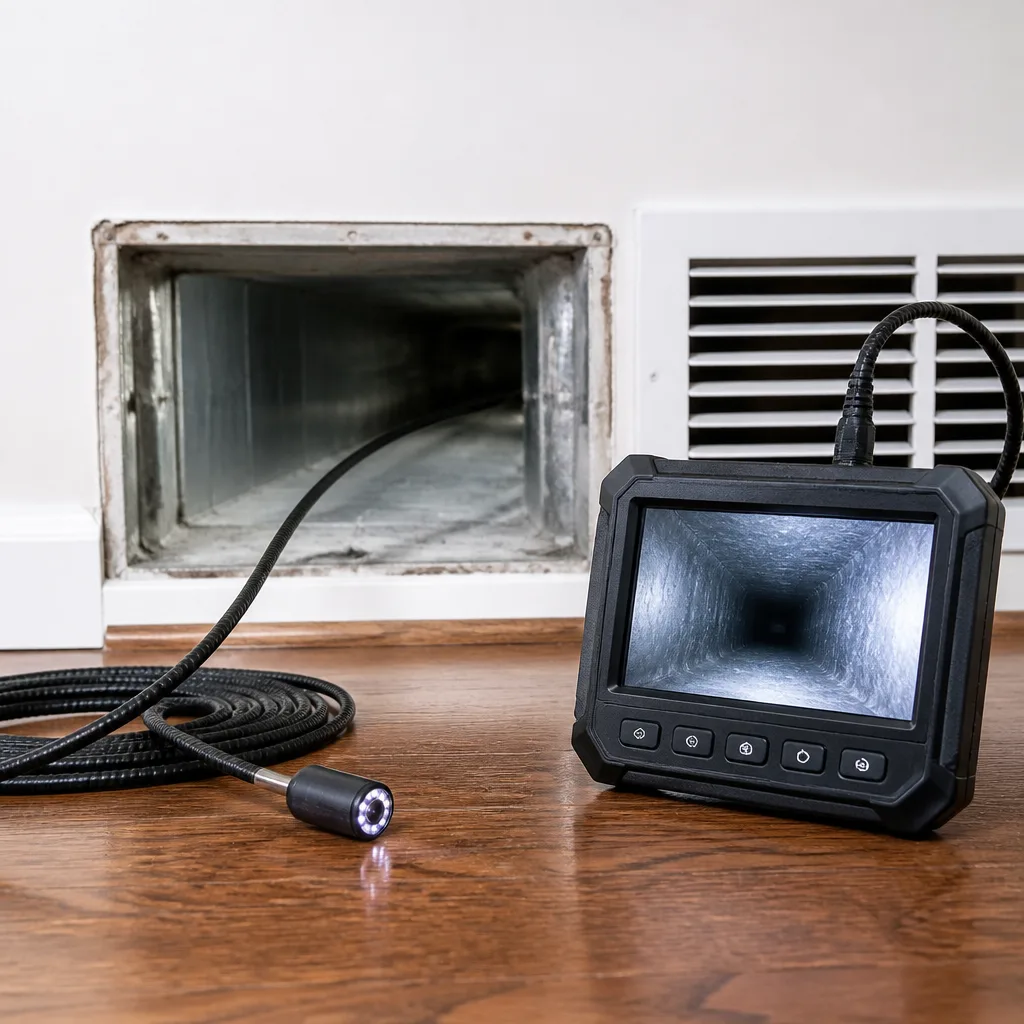 Camera inspection
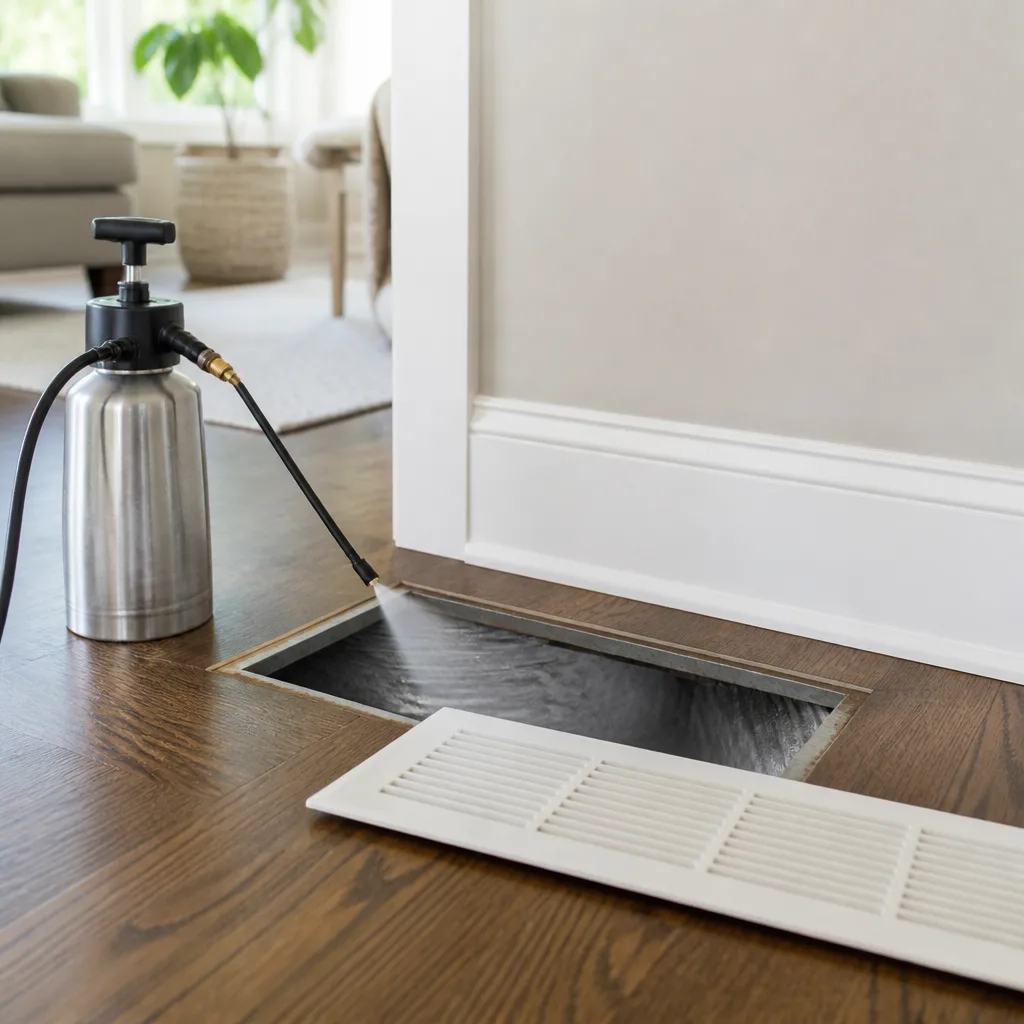 Sanitizing & deodorizing
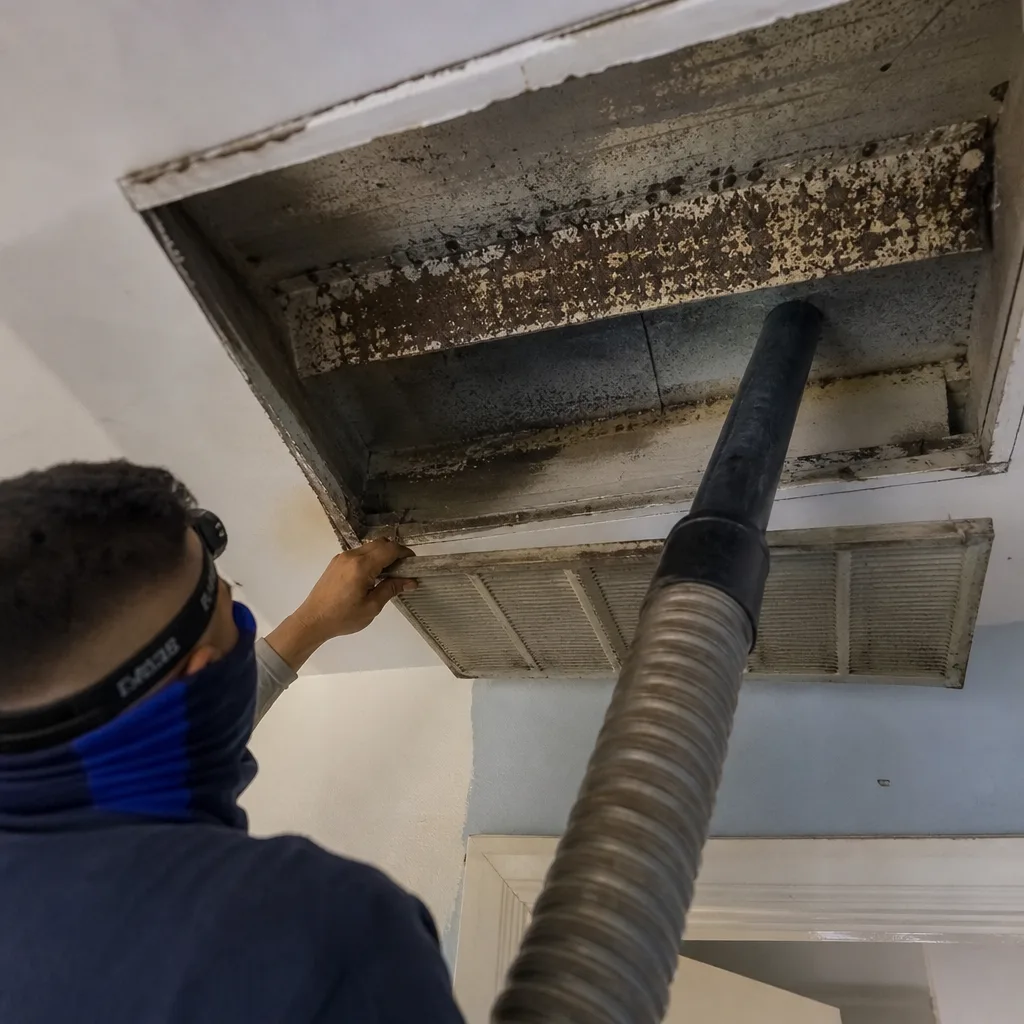
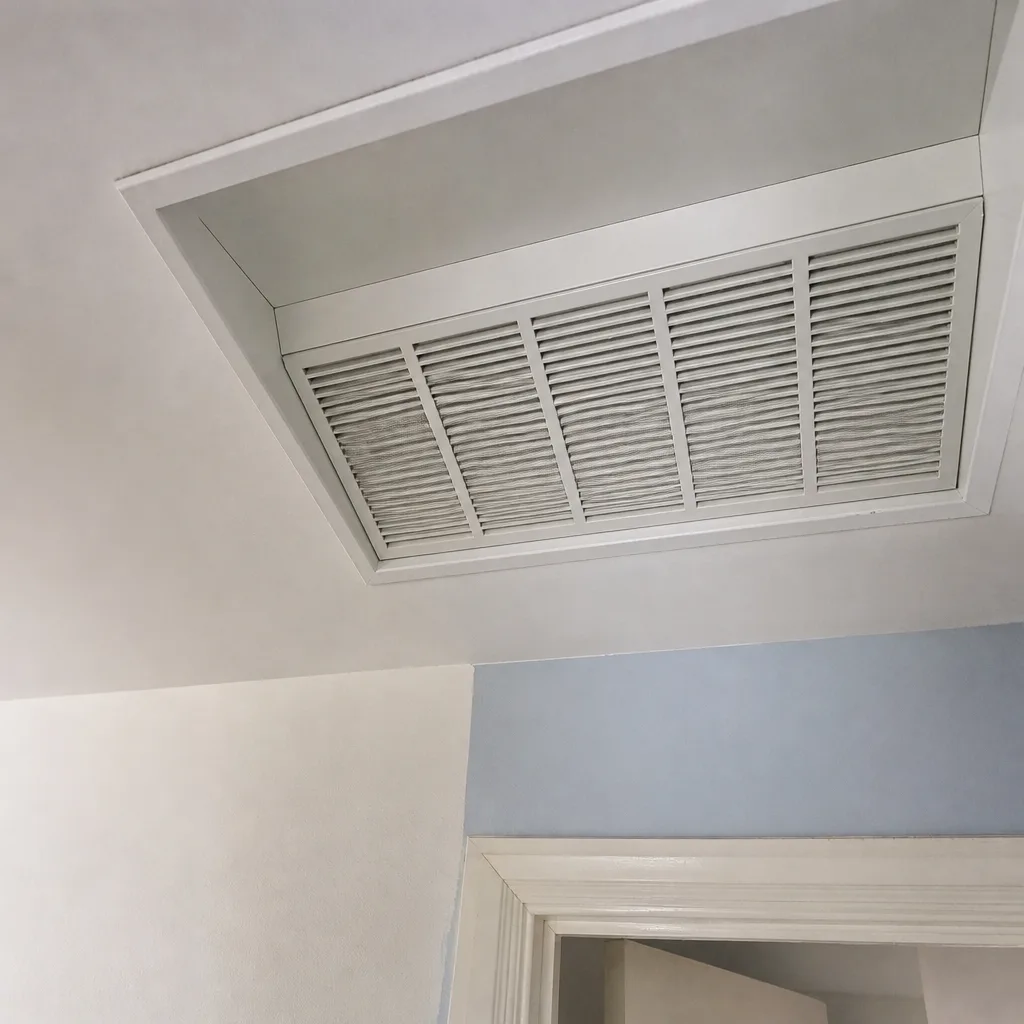
Whole-system duct and dryer vent check with before-and-after photos - you see exactly what came out of your vents
That "$99 whole-house special" is a bait ad - the real number appears once they are in your hallway, or the "clean" is a shop-vac at the register. We photograph the inside of your ducts before and after instead.
Air Duct Cleaning Warning Signs: A Preston Hollow Homeowner’s Reference Guide
Visible dust on a register face is a late-stage warning sign. By the time it shows up, the duct liner, coil face and blower wheel have already been compromised – the register is just where it finally spills over. Most Preston Hollow homeowners are trained to watch for exactly that: odor and dust. The signals that matter most show up weeks earlier, in airflow, in how the system sounds, and on the electric bill. This guide lays out a five-tier framework for reading those signals, explains what each one tells you about where the problem actually lives, and shows you which signs mean a scheduled cleaning and which mean you should not run the system another week. Mention Preston Hollow once and we mean it: these homes have ductwork old enough that this reading matters.
Styles & brands we work with
- Whole-home duct cleaning
- Dryer vent cleaning
- Camera inspection
- Sanitizing & deodorizing
Quick Answer
The main warning signs that a duct system needs professional attention are uneven airflow or room temperatures, a musty or stale smell that returns after cleaning the house, visible dust streaking from registers, rising summer electricity bills with no change in habits, and allergy symptoms that flare up at home and ease when you are away. One or two of these points to a dirty system or a leakage problem; three or more usually means the ducts, the coil and the blower are all involved. The only way to know for certain is a physical inspection of the supply and return runs, not a look at a register.
Table of Contents
- The Five-Tier Warning Sign Framework
- Visual Warnings: What You Can See and What It Hides
- Smell: Dirty Coil Versus Growth in the Duct Liner
- Mechanical Warnings: Uneven Rooms and Leaky Ducts
- Biological Warnings: Symptoms Tied to Your Home
- Energy-Use Warnings: When the System Works 20% Harder
- Event-Driven Warnings: Renovation, Water, Rodents
- How a Professional Inspection Actually Works
- Common Mistakes to Avoid
- When to Call a Professional
- Frequently Asked Questions
- The Bottom Line
The Five-Tier Warning Sign Framework
Duct problems announce themselves in a predictable order, and each category tells you something different about where the trouble lives. We sort every call we take into these five tiers because it changes what we load onto the truck. A musty smell and a cold bedroom are not the same job, even though both end with the word “cleaning.”
- Visual: dust streaking at registers, dark matting on return grilles, debris visible inside a supply boot. This tier tells you contamination has reached the mechanical parts.
- Olfactory: musty, sour or damp smells that come back after the house is cleaned. This tier points to either the evaporator coil or the interior lining of the duct.
- Mechanical: uneven room temperatures, weak airflow at distant registers, whistling or popping, doors that resist closing when the blower runs. This tier is usually a leakage and static-pressure problem, not a dirt problem.
- Biological: symptoms that show up indoors and fade when you leave. This tier needs the most careful reading, because it can mean contamination is being distributed through the supply run.
- Energy use: summer bills climbing with no change in thermostat habits. This tier is the financial readout of mechanical leakage and coil restriction.
The hierarchy matters because homeowners naturally watch the top of the list. The earlier tiers – mechanical and energy – are where the system has been telling you for weeks. A Preston Hollow home with a long supply trunk and a hot attic above it will show a mechanical signal long before a register shows dust. When we inspect, we work the list backward: test airflow first, then the coil face, then the liner, and treat the visible dust as the last confirmation rather than the first clue.
If you have ticked two or more tiers, a physical inspection is warranted. You can read more about what that involves on our Air Duct Cleaning Preston Hollow page.
Visual Warnings: What You Can See and What It Hides
Dust on the register face is the warning sign everyone recognizes, and it is the least useful one by itself. A dark outline around a supply grille means air carrying particulate has been escaping at the seam – but that particulate did not start at the register. It traveled the full run before it got there. When you see it, the liner downstream, the coil face and the blower wheel are already loaded.
Here is what a homeowner can check without tools, and what each observation means:
- Dark matting on the return grille: normal up to a point, but if the grille needs vacuuming more than once a season, the return side of the system is holding far more debris than a filter can address.
- Streaking on the wall beside a register: usually a seal failure at the boot, not just dirt. Air is escaping where the boot meets the drywall, and in attics that gap can also pull in hotter air from the unconditioned space.
- Dust in a visible supply run in a closet or utility space: if you can see debris settled inside a straight section of duct, the horizontal runs are worse.
- A gray or black film on the blower wheel: visible through the service panel on most air handlers. Caked debris on the blower fins changes how the fan moves air and is a strong argument for full HVAC cleaning rather than duct cleaning alone.
- Debris at the base of a floor boot: grit or fine dust collecting around the boot flange points to a gap in the liner or the seal.
The one visual warning most people miss in an established Preston Hollow property is loose or sagging flex duct in the attic. Older flex runs can droop, kink or separate at a collar, and a kinked run chokes airflow to whatever room it serves no matter how clean the duct is. We fix what we find while we’re in the system because a leak handed back as a to-do list is not a complete job. A professional air duct cleaning inspection should include a look at the liner and the seals, not just a visual of the grille.
Smell: Dirty Coil Versus Growth in the Duct Liner
A musty smell that returns within hours of airing the house out is a strong signal, and the distinction between its two main causes decides your response. A dirty evaporator coil smells musty and sour, and the smell arrives when the system first starts cooling. Active microbial growth in the duct liner smells damp and earthy, and it gets stronger the longer the blower runs. In our experience, homeowners describe the second one as “the house smells like a closet,” and the first as “it smells for a minute when the air kicks on.”
Here is how the two compare before an inspection:
- Coil: the smell shows up right as the compressor starts, clears within minutes, and is worst in the first cooling cycle of the season. It sits in the air handler, so it’s most noticeable nearest the indoor unit.
- Duct liner: a damp, earthy or slightly metallic smell that does not clear, often strongest in one or two rooms. That localized pattern usually means the contamination is in a branch run, not the whole system.
- Both at once: a damp smell that is weak at first and grows through the afternoon. That combination is common in homes with restricted airflow – the coil stays wet longer, and the liner stays humid too.
Why the distinction matters: a coil clean and a liner sanitization are different jobs using different equipment, and cleaning one while ignoring the other is how a smell comes back. When we treat the interior of a system, we use Guardsman-grade cleaning and protection products, and we confirm there is no active water source before applying anything. A smell with an active leak or standing water in the drain pan needs the water problem found first. Growing anything over a wet surface just hides the cause.
If you’ve traced a persistent smell to the ducts, that’s the point to look beyond a consumer cleaning and learn what a full-system approach covers.
Mechanical Warnings: Uneven Rooms and Leaky Ducts
Inconsistent room temperatures in a Preston Hollow estate home are more often a duct leakage problem than an equipment problem. That surprises people, because a room that won’t get cold feels like a failing air conditioner. But on a larger home with long trunks and multiple zones, the equipment is usually doing exactly what it was asked – the problem is that a portion of the conditioned air is escaping into the attic before it ever reaches the room. That escaping air is called duct bypass.
The mechanical warning signs worth watching:
- One or two rooms never reach setpoint while the rest of the house is comfortable. A duct leakage or balancing issue, almost always at a run that has separated, kinked or slipped a collar.
- Whistling at a register means high static pressure. Either the filter is loaded, the return path is undersized, or a run is pinched somewhere upstream.
- Doors that pop or resist closing when the blower starts indicate pressure imbalance between rooms – a sign the return side is not pulling evenly from the house.
- Airflow that feels strong at the register near the air handler and weak at the far end is the classic signature of leakage on the run and rising static pressure.
- Rattling or booming ductwork when the fan ramps – a mechanical problem with the duct structure itself, not just dirt.
A static-pressure test and a walk-through of the attic will tell you quickly whether the system is starved of return air, leaking at the seams, or genuinely restricted by debris. Sometimes all three. A repair and sealing visit is often what a “cold bedroom” actually needs – clean the duct, seal the leak, restore the airflow. That’s the difference between a duct clean and a repair job, and it’s why we bring both to the same appointment. For homes where mechanical warnings show up at the air handler too, HVAC cleaning is the fuller version of the job.
Biological Warnings: Symptoms Tied to Your Home
A health symptom is the most persuasive warning sign and the least reliable one on its own. People attribute a lot to their ducts – correctly and incorrectly. The pattern to look for is not the symptom itself, but where it happens. Symptoms that flare inside the house and ease when you are consistently away for a day or more are worth investigating. Symptoms that follow you to work and to the car are probably not the ducts.
This is generally how a duct-related issue presents itself:
- Morning congestion that is worse in bedrooms and improves through the day, since bedrooms are closed up and on the same return path all night.
- Itchy eyes or sneezing when the blower runs, particularly on the first cooling cycle after weeks of disuse.
- A child or an older family member who reacts indoors but not at school or elsewhere, in a home with known renovation history.
- Dust settling on surfaces faster than a normal cleaning cycle – a sign the supply air is carrying particles it should not.
We are not in the business of diagnosing allergies or respiratory conditions and we don’t position cleaning as a treatment for anything. What we can do is make sure the system is not actively contributing to indoor air quality problems, which is measurable. There’s a reason the IAQ brands we know best, Honeywell and Aprilaire, put so much engineering into dilution, filtration and humidity control – the source matters as much as the filter. If you want containment during the work itself, we deploy Abatement Technologies air filtration, the same equipment standard used in professional mold and contaminant remediation. That’s a level most residential duct cleaners don’t offer. There’s more on our cleaning and sanitizing approach on the Preston Hollow homepage, and if this tier is showing up for you, book an inspection rather than guessing.
Energy-Use Warnings: When the System Works 20% Harder
Rising summer electricity bills in a home where not much has changed are a real duct warning sign, and most homeowners find it about two cycles late. The cost signal usually means one of two things: the coil is restricted so the compressor runs longer to hit setpoint, or conditioned air is leaking into the attic so the system has to cool the same room twice. Both show up on the bill before they show up in the rooms.
A system working 20% harder is a simple enough idea: if a fifth of the cold air it produces is bypassing the living space, the compressor has to run 20% longer to get the house to temperature. That extra runtime also makes the coil wetter, which feeds the musty smell tier, which is how one small leak turns into a system-wide problem. The tiers are linked.
How to interpret the bill as a diagnostic:
- Compare the same months across two summers at the same thermostat settings. A steady climb of a couple of hundred kilowatt hours is noise; a steady climb of a few hundred or more, without new appliances or extra people at home, is not.
- Check the spread between rooms. If the bill is rising and one room is also cold in summer, the leak is more likely in that run.
- Listen to the runtime. A compressor that used to run for ten minutes and now runs for fifteen is working harder for the same setpoint.
- Look at the filter. A clogged filter changes airflow, changes runtime and changes the bill. Start there before you call anyone.
Duct leakage is the quiet cost. The system rarely fails outright – it just slowly wastes your money and settles into a twenty-minute runtime you stop noticing. If you’re seeing the pattern across two summers, a scheduled inspection is cheaper than another season of guessing. If the warning signs have been present for a while, dryer vent problems can compound the picture too – a blocked vent adds heat and strain in the same way, so notice the signs in both. You can read up on dryer vent cleaning for that half of the system.
Event-Driven Warnings: Renovation, Water, Rodents
Some things accelerate duct degradation in weeks rather than years. Three events stand out in our experience working in older Preston Hollow homes, all of them common and all of them easy to miss in the chaos of the event itself. If any of these happened in the last twelve months, the duct system deserves a physical inspection regardless of what the registers look like.
Renovation and construction dust. Drywall dust is fine enough to pass through most standard filters and stick to duct liner. A remodel that ran for weeks with the return system live is the single most reliable predictor of a dirty duct we see. The drywall sanding stage is the worst – by the time the painter is in, the duct system has already eaten the finish work. A brief construction period is not a reason to skip an inspection; it’s a reason to schedule one.
Water intrusion and flooding. Any event that leaves standing water near or above ducting – a slab leak, an overflowing appliance, a roof leak into the attic – can wet the liner. Once wet, the liner does not dry well in a closed system, and the smell comes back. A wet liner is a structural duct problem as much as a contamination one, and it’s the point where duct repair and sealing becomes part of the response.
Rodent activity. Rodents get into attic duct work and chew through flex and liner, and the damage is often more important than the contamination. The nest and droppings are the visible problem, but the open hole in the run is what causes the airflow symptom a month later. If you’ve had a pest problem, have the duct inspected and sealed, not just vacuumed.
These three events are why we bring repair and sealing to every job. A clean duct inside an unsealed hole is a temporary result, and we’d rather tell you what we found than hand you a list. If a renovation, water event or pest issue in your home is recent, this is the point to book an inspection rather than waiting for the visible dust tier.
How a Professional Inspection Actually Works
An honest inspection is a physical inspection of the whole system, not a flashlight held up to a register. Here is what a proper one includes, in the order we work through it:
- Airflow and static-pressure check. A manometer reading at the air handler tells us whether the system has a delivery problem or a restriction problem before we open anything.
- Coil and blower inspection. The evaporator coil face and the blower wheel are pulled into view. A dirty blower is a full HVAC cleaning trigger, not a duct-cleaning trigger.
- Duct interior inspection. A camera inspection of the supply and return runs – the only way to confirm what the liner actually holds. Registers don’t tell you this; the camera does.
- Seal check. Every boot, collar and seam is checked for leakage. A repaired seal gets documented and photographed.
- Return-path check. Undersized returns cause pressure faults that no amount of cleaning can fix, so this gets measured.
During the actual work we deploy Rotobrush and Nikro professional duct-cleaning platforms – the same systems used by commercial and restoration contractors. Consumers sometimes picture a vacuum and a hose; a proper job involves the right brush with the right drive going down the actual duct, with the right negative pressure at the far end. We capture what we remove with Abatement Technologies filtration rather than letting it settle back into the house, and we photograph the before-and-after of the ducts we cleaned. You get one flat price per system agreed before work begins, so the invoice at the end is the number you were quoted at the start.
That documentation is the difference between trusting a technician’s word and seeing the work. If you want an inspection that includes it, air duct cleaning in Preston Hollow is where to start.
Common Mistakes to Avoid
- Judging the ducts by the register alone. A clean-looking register tells you nothing about the liner behind it. Every cheap clean that “looks fine” was based on the register test. Inspect from the inside.
- Choosing on price alone. A low quote has to end somewhere. The question to ask is whether the price covers the coil, the return runs and the blower, or just the supply side. If it doesn’t, the difference shows up in your next appointment.
- Cleaning the ducts and ignoring the leaks. In an older Preston Hollow home, the leak is often the bigger problem. Cleaning a system that loses conditioned air to the attic is like washing a car with the windows down. Seal it.
- Putting a price on the job from a phone estimator. A per-vent quote with no inspection behind it is a guess. The only defensible price is one set by a written estimate after a physical look.
- Treating a damp smell with air fresheners. The smell is coming through the supply air. If you mask it, you lose the warning sign and keep the source. Find the water or the growth, not the smell.
- Skipping inspection after a renovation. A remodel is a controlled dust event inside the house, and the return system is running the whole time. Inspect it once the sanding is done.
- Assuming a rising bill is the utility company’s problem. In a home where nothing else has changed, a rising summer bill is the system’s way of telling you it’s leaking or restricted. Check the ducts before you blame the rates.
When to Call a Professional
Call for an inspection if you’ve ticked three or more warning signs across the five tiers, or if any single event sign is present – recent renovation dust, a water event, or pest activity. Call if a musty smell returns after a thorough house clean, if one room has never reached setpoint in a house you’ve lived in for years, or if the summer bill has climbed for two seasons without a change in habits. Call if anyone in the home has symptoms that flare indoors and ease away. These are all situations where an inspection answers more than a phone call can. Some of them won’t need a full clean; some will need a repair and seal. A proper inspection gets you the right answer either way. Air Duct Cleaning Preston Hollow offers free estimates in Preston Hollow – call (833) 513-8108. We answer 24/7. Fast dispatch from 7am to 7pm, Sunday through Friday.
Frequently Asked Questions
Duct cleaning in Preston Hollow is priced per system, based on the size, number of runs and condition of the duct, not per vent. Because there is no per-vent pricing and no coupon teaser, the honest answer is that the price is set by a written estimate after an inspection. The written estimate is the final price, and the estimate itself is free. Call (833) 513-8108 for an exact quote – estimates are free. We answer 24/7. Fast dispatch from 7am to 7pm, Sunday through Friday.
Cheap quotes are usually limited in scope – supply side only, no coil or blower, no return runs and no documentation. Some are also based on per-vent pricing that grows once the technician is on site. A quote that has not been produced after a physical inspection is not a price, it’s a number. What you want from a provider is one flat price per system, agreed before the work starts, with before-and-after photos of the ducts cleaned. If you get that from the first company you call, take it. If you don’t, keep calling. Call (833) 513-8108 for an exact quote – estimates are free.
You ask for before-and-after photos of the actual ducts in your home, and any professional job will have them. During the work, a professional crew uses commercial filtration, so the dust removed doesn’t migrate into your living space. In our experience, the most common failure in this trade isn’t the cleaning standard – it’s the lack of proof. Ask for the photos before you pay and inspect the registers yourself afterward. Call (833) 513-8108 for an exact quote – estimates are free. We answer 24/7.
Most homes need it when the inspection says so, not on a calendar. If you have pets, allergies, recent renovation or an older Preston Hollow duct system, every few years is common. A newer home with well-sealed ducts and clean air filters might go much longer. The trigger should be the warning signs, not a subscription. If you’re unsure, a physical inspection answers the question in an hour. Call (833) 513-8108 for an exact quote – estimates are free.
Dirty ducts rarely cause it by themselves, but leakage and restricted airflow do – and those usually accompany dirt. Warm or cold rooms in an older home point foremost to a leakage or balance problem rather than an equipment failure. That’s why we inspect seals and static pressure as part of any job. The repair often matters more than the clean.
Yes – dryer vent cleaning is part of the same job and worth booking together when both show warning signs. A blocked dryer vent is a safety issue in its own right, and it’s checked during the same visit. If you suspect it, don’t wait for a duct appointment to have it inspected. Call (833) 513-8108 for an exact quote – estimates are free. We answer 24/7. Fast dispatch from 7am to 7pm, Sunday through Friday.
The Bottom Line
Warning signs come in a predictable order, and the ones that matter most show up long before the dust does. Watch the mechanical tier and the energy tier in a Preston Hollow home – cold rooms, rising bills, a musty smell that returns. Those tell you where the problem actually lives: the coil, the liner, the seals. The visible dust tier confirms what the system has already been telling you for weeks. If you’ve read this guide and recognize two or more signs in your own home, an inspection is the next step. It’s free, it’s physical, and it will get you a straight answer rather than another season of guessing. Better air starts inside the ducts, and finding the warning signs early is where the fix begins.
Call Air Duct Cleaning Preston Hollow at (833) 513-8108 for a free estimate. We answer 24/7. Fast dispatch from 7am to 7pm, Sunday through Friday. Our technicians have up to 12 years of experience with Rotobrush and Nikro duct-cleaning systems, and we can work with Abatement Technologies filtration and Honeywell and Aprilaire products to bridge a one-time cleaning with ongoing indoor air quality control.
Written by the team at Air Duct Cleaning Preston Hollow.
See the difference
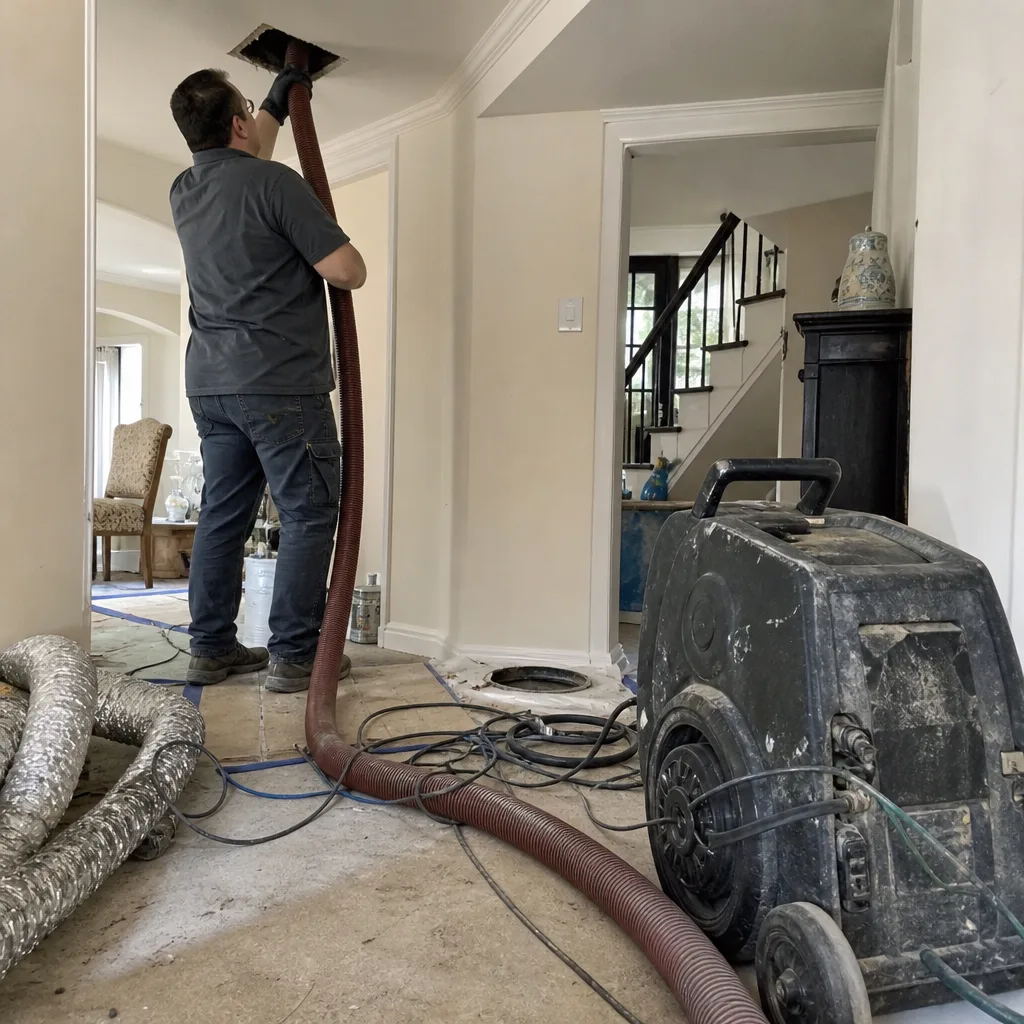 Before
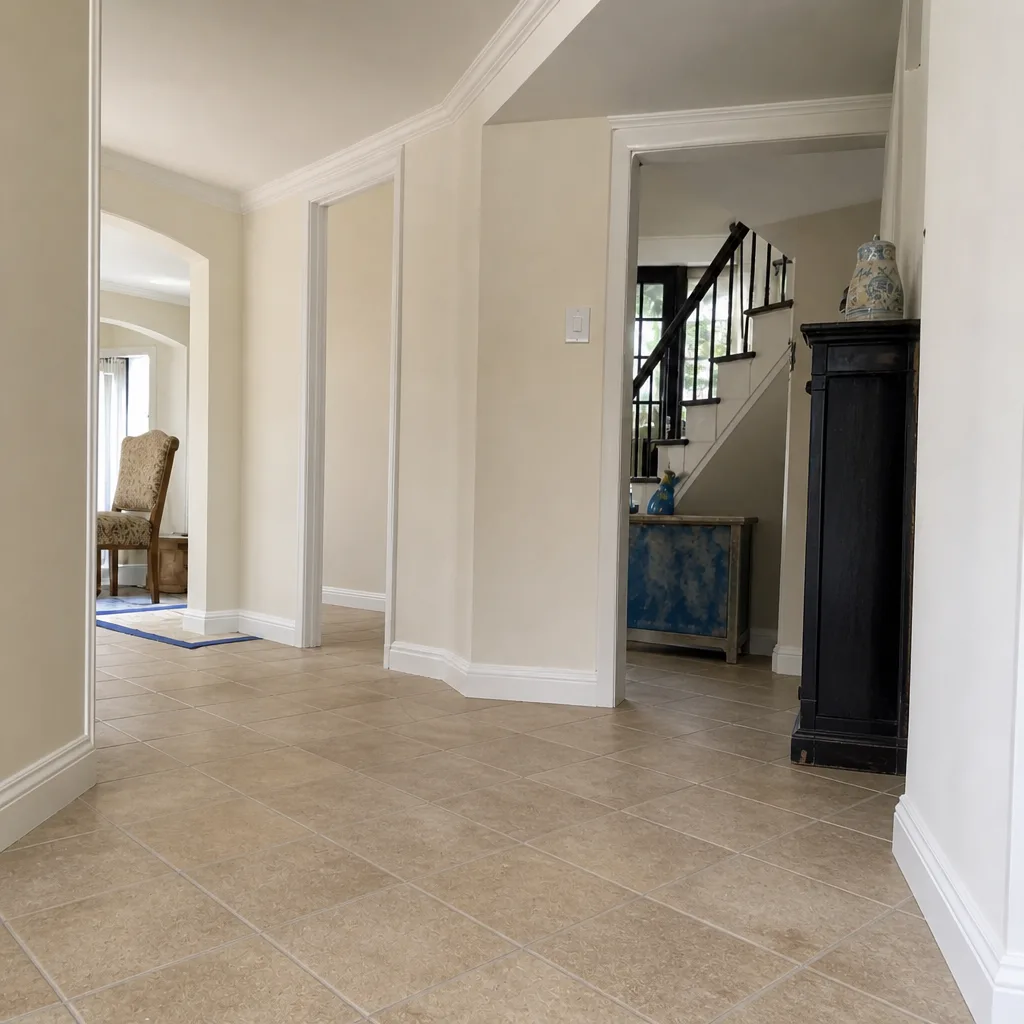 After
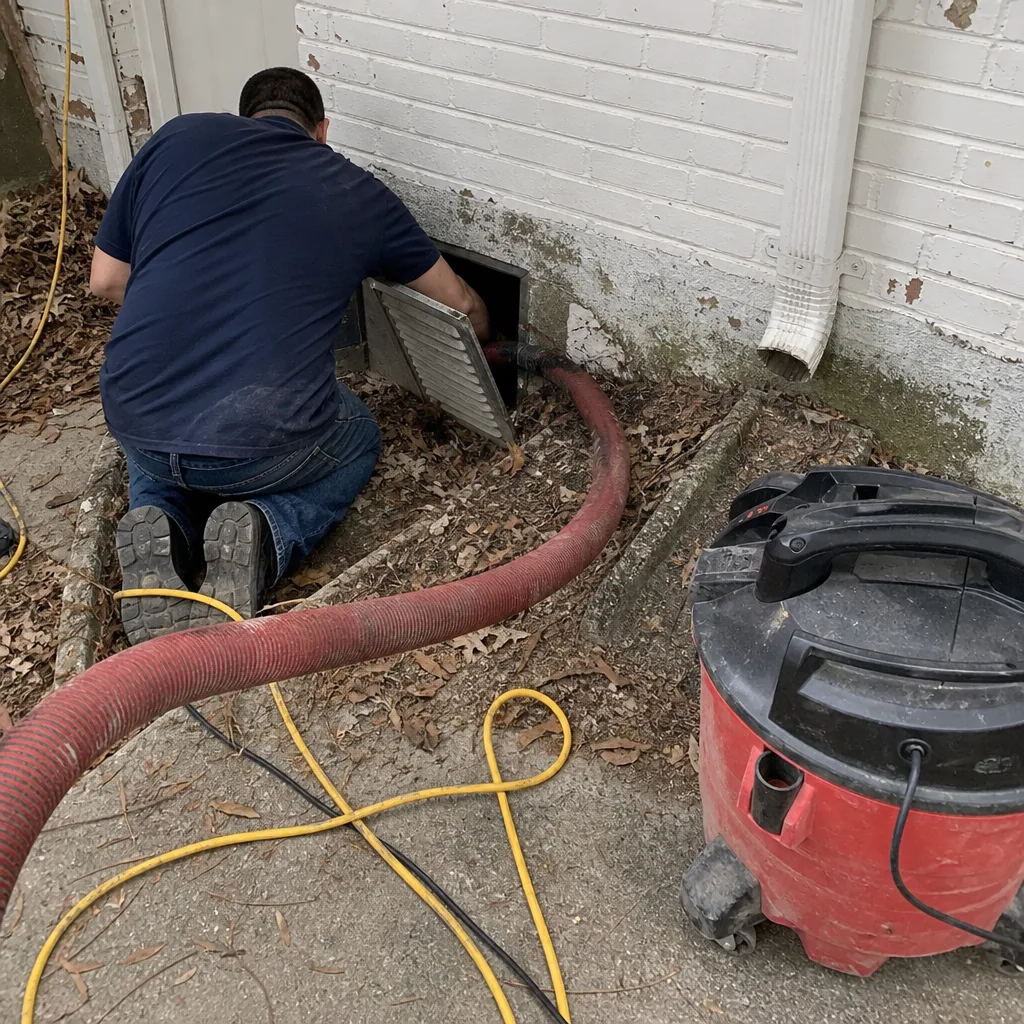 Before
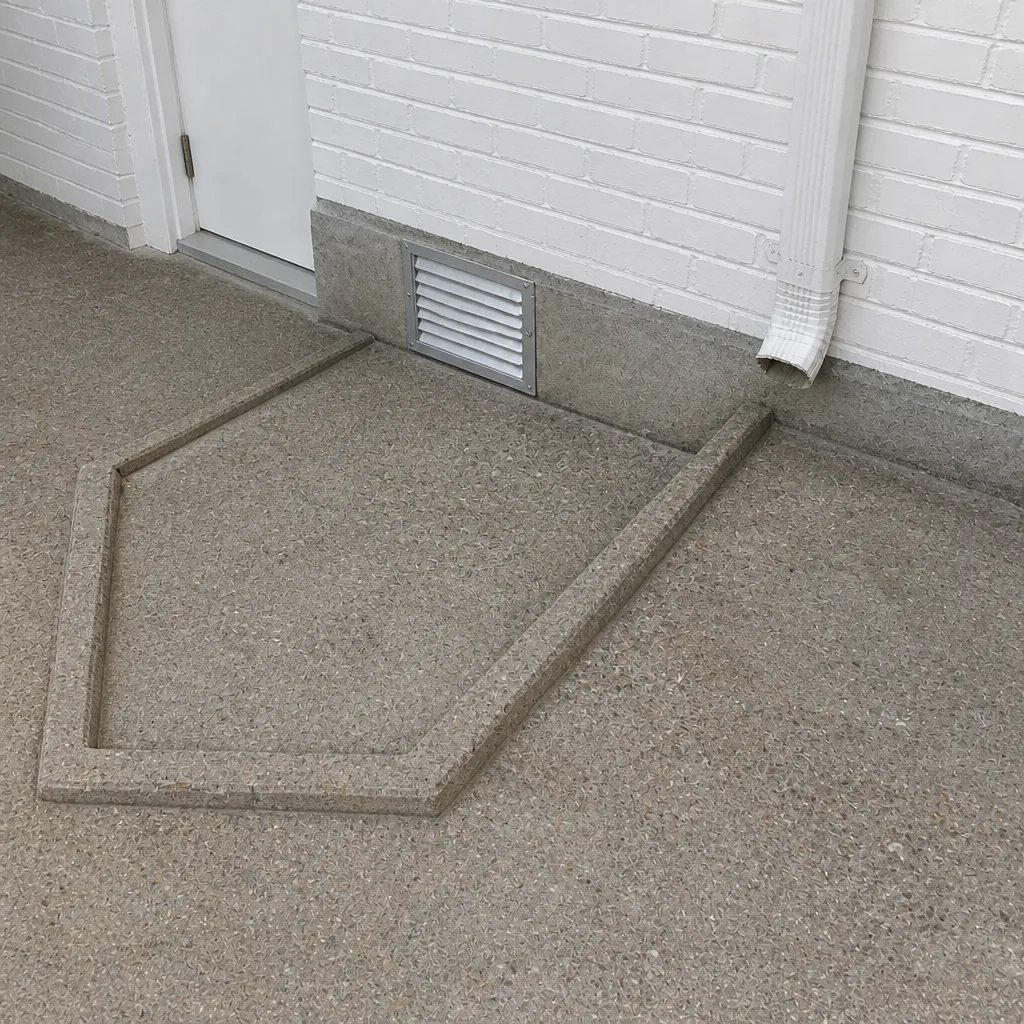 After
 Before
 After