
Last updated November 25, 2026
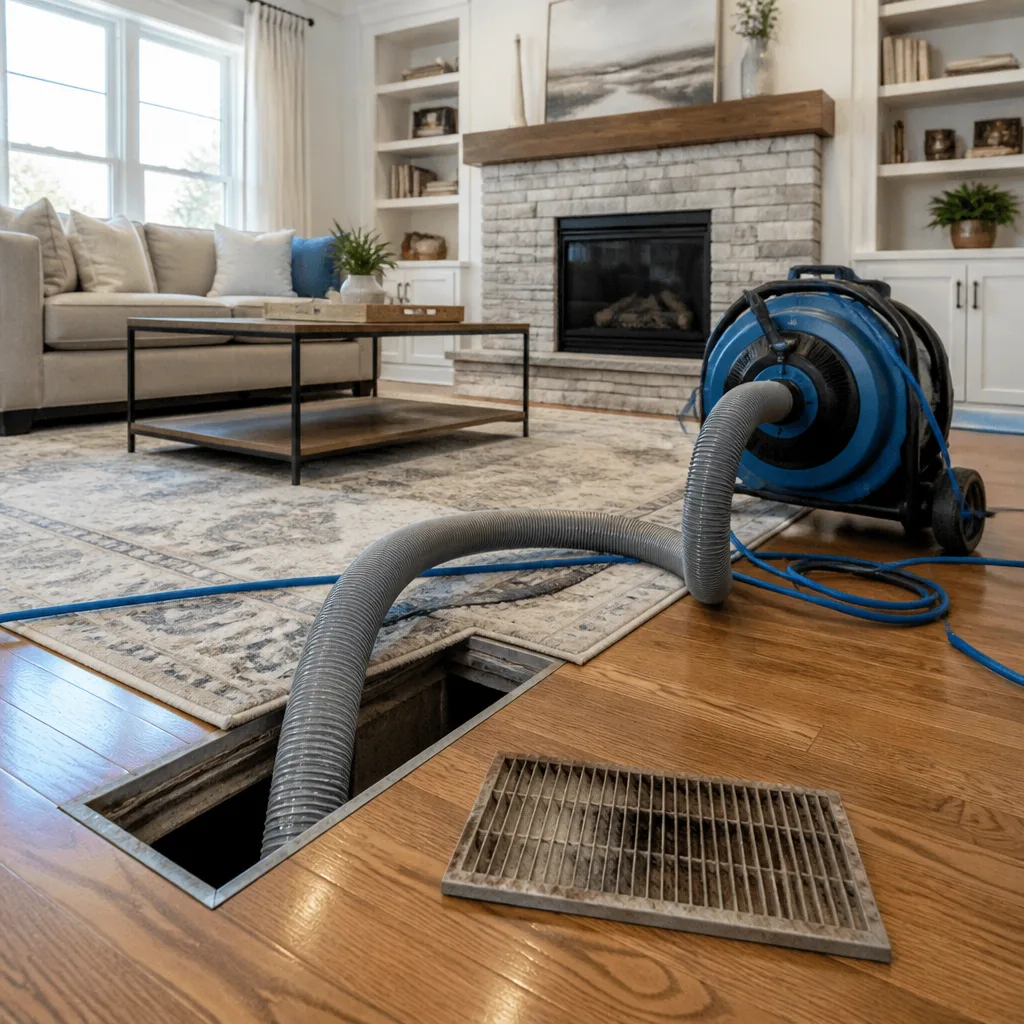 Whole-home duct cleaning
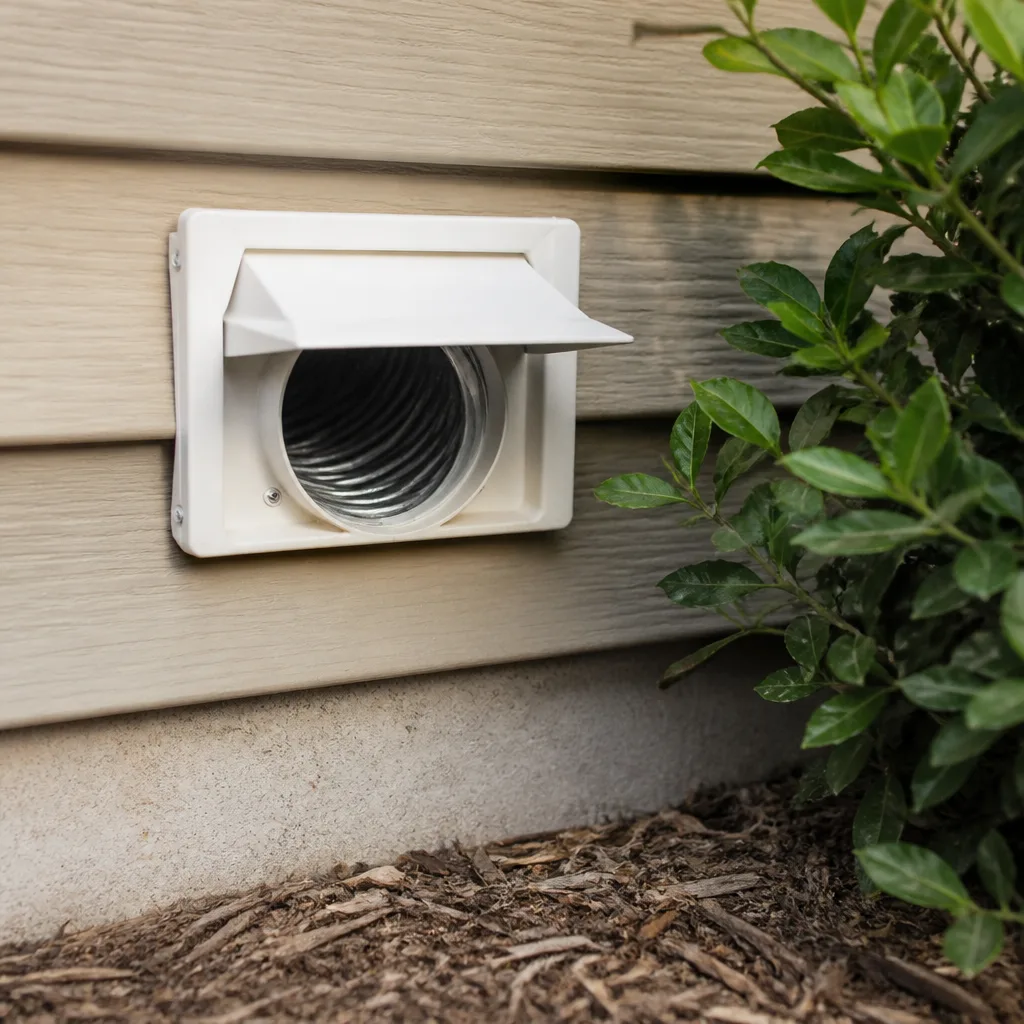 Dryer vent cleaning
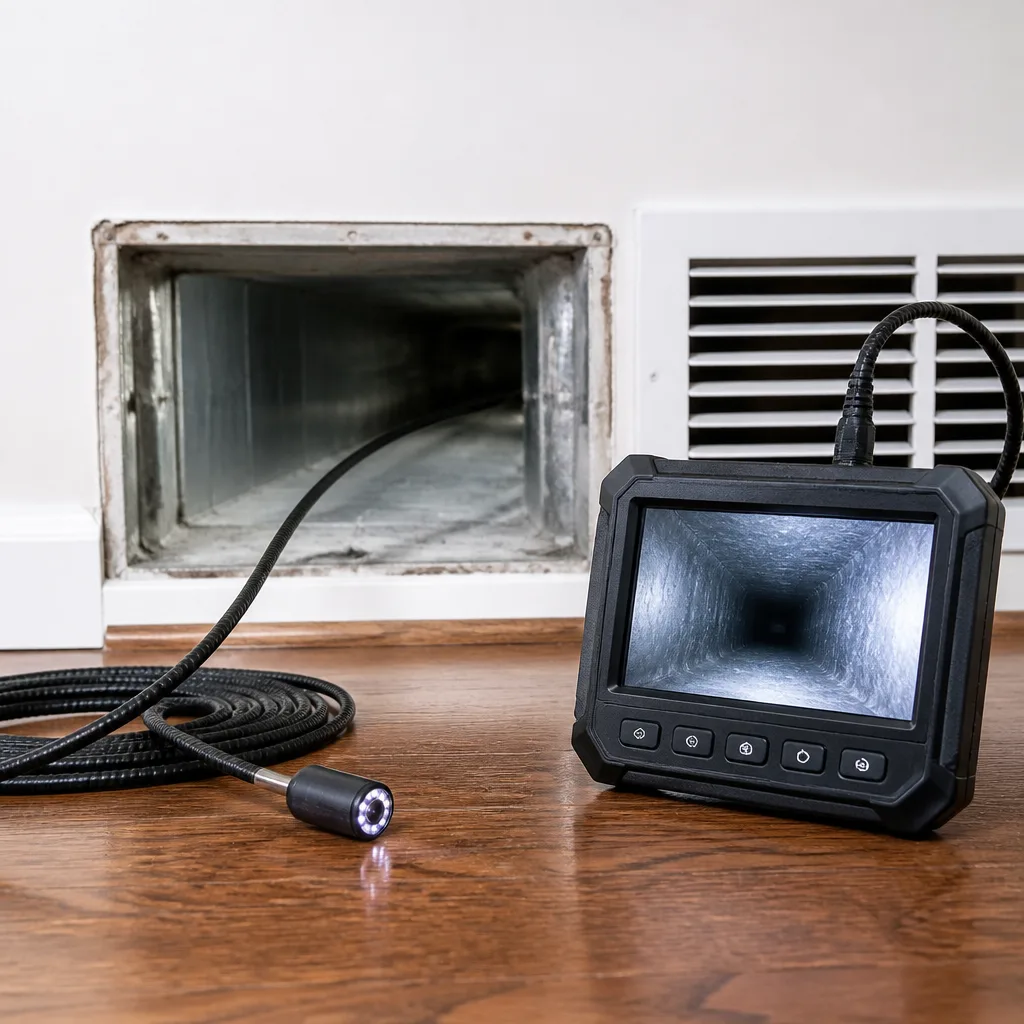 Camera inspection
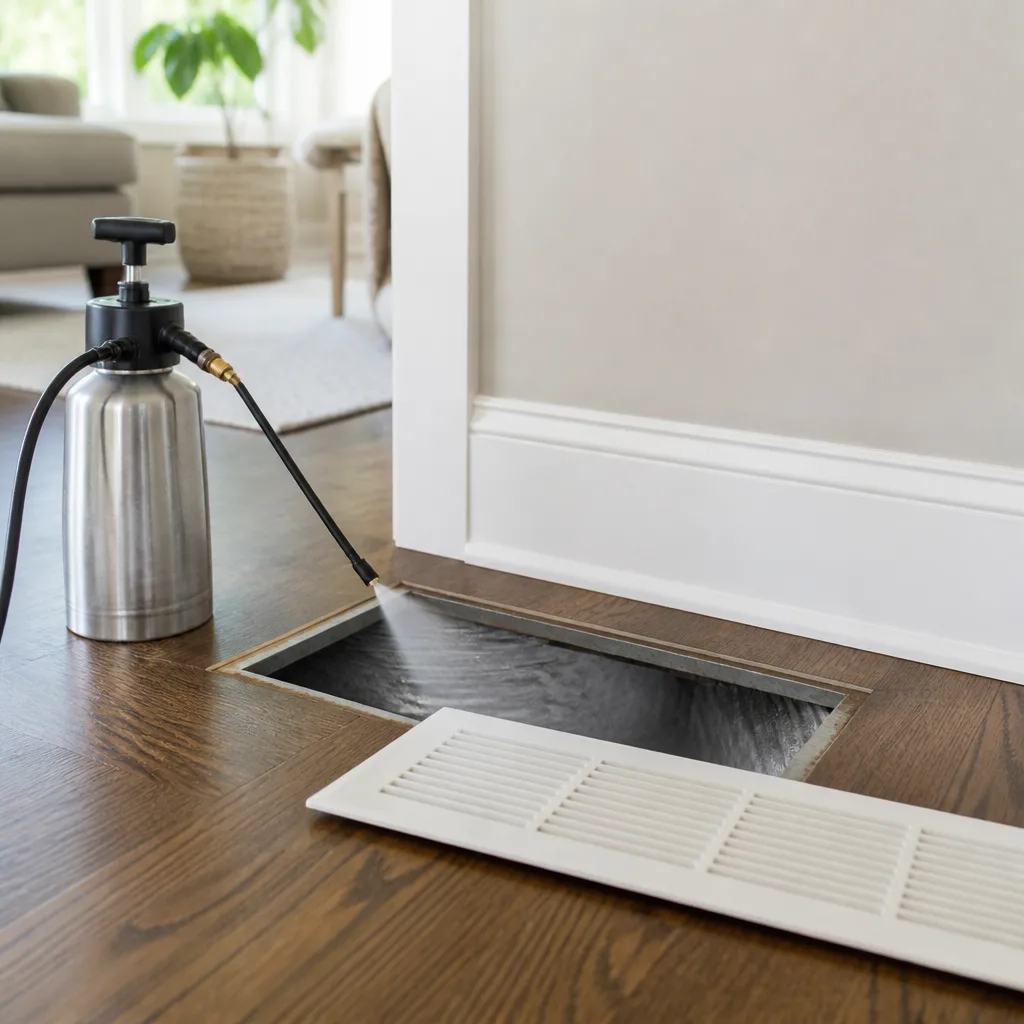 Sanitizing & deodorizing
Whole-system duct and dryer vent check with before-and-after photos - you see exactly what came out of your vents
That "$99 whole-house special" is a bait ad - the real number appears once they are in your hallway, or the "clean" is a shop-vac at the register. We photograph the inside of your ducts before and after instead.
The Complete Guide to Air Duct Cleaning in Preston Hollow
Most people assume duct cleaning is about what’s in the ducts. That’s the smaller half of the job. In Preston Hollow, where estate-sized homes sit under a mature oak and pecan canopy and were built across several decades of HVAC design, the real question is how the whole ventilation system is performing: which zones are losing pressure, where unfiltered air is being pulled in, and whether the original galvanized trunk lines can take high-velocity cleaning at all. You can vacuum a duct and leave the house breathing exactly as badly as before. This guide walks through what a thorough Preston Hollow duct cleaning actually involves, from the return plenum to the post-job report, so you can tell the difference between a $99 coupon and a real system diagnosis.
Quick Answer
Air duct cleaning in Preston Hollow is a whole-system service that should include source removal of debris from every supply and return line, a containment strategy for multi-zone homes, an integrity check on older galvanized ductwork, and a completion step of sealing and sanitizing. A real job finishes with a written report containing before-and-after camera evidence and airflow measurements. If a quote skips any of those steps, it isn’t duct cleaning, it’s contact vacuuming with a receipt.
Styles & brands we work with
- Whole-home duct cleaning
- Dryer vent cleaning
- Camera inspection
- Sanitizing & deodorizing
Table of Contents
- Why Preston Hollow Ductwork Ages Differently
- Source Removal vs. Contact Vacuuming: What’s the Difference?
- How Estate-Scale HVAC Systems Require Zone-by-Zone Isolation
- The Integrity Check Every Older Preston Hollow Home Needs First
- What a Full Duct Cleaning Actually Looks Like, Step by Step
- How to Read a Post-Cleaning Report
- Why Sealing and Sanitizing Are Completion Steps, Not Upsells
- How Often Should You Clean Ducts in Preston Hollow?
Why Preston Hollow Ductwork Ages Differently
Generic duct cleaning advice is written for suburban tract housing built in the last twenty years. Preston Hollow is not that, and the differences matter. The neighborhood’s housing stock spans a wide range of construction eras, and that range shows up in the ductwork itself.
Homes built mid-century in and around the estates often have original galvanized steel trunk lines with branch runs retrofitted as the home expanded. Flexible duct was added later in many of these houses to reach new rooms or converted spaces, so a single Preston Hollow attic frequently contains two or three duct types from three different decades. Add to that the tree canopy: heavy pollen loads in spring, leaf litter that finds its way into exterior returns, and the general dust of a mature neighborhood walking its way into every return grille.
The clay soil and foundation movement in this part of Dallas also matter, because ductwork is attached to the house that moves. A settling foundation can pull a joint apart by an eighth of an inch, and that gap becomes a permanent unfiltered air inlet. We’ve opened attic runs in Preston Hollow homes that were drawing attic air straight into the supply side for years.
What this means practically:
- One service pass won’t’ work. A house with galvanized trunks, flex branches, and multiple air handlers needs a strategy, not a schedule slot.
- Flex duct needs gentler handling than rigid metal, and high-velocity machines can tear it if the technician isn’t’ watching.
- Return leaks matter as much as supply cleaning, because a return leak pulls attic or crawlspace air into the air you breathe.
This is why the guide treats duct cleaning as a diagnostic service. You cannot separate the ducts from the house around them in a neighborhood like this one.
Source Removal vs. Contact Vacuuming: What’s the Difference?
Source removal is the standard that actually matters: physically dislodging and removing contaminants from the duct surfaces, then capturing them so they leave the system rather than get pushed into the rooms. Contact vacuuming is a weaker cousin: a hose is inserted and debris is pulled off whatever the nozzle can touch, without aggressive agitation and without a containment strategy.
The difference is not cosmetic. It’s the difference between a duct that has been cleaned and a duct that has been touched.
| Feature | Source Removal | Contact Vacuuming |
|---|---|---|
| Agitation method | Rotating brush or air whip, matched to duct type | Static hose only |
| Negative pressure | Full-system HEPA negative pressure during work | Often none |
| Flex duct | Low-speed brush, pressure monitored | Usually only surface pull |
| Containment | Air filtration and sealing of every opening | Open rooms, escaping dust |
| Verification | Camera log and airflow readings before and after | “Look inside, it’s clean” |
Why the flex distinction is critical: flexible duct has an inner liner and a wire helix. A rotating brush that is fine for galvanized steel will eat through that liner at high speed, leaving a torn surface that traps debris forever and eventually collapses under negative pressure. Professional source removal adjusts to the duct: aggressive on metal, gentle on flex, gentle-to-moderate on duct board. This is one place where the equipment matters as much as the technique. Rotobrush systems are built with a range of agitation heads because the operators are expected to change heads mid-job. Consumer-grade rigs don’t’ offer the option.
When you compare quotes for air duct cleaning in Preston Hollow, ask which method the crew is using and whether they’ll change tools between metal and flex. The answer tells you almost everything.
How Estate-Scale HVAC Systems Require Zone-by-Zone Isolation
A tract home has one air handler and one trunk. Many Preston Hollow homes have two, three, sometimes four air handlers serving separate sides of the house, with dedicated returns per zone. This is a completely different cleaning problem, and it’s where single-truck operators get lost.
When you connect a vacuum to one return in a multi-zone house without isolating the other zones, you don’t’ create meaningful negative pressure in the system you’re trying to clean. Air flows the path of least resistance, so you end up cleaning the ductwork closest to the vacuum while the far zones sit untouched. The house looks clean on the first zone and gets no service on the rest.
Zone-by-zone isolation solves this. The process works like this:
- Every return opening in the home is sealed, and one point is connected to the negative pressure unit.
- Air handlers and zone dampers are set so the target zone is closed off from the rest of the system.
- Agitation runs in the isolated zone only, with pressure monitored at the vacuum.
- The zone is cleared, photographed, and the next zone is isolated.
- Full-system airflow is verified at each zone once cleaning is complete.
This is why the same equipment used in commercial remediation matters here. Abatement Technologies air filtration units let the operator run true negative pressure across an entire zone, not just a hose-length worth of duct. The zone-by-zone pass takes longer than a one-shot vacuum, which is one honest reason quotes differ so much. A cheap quote usually means one vacuum pass for a house that needed four.
The same logic applies when you move into HVAC cleaning, because the air handler itself is part of the airflow path. A clean set of ducts pulling air through a filthy evaporator coil is a compromised job.
The Integrity Check Every Older Preston Hollow Home Needs First
Before any high-velocity equipment goes into a duct, the duct has to be able to take it. This is not upselling; it’s the difference between cleaning a system and damaging it.
Older Preston Hollow homes are the ones that most need cleaning and also the ones most likely to have ductwork that high-velocity equipment will compromise. The building materials in the neighborhood span generations of HVAC installation practice. Galvanized metal that has been repeatedly joined and re-sealed can have failing seams. Flex duct installed in the 1980s and 1990s often has brittled liner. Duct board from certain eras loses its internal integrity with age. Any of these can fail under aggressive cleaning.
What the pre-job integrity check covers:
- Camera inspection of a sample of runs across both trunk and branches.
- Pressure testing at the return plenum to quantify existing leakage.
- Visual inspection of accessible joints and connections in attic and crawl spaces.
- Type identification per run so the operator selects the correct agitation tool.
If the check finds duct that can’t’ take a brush, the correct response is air duct cleaning with a gentler method plus a duct repair and sealing scope, not to skip the cleaning or to run the equipment anyway. In practice, about half the homes like this get a repair scope before cleaning can be finished properly.
If you suspect duct damage – you’re seeing attic dust leaking through ceiling vents, you feel weak airflow in a specific room, or you hear rattling through the ducts when the system runs – the integrity check is where the diagnosis starts.
What a Full Duct Cleaning Actually Looks Like, Step by Step
Here’s the sequence for a proper Preston Hollow job. Not every home needs every step, but a quote that skips more than two or three of these is a limited service.
- Initial walkthrough and system mapping. Every air handler, every return, every zone is identified and photographed. The home’s duct types are noted run by run.
- Negative pressure setup. A HEPA filtration unit is connected to the main return, and all other openings are sealed. Every return grille and supply register is covered through the job.
- Zone isolation. For multi-zone homes, one zone at a time is put under pressure for cleaning. No zone is skipped.
- Source removal, matched to duct type. Rotating brush on metal, low-speed brush on flex, air whip where appropriate. Heads are changed as the run type changes.
- Return cleaning. Returns are often the dirtiest part of the system and get the same source removal treatment as supply trunks.
- Air handler cleaning. Evaporator coil, blower, and drain pan are checked, cleaned as needed, and returned to spec airflow.
- Camera verification. Every zone is re-inspected on camera and a full log is recorded for the report.
- Sealing. Any leak found is sealed – joints, register boots, and return connections. This is where airflow improvement becomes durable.
- Sanitizing. A Guardsman-grade sanitizing treatment is applied to the cleaned duct surfaces. Not every home needs this step, but every home that does need it needs it at this point in the job, not before.
- Final airflow verification. CFM readings at each zone, compared to the pre-job baseline, appear in the written report.
If any of these steps would require a scope the customer didn’t’ expect – duct repair, additional air handler cleaning – it belongs on the written estimate before the work continues, not as a surprise at the end. The pricing rule is one flat price per system agreed before work starts.
How to Read a Post-Cleaning Report
The report is the receipt for a real job. Most duct cleaning companies hand over a carbon-copy invoice with a line item and no evidence. A proper report includes these components.
Airflow readings
Every zone should have a pre-job and post-job CFM (cubic feet per minute) reading at its register. If there’s meaningful improvement, the numbers show it. If there isn’t’, the report should explain why – sometimes there’s nothing to improve, and the honest answer is that the ducts were clean to begin with. A report that shows no before-and-after numbers for airflow isn’t’ documenting where the air went.
Particulate counts
Some jobs benefit from a particulate counter reading at the return grille before and after the job. Not every home needs this, but on a house that’s been noticeably dusty and where the homeowner is paying for a diagnostic approach, it’s a useful measurement. It’s a measurement, not a marketing number – both readings go in the report.
Camera inspection log
The camera log should show interior shots for each zone, labeled by zone and by run type. A minimum coverage: the main trunk of each zone, one representative branch per zone, and the return connection point. Before-and-after pairs for each. A photo of one duct with a shiny metal interior is not a log, it’s a marketing image.
Scope and deviations
Anything found and left alone – a flex run too damaged to clean without replacement, a coil that will need replacement rather than cleaning – should appear as a documented recommendation, not dropped silently. This is where a diagnostic duct cleaning service separates itself from a cleaning-only outfit.
Why Sealing and Sanitizing Are Completion Steps, Not Upsells
Cleaning a duct system without sealing it is like washing a car and driving it back through the mud. Sealing and sanitizing are what keep the cleaning from being temporary.
Sealing matters because every leak in the system is an unfiltered air intake. In a Preston Hollow home, a return-side leak in the attic pulls hot attic air into the air you breathe in the summer. A supply-side leak pushes conditioned air into the attic and leaves the room short. Both are measurable, and both are fixable with mastic, proper mesh, and register boots attended to. The goal is system pressure integrity, not a fancy word.
Sanitizing matters when the camera inspection finds what we’re looking for: microbial growth on wet duct surfaces, rodent evidence in a return line, or the sticky residue left by decades of dust bonded to condensate. Not every home needs it. But when the diagnosis calls for it, the treatment is part of the completion scope and uses a product with a track record – we use Guardsman-grade products because the chemistry is documented and the surfaces are safe after drying.
Neither sealing nor sanitizing is an optional add-on if the diagnostic calls for them. If either one is offered as a separate paid line item before the inspection, that’s a sales funnel, not a duct cleaning. If they appear in the report as the correct next steps, that’s a diagnosis.
Homes with ongoing IAQ goals benefit from one more step: upgrading filtration with Honeywell or Aprilaire filter media, or adding whole-home humidification or ventilation control where the ducts are the delivery system. That’s’ beyond cleaning, but it’s part of the same system.
How Often Should You Clean Ducts in Preston Hollow?
There’s no universal answer, and any company that says “every year” is selling a subscription, not a service. The honest rule is that a duct system should be inspected on a roughly 3-5 year cycle and cleaned when the inspection says it needs it. Some Preston Hollow homes go a decade without needing cleaning; others – homes with pets, remodels in progress, or a history of return leaks – need it sooner.
Special cases that move up the schedule:
- After any renovation. Drywall dust finds its way into every duct in the house during a remodel, and it doesn’t come out on its own.
- After rodent activity in the attic or crawlspace. Any evidence of animals in the duct system is a source-removal job, not a wait-and-see.
- After a water intrusion event affecting HVAC equipment. Sanitizing scope enters the conversation.
- When a room suddenly has weak airflow compared to the rest of the house. That’s a diagnosis issue, not a schedule issue.
The same conversation applies to dryer vent cleaning, which is the other major airflow line in most homes and one that gets neglected longer than any duct. A dryer vent that hasn’t been looked at in years is often the more pressing call, and it’s cleaned with the same style of equipment.
Common Mistakes to Avoid
- Buying on the coupon price. A teaser coupon price that grows once the technician is in the attic is the industry’s oldest move. Insist on a written estimate before the job starts and confirm it’s per-system, not per-vent.
- Letting one vacuum pass cover a multi-zone house. In a Preston Hollow home with two or three air handlers, a single pass leaves most of the system untouched. Ask specifically how zones get isolated.
- Skipping the integrity check on original galvanized ductwork. High-velocity equipment can pull a failing seam apart just as easily as it can clean a good one. The check is what keeps the job honest.
- Accepting a report without a camera log. If you can’t’ see the inside of your own ducts in the final report, you have no way to know the work happened.
- Treating sealing as an upsell. If the report documents a leak and the cleaning was done without fixing it, the return leak keeps pulling attic air into the house. The job wasn’t’ finished.
- Sanitizing before cleaning. Sanitizer applied to a contaminated duct surface is wasted chemistry. Cleaning happens first, then sanitizing on clean surfaces.
- Ignoring the air handler. The ducts are the pipes; the air handler is the engine. A clean duct system behind a filthy evaporator coil still delivers compromised air.
See the difference
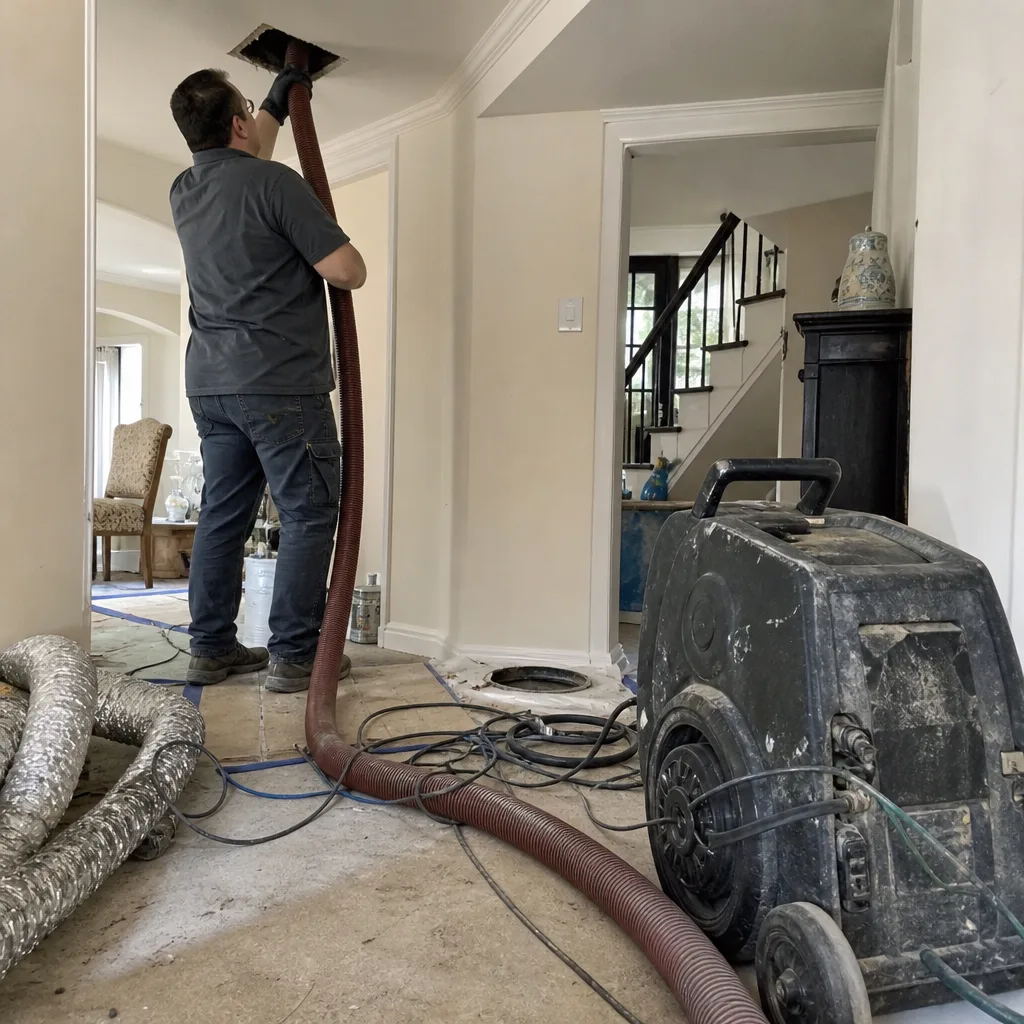 Before
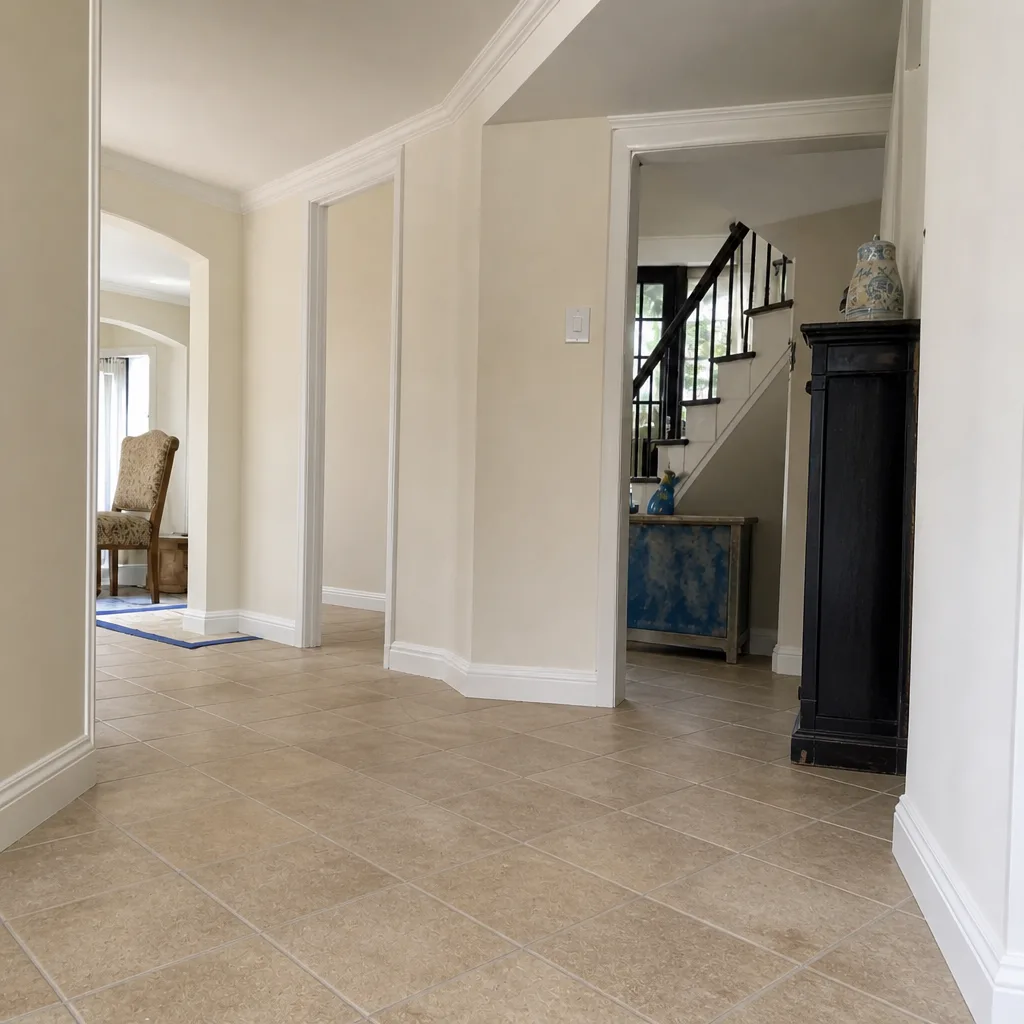 After
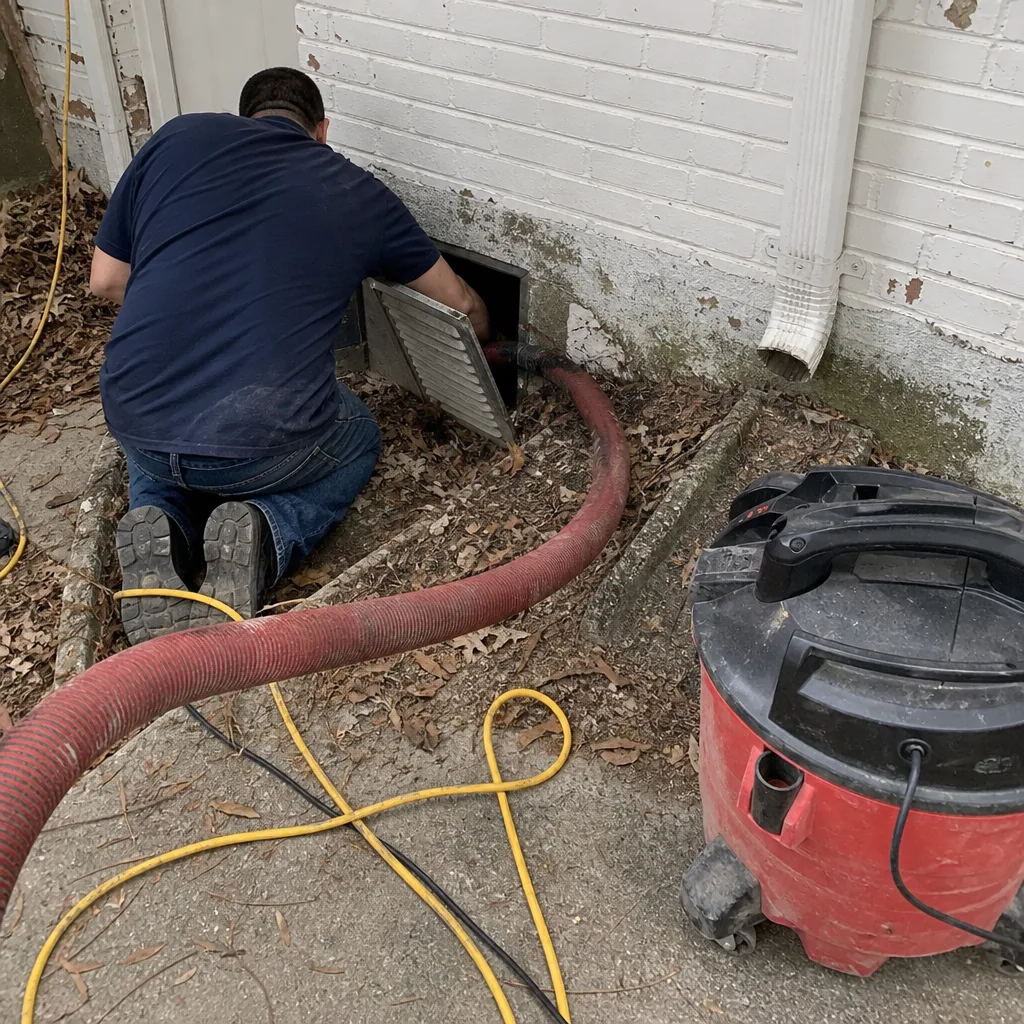 Before
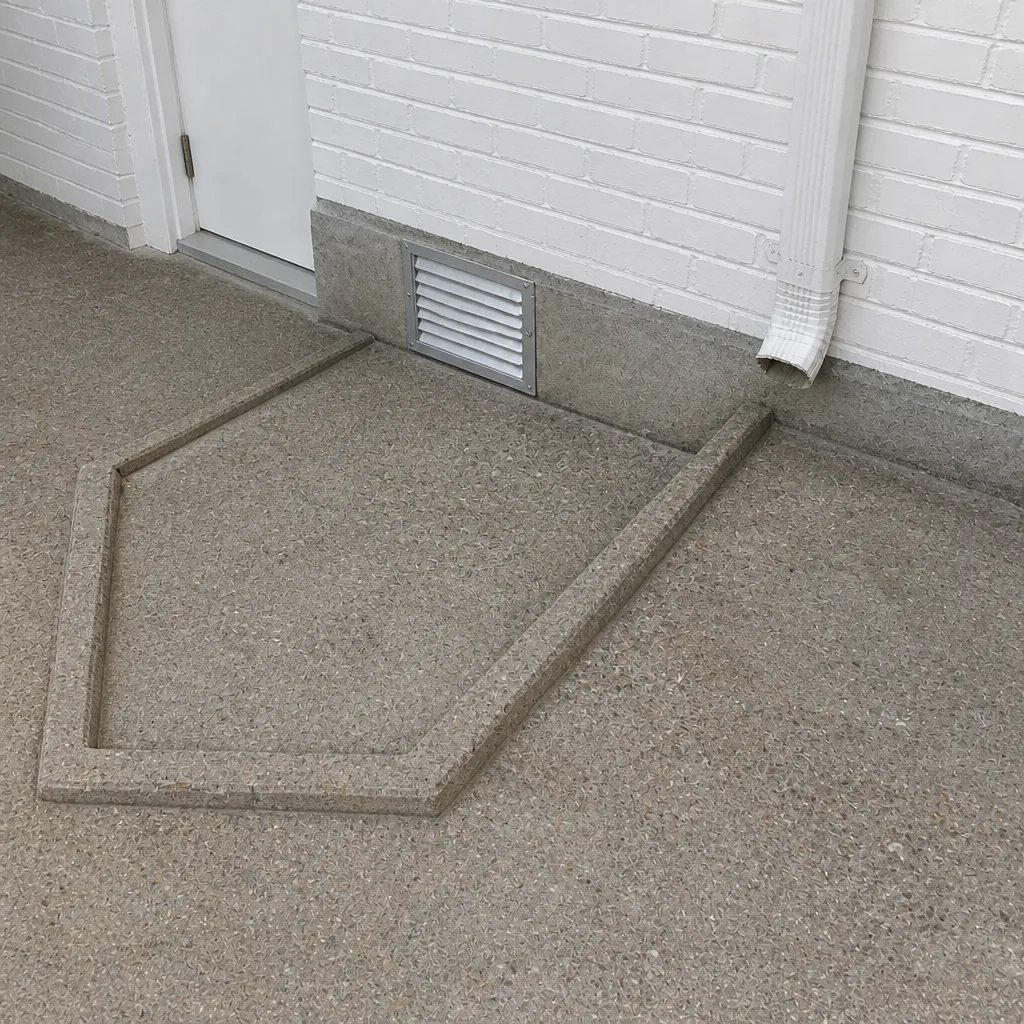 After
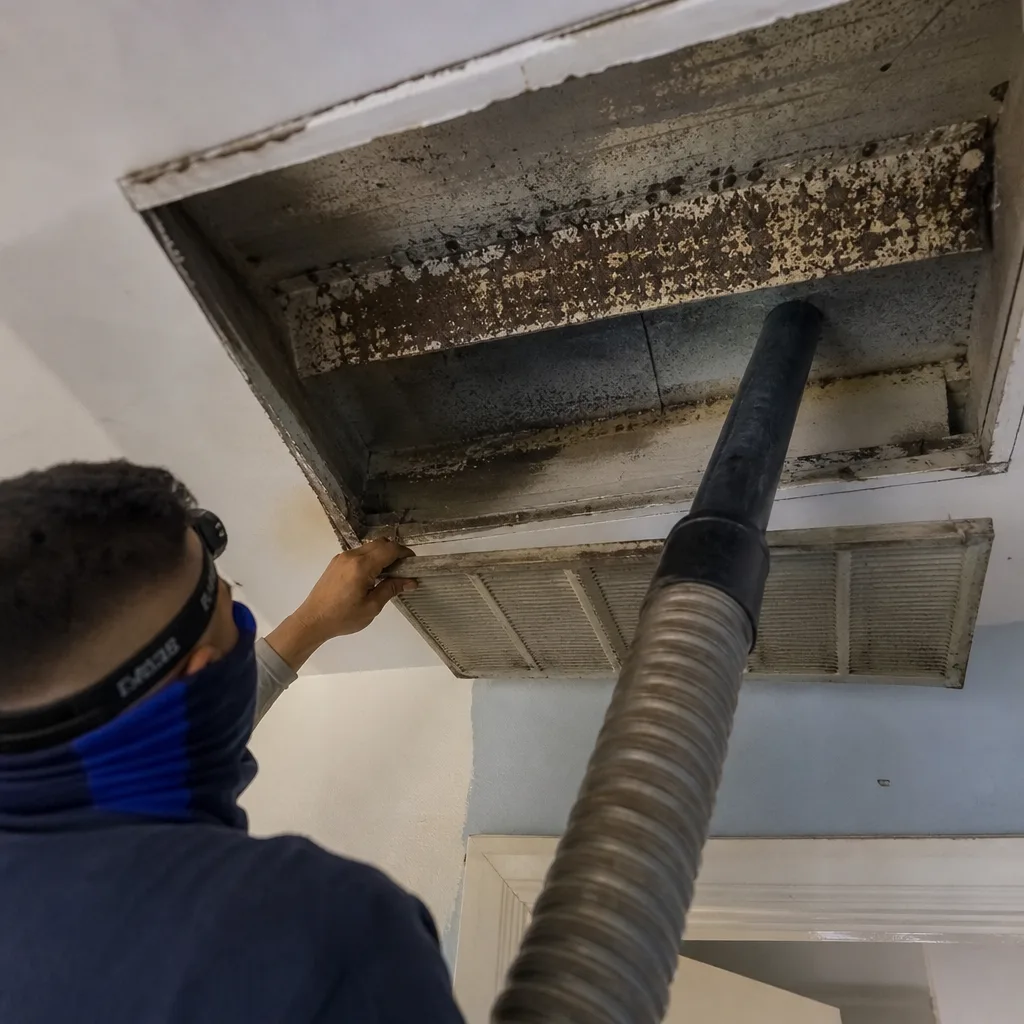 Before
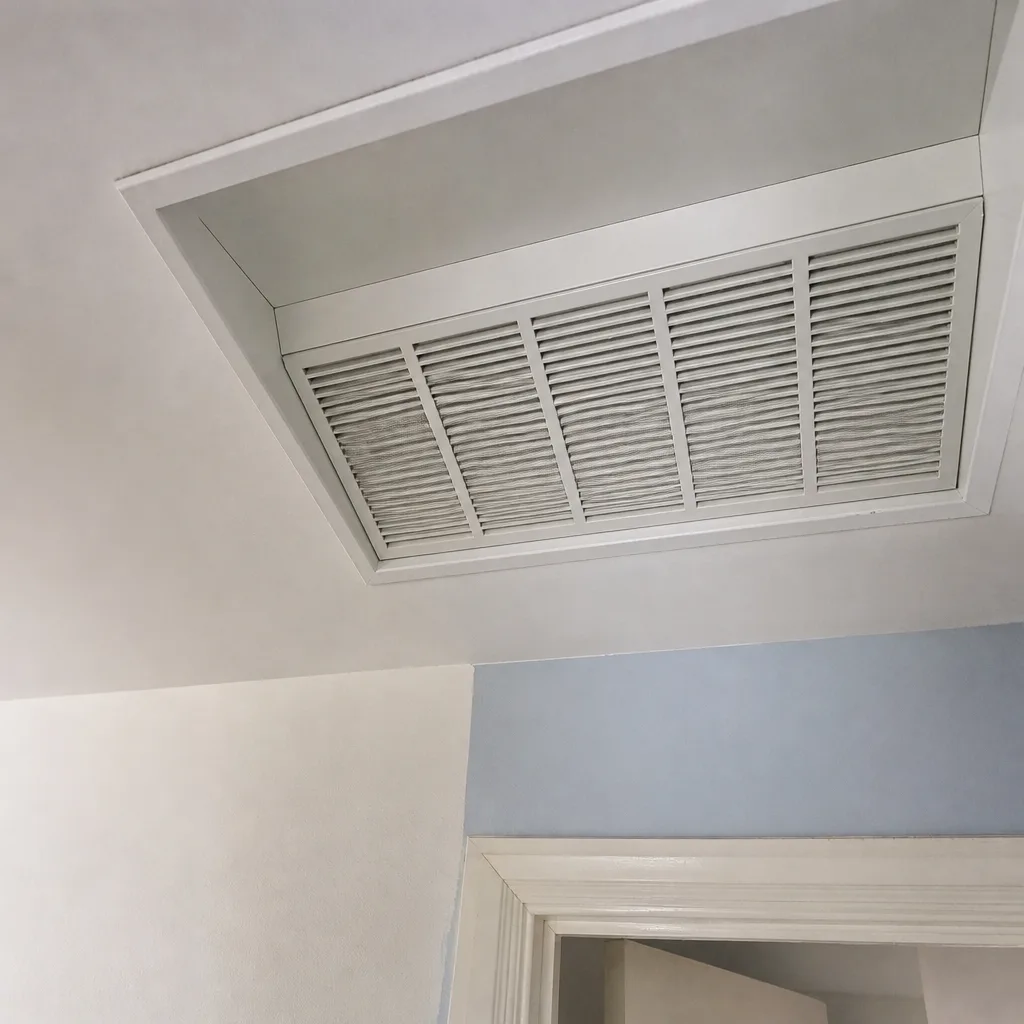 After
When to Call a Professional
Call a professional when the duct system is showing signs that the contamination is coming from inside the ducts, not from the room. That means visible dust streaks at the registers, a musty smell that appears only when the system runs, weak airflow in specific rooms that used to be fine, or evidence of rodents in the attic or crawl space. For Preston Hollow homes with original ductwork, the call should happen before any cleaning is attempted – the integrity check is what keeps the job safe. If you’re seeing this checklist match, a real diagnostic is warranted. Air Duct Cleaning Preston Hollow offers free estimates in Preston Hollow – call (833) 513-8108. We answer 24/7. Fast dispatch from 7am to 7pm, Sunday through Friday. Our technicians have up to 12 years of experience on systems like the ones in your neighborhood.
Frequently Asked Questions
Most Preston Hollow duct cleanings fall in the range of a few hundred to roughly a thousand dollars per system, depending on the number of zones, whether duct repair and sealing is scoped, and whether sanitizing is called for after inspection. A multi-zone estate home will be at the higher end because each zone has to be isolated and cleaned. The written estimate sets the final price, and pricing is per system, not per vent. Call (833) 513-8108 for an exact quote – estimates are free.
Cheap quotes usually skip steps. Typically the skipped pieces are zone isolation on multi-zone homes, the pre-job integrity check, negative pressure containment, and the post-job camera and airflow report. What you get for a low price is a single vacuum pass with a hose, not source removal. Before comparing prices, compare scope: ask each company how they isolate zones and what their final report includes. Call (833) 513-8108 to walk through a real Preston Hollow scope.
You know because you have camera evidence of the inside of your own ducts, labeled by zone, before and after. A proper report also includes airflow readings at each register, taken before and after the job. Without those two components in a written document, you’re trusting a receipt. Call (833) 513-8108 for a free estimate and we’ll show you what the report looks like.
Roughly every three to five years for most homes, and sooner after a remodel, after rodent activity, or if the ducts were damaged and repaired. There is no reason to clean yearly unless something has happened to contaminate the system again. Call (833) 513-8108 for a free estimate if you’re unsure whether your home is due.
Yes, when the job starts with an integrity check. Original galvanized ductwork is safe to clean with the right equipment and the right technique, but not every duct can take high-velocity cleaning without inspection first. The check is standard on our jobs. Call (833) 513-8108 for a free estimate and we’ll explain what the inspection covers.
Cleaning removes contaminants from the duct surfaces; sanitizing treats those surfaces with a product that reduces microbial growth after cleaning. Sanitizing only makes sense on a clean duct, which is why it happens after the source removal step, not before. Not every home needs it. Call (833) 513-8108 for a free estimate and we’ll tell you honestly whether your home does.
The Bottom Line
Air duct cleaning in Preston Hollow is a diagnostic service, and the neighborhoods’ mature housing stock is what makes the diagnosis matter. Zone isolation for multi-zone homes, an integrity check before high-velocity cleaning, source removal matched to duct type, and a completion report with camera and airflow evidence – that combination is what separates a real job from a coupon special. Sealing and sanitizing belong in the same scope, done after cleaning, when the inspection calls for them. If you’re ready to see what’s actually in your ducts, call (833) 513-8108 for a free estimate. One flat price per system, agreed before work starts, with before-and-after photos of your own ducts. Our technicians have up to 12 years of experience and use the equipment standard in professional remediation work.
Related Reading
If you want to go deeper on the related areas of indoor air quality and airflow, the guides on Air Duct Cleaning Preston Hollow and the residential service list cover the full scope of what we handle. The other airflow line in the home is the dryer vent, and it’s covered in the dryer vent cleaning guide. For the air handler side of the system, HVAC cleaning explains what’s involved.
Written by the team at Air Duct Cleaning Preston Hollow.