
Last updated November 25, 2026
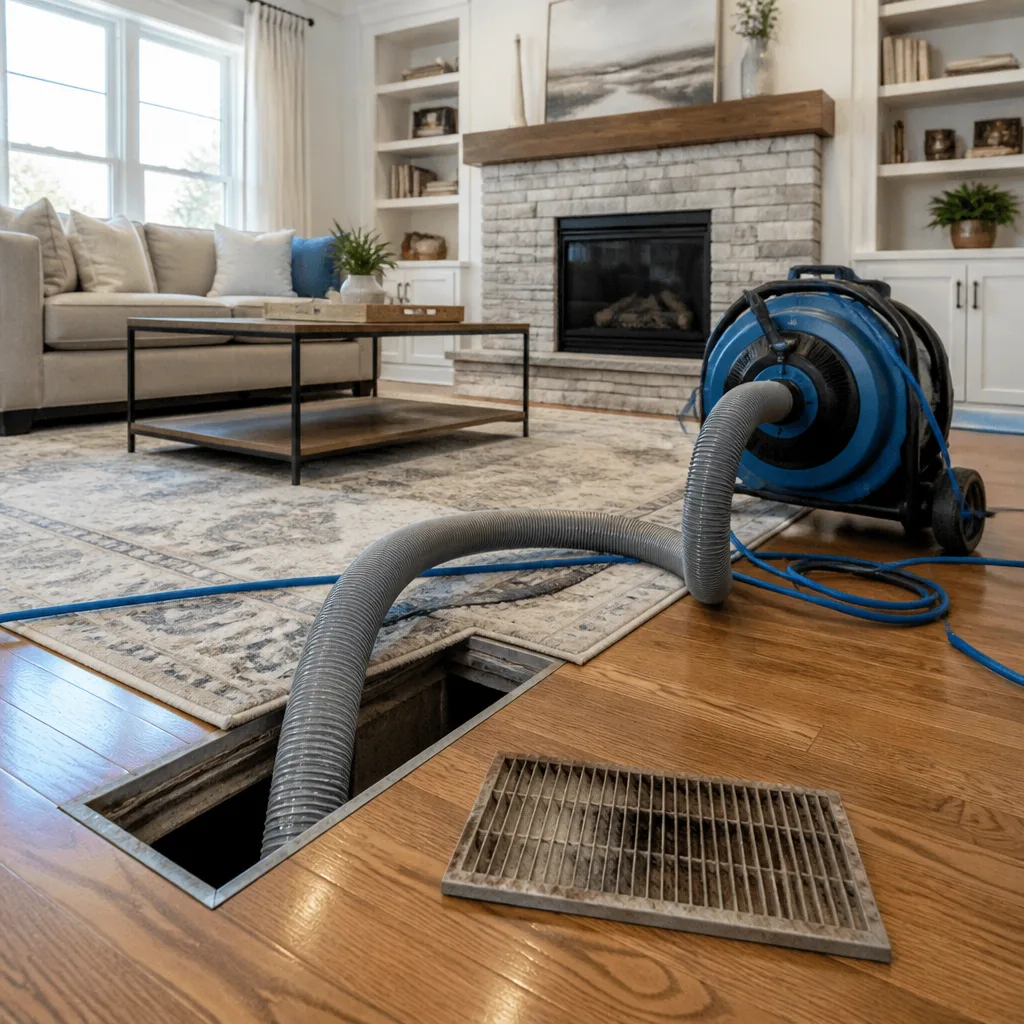 Whole-home duct cleaning
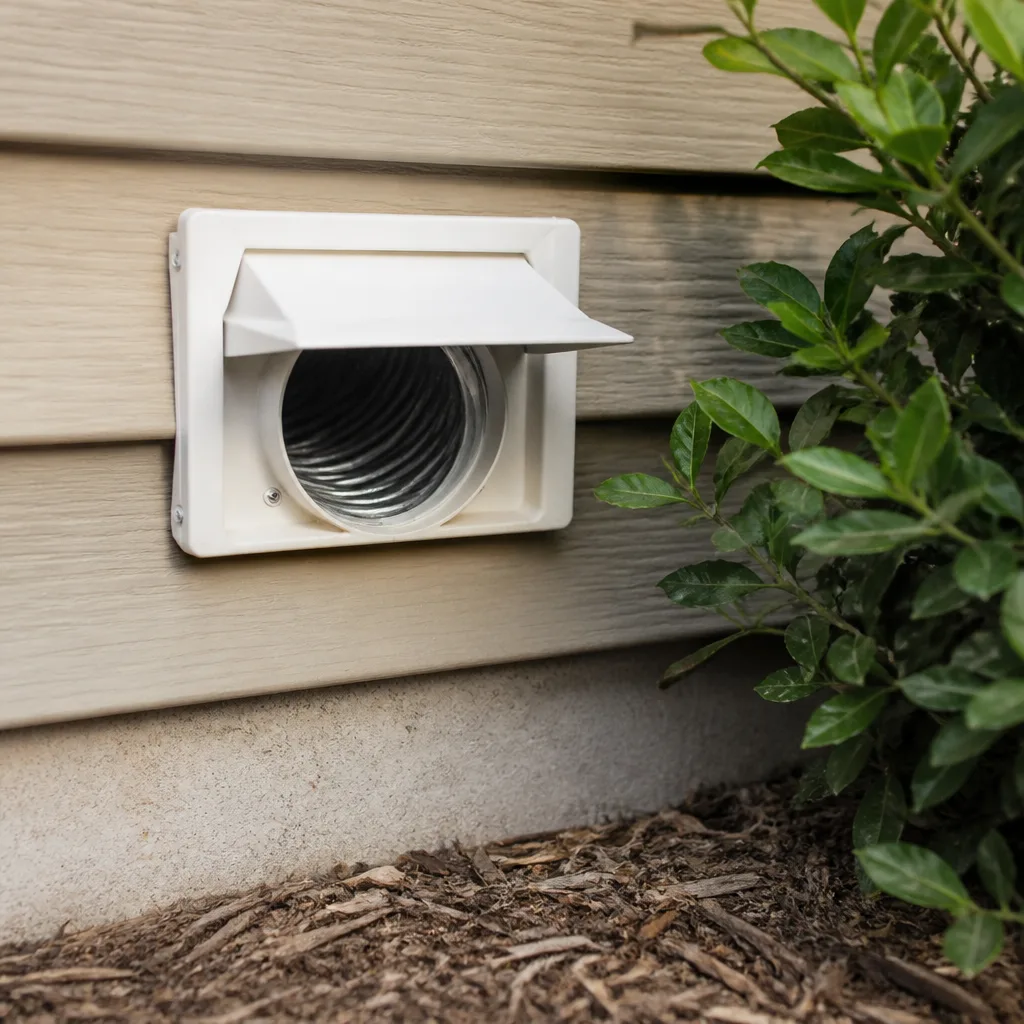 Dryer vent cleaning
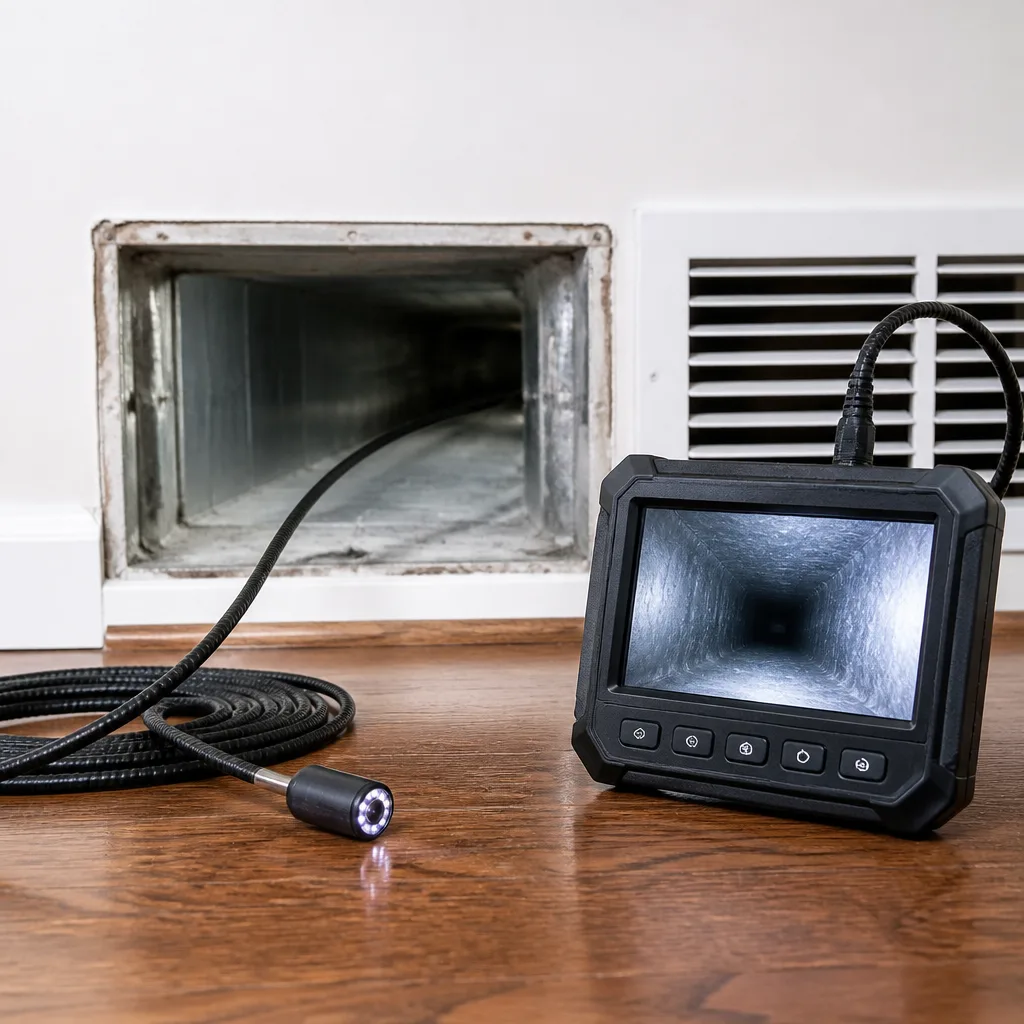 Camera inspection
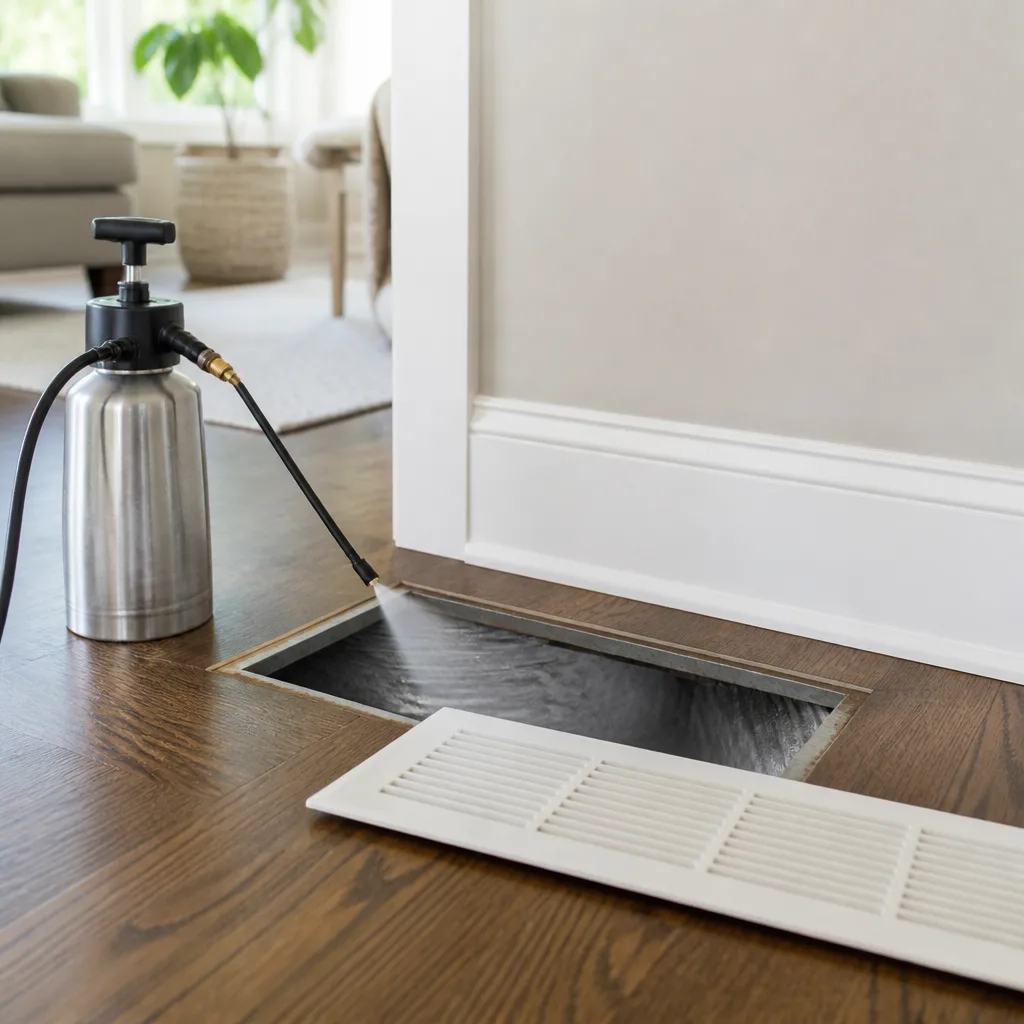 Sanitizing & deodorizing
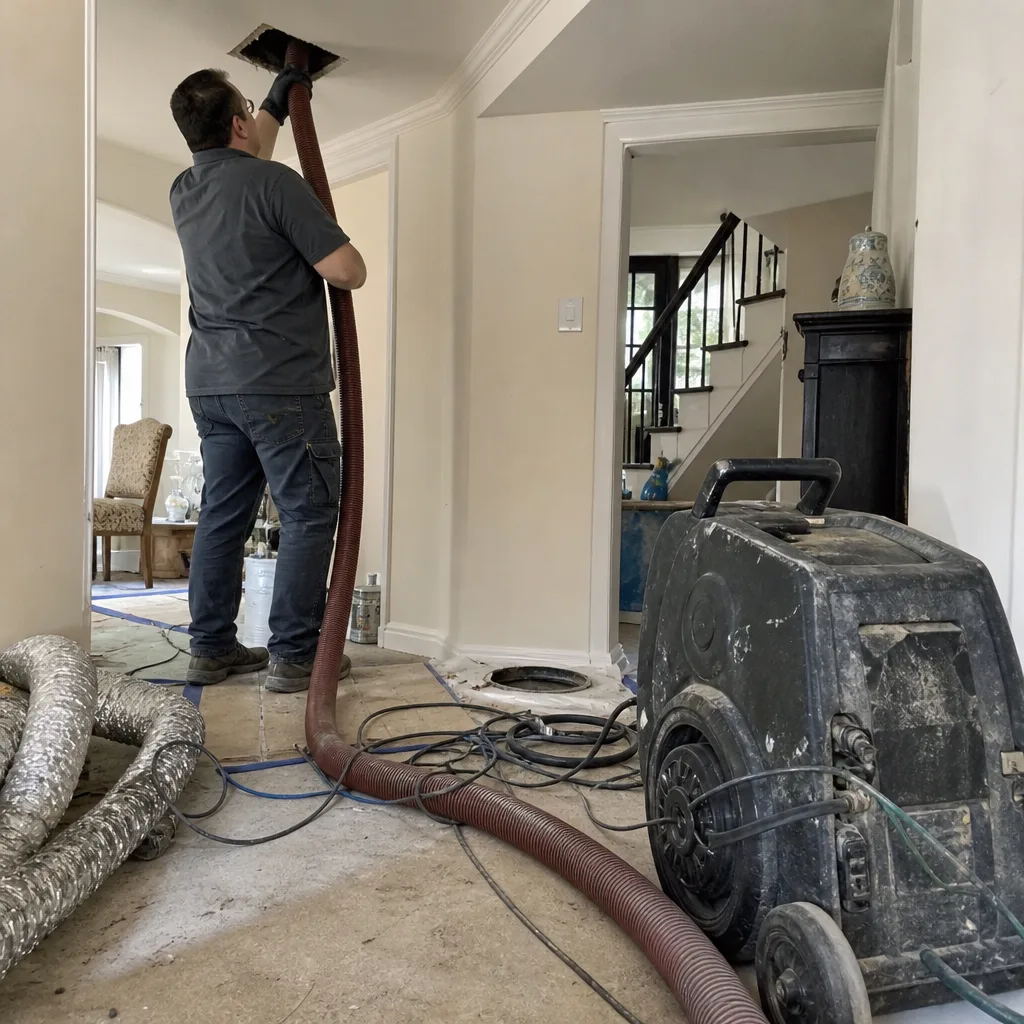
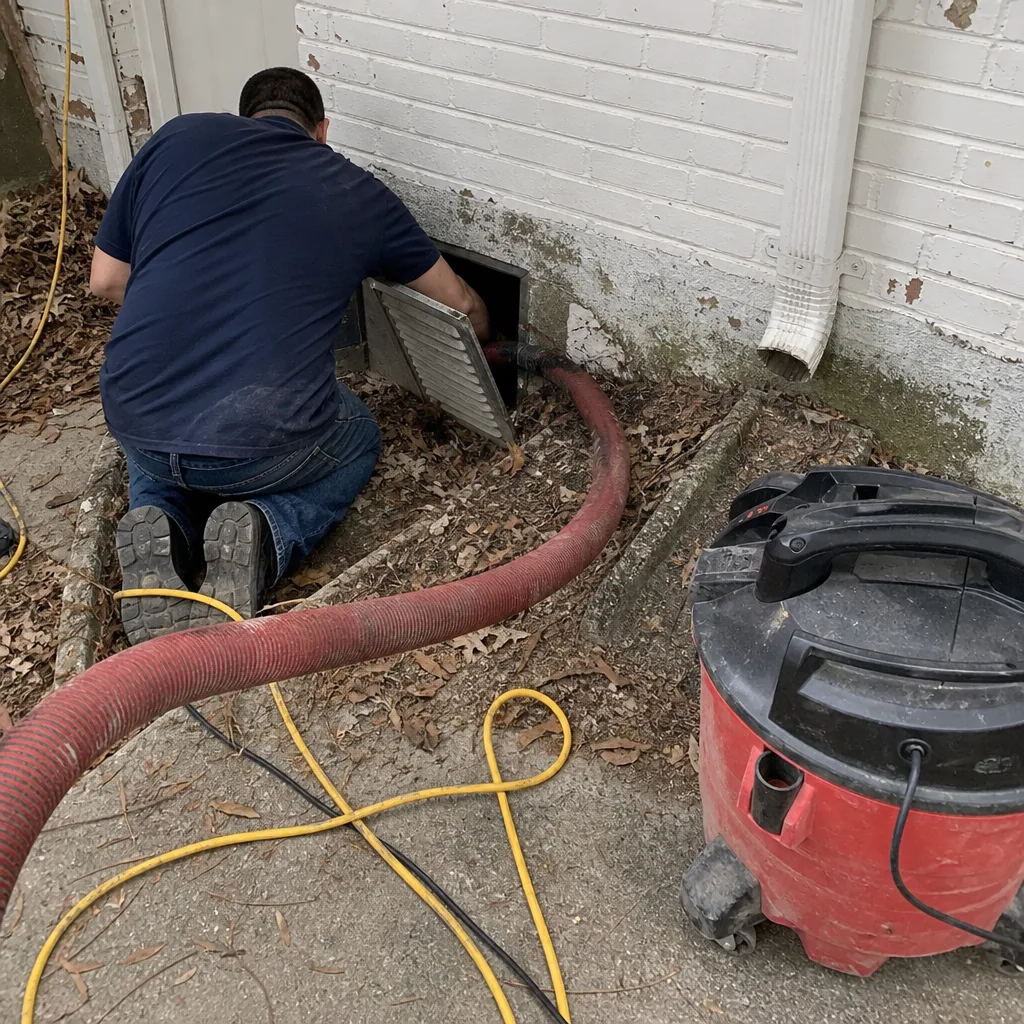
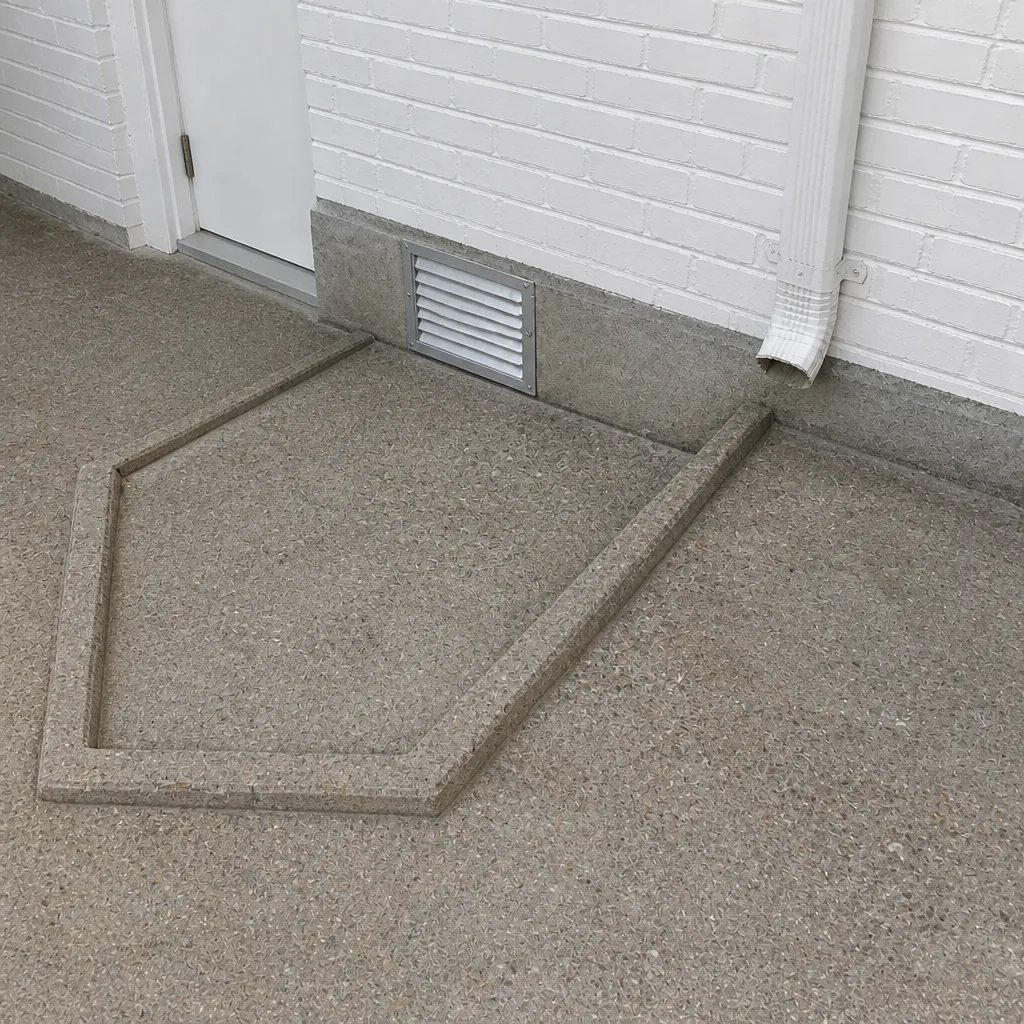
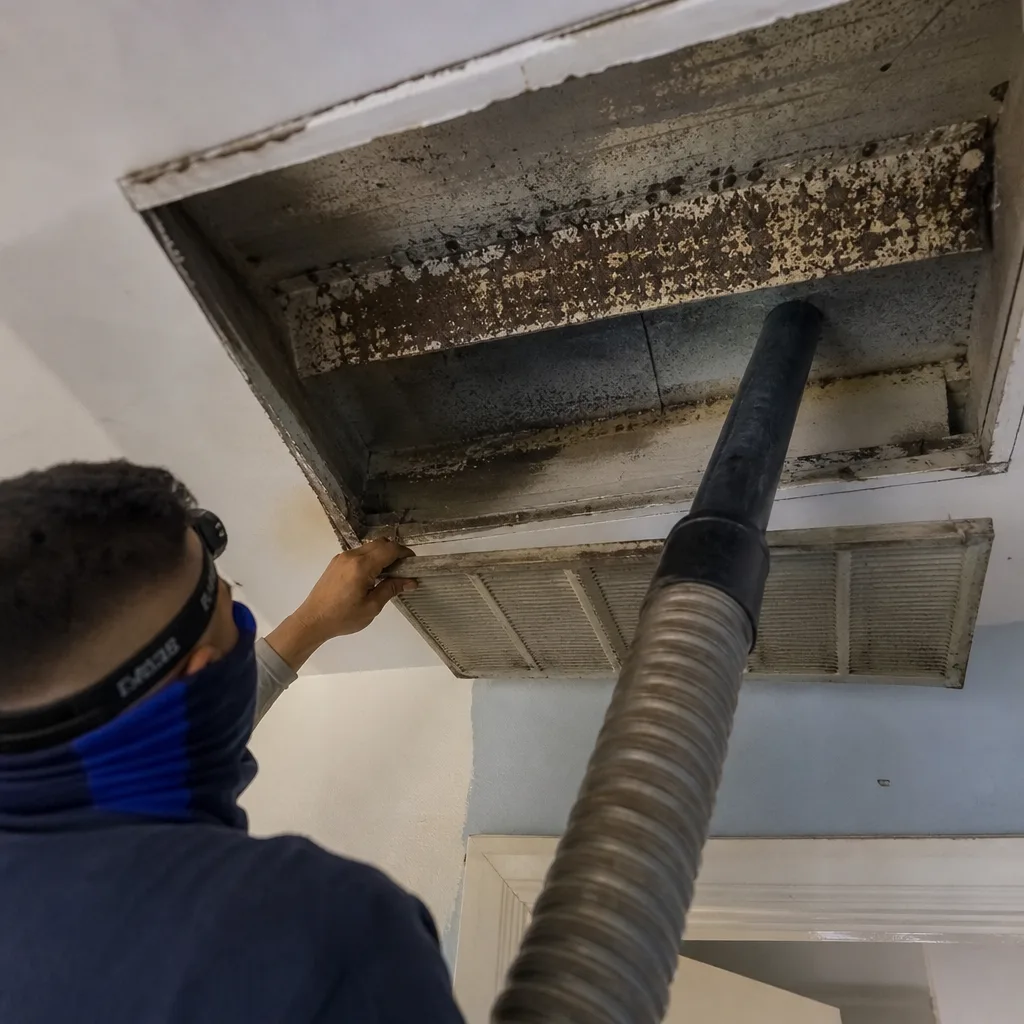
Whole-system duct and dryer vent check with before-and-after photos - you see exactly what came out of your vents
That "$99 whole-house special" is a bait ad - the real number appears once they are in your hallway, or the "clean" is a shop-vac at the register. We photograph the inside of your ducts before and after instead.
Air Duct Cleaning Maintenance Checklist for Preston Hollow Homeowners
The most expensive duct problem we see in Preston Hollow isn’t dirt. It’s the three-year gap. A homeowner notices the system running longer in August, hears a faint rattle when the blower kicks on, catches a musty smell at the return grille in the hallway, and files all of it under “probably fine.” Meanwhile a flex run in the attic has been leaking conditioned air into the heat all summer. Ducts rarely fail dramatically. They degrade quietly, and the checklist below is built to catch that degradation on a schedule instead of a hunch. What follows is a technician-grade inspection protocol, broken into monthly, quarterly, and annual tasks, plus the documentation habit that makes every future visit faster and cheaper.
Styles & brands we work with
- Whole-home duct cleaning
- Dryer vent cleaning
- Camera inspection
- Sanitizing & deodorizing
Quick Answer
A proper duct maintenance checklist for a Preston Hollow home covers four rhythms: monthly filter and register checks, quarterly inspection of returns and outside air intakes, seasonal checks tied to pollen and humidity, and an annual professional assessment of duct seams, insulation, and airflow. The goal isn’t spotless ducts on day one. It’s catching contamination, flex duct tears, and bypass leakage while they’re still small repairs instead of full remediation projects.
Table of Contents
- Why a Checklist Beats a Reminder
- Preston Hollow’s Seasonal Pressure Points
- The Monthly Tasks
- The Quarterly Tasks
- The Annual Tasks
- Reading Supply and Return Registers Like a Technician
- Multi-Zone System Checks
- Filter MERV Ratings and Static Pressure
- Building Your System’s Logbook
- Common Mistakes to Avoid
- When to Call a Professional
- Frequently Asked Questions
- The Bottom Line
Why a Checklist Beats a Reminder
Most homeowners already know they should pay attention to their ducts. They don’t have a structure for it. So the filter gets changed when someone remembers, the registers get wiped when guests are coming, and the actual ductwork gets looked at when something smells wrong. That’s not maintenance. That’s reaction.
A structured protocol works differently because each task is tied to a specific observation and a specific threshold. You’re not asking “do my ducts look dirty?” You’re asking “is the dust film at this supply register uniform, or is there a dark ring at the boot joint that suggests air is escaping behind the drywall?” Those are different questions with different answers and different follow-up actions.
The checklist approach also compounds. A year of logged observations tells a technician more about a Preston Hollow home’s duct system than a single hour-long inspection ever could, because ducts are affected by the seasons. A flex run that reads fine in March can show a moisture-stained jacket by late July. If you’ve logged the March reading, the July reading becomes a data point, not a mystery.
Here’s the practical case for doing this yourself between professional visits, and for keeping one air duct cleaning appointment on the calendar when the log suggests it’s time. The homeowner who walks a technician through a written log gets a real diagnosis fast. The homeowner who says “I think it smells weird sometimes” gets a generic assessment.
Preston Hollow’s Seasonal Pressure Points
The checklist you actually run in Preston Hollow doesn’t look quite like the one you’d run in, say, Minnesota or Phoenix. The seasonal loads are specific to this part of North Texas, and they hit the duct system in a predictable order.
Spring: pollen load
Late February through April brings heavy pollen across Dallas, and much of it settles on outdoor unit coils, window screens, and intake screens on the side of the house. If your return air duct system draws from a ventilated attic or a filtered exterior intake, spring is when dust cake starts building at the initial filter. It’s also when you should first notice if the filter is clogging faster than usual, which is an early signal of a seam leak pulling in attic air downstream of the filter.
Summer: humidity and coil sweat
Long runs of humid mid-90s weather mean the coil and the inside of the air handler are wet for months. That’s normal. What isn’t normal is moisture migrating past a torn flex jacket, wicking into fiberglass insulation, and creating a musty smell that shows up every time the system starts. If your duct runs through garage or attic space and the jacket has even a small tear, summer is when contamination takes hold.
Fall: leaf debris and intake screens
As the trees drop, fine leaf material and seed fluff get pulled into exterior intakes and screens. If those screens go ignored through the fall, the system pulls that material through in the first weeks of heating season. This is also a good window to schedule HVAC cleaning if you skipped a spring visit.
Winter: recirculation
Winters here are mild, but the house closes up and the system runs in heating mode with the blower circulating the same air for hours. Whatever’s in the ducts in November is what’s in the air in January. Winter is when most homeowners notice a smell or a symptom that was already there.
The Monthly Tasks
The monthly checklist is short and takes about ten minutes. Do it on the same day you’d think to check the smoke detector batteries.
- Inspect the filter at the air handler or return grille. Hold it up to a light source. If you can’t see light through it clearly, it’s done.
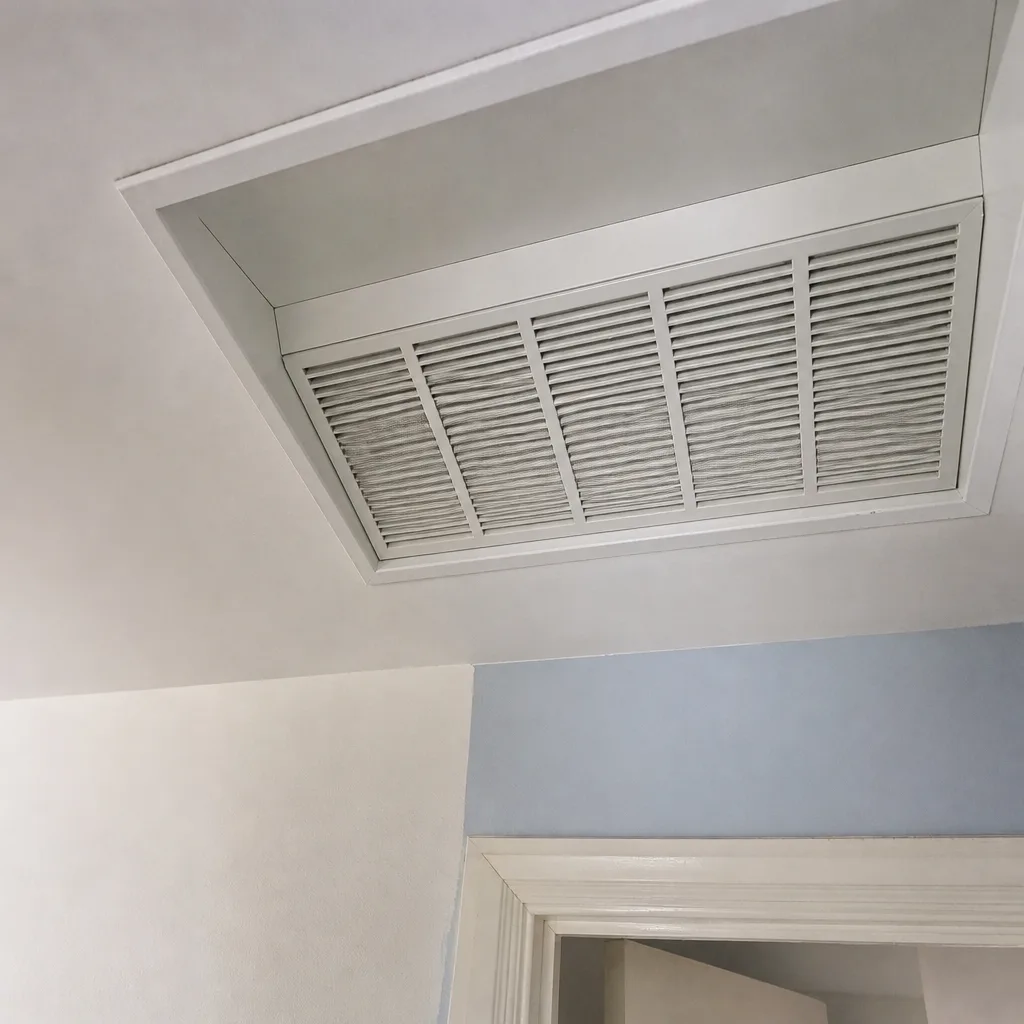
- Look at every visible supply and return register for the dust film described in the register section below. You’re looking for a change from last month, not for perfection.
- Listen to the system for any new sound at startup or at the end of a cycle. A whistle usually points to a restriction. A rattle at the register can be a loose boot or a damper blade that’s come out of position.
- Check the drain pan (if you can see it) for standing water. Any standing water in or near the air handler is a humidity problem that will end up in the ducts.
- Smell the return at startup. Run the fan for thirty seconds and take a direct sniff at the main return grille. If a musty or metallic odor is showing up, log it with the date and move it up the urgency order.
- Wipe one register grille with a white paper towel. Note the color and quantity of what comes off. Keep that paper towel in a labeled bag if it shows dark, greasy, or gritty residue.
The register wipe is the single most under-used diagnostic in home duct maintenance. A light grey film that dries clear is normal surface dust. A dark, sticky, or rusty residue is something else, and it deserves a call.
The Quarterly Tasks
Every three months, add a visual inspection inside the mechanical space and behind the register grilles.
- Remove one supply grille and one return grille and look inside the boot. With a flashlight, check whether the visible duct surface inside the boot is clean, evenly dusty, or caked. “Caked” is the trigger phrase. Caked means actual contamination, not just normal film.
- Inspect the flex duct jacket at every visible run in the attic or crawl. Look for tears, rodent chew marks, condensation stains, and sagging. Any sagged duct run reduces airflow and traps debris at the low point.
- Check exterior intake screens if your system has any. Clear them of leaf debris, pollen mat, and seed fluff.
- Inspect visible duct seams and joints at the air handler. A seam you can see has a seam you can check. Any place where fiberglass or insulation is exposed, or where sealant has cracked and pulled away, is a bypass candidate.
- Confirm register airflow at each supply by holding a tissue near the grille. Strong, even deflection at every register is good. Weak airflow at one register while others are strong is a damper or leak signal.
- Check the dryer vent path if it’s accessible. Lint accumulation is a seasonal record. Note the amount and dates; if you’re seeing heavy lint at the outside flapper every quarter, your dryer vent cleaning interval is too long.
We use professional equipment on the annual jobs, but the quarterly walkthrough is the homeowner’s version of the same inspection. It’s what tells you whether the yearly visit needs to be a standard clean or something more involved.
The Annual Tasks
Once a year, either as a homeowner walkthrough or as a joint review with a technician, the system deserves a deeper pass.
- Photograph every accessible duct run in the attic or crawl. Same angles, same corners each year. Comparing photos year to year is the fastest way to spot a new tear, a new sag, or a new stain.
- Inspect the air handler closet for dust around the panel gaps. Fine dust settling on the outside of the cabinet often means it’s also settling on the inside.
- Check the condensate drain for buildup and slow draining.
- Examine the return air path end to end. A return that runs through a panned floor joist cavity is a common bypass air source, and those cavities need to be on your inspection list.
- Log filter MERV rating and filter change interval for the year. If your interval shrank, that’s a signal (see the MERV discussion below).
- Schedule a professional assessment if the log shows any of the following: caked registers at any point in the year, a new musty smell, a duct tear you can’t easily assess, or a filter interval that shortened by a third or more.
- Have the full system cleaned on the interval your log supports. For many Preston Hollow homes with healthy duct systems and MERV 8 to 11 filters, that interval lands every few years. For homes with visible contamination, an aging system, or pets with heavy shedding, that interval is shorter.
The annual pass is where documentation pays off. Two photos from the same attic corner are worth more to a technician than a paragraph of description.
Reading Supply and Return Registers Like a Technician
The register isn’t just a vent. It’s a diagnostic surface, and if you learn to read it, you’ll catch problems months before they’d otherwise show up.
Normal surface dust
A uniform, light grey film that wipes off cleanly with a dry cloth and doesn’t reappear as a dark ring within a week is normal. Every forced-air system produces this. Nothing to act on.
Dust cake buildup
Dust cake has depth. You can see it as a slightly raised texture on the grille vanes and inside the boot. It doesn’t wipe off in one pass; it smears. Dust cake at supply registers usually means one of two things: the filter is over-matched to the system (too restrictive, causing bypass around the filter frame) or the duct surface upstream is loaded.
Dark ring at the boot joint
A dark, ring-shaped stain where the boot meets the drywall or the ceiling is a strong bypass indicator. Air is escaping around the register rather than through it, carrying dust with it. That dust is going into the wall cavity or the room, not the duct, but it’s telling you the duct system is losing air where it should be sealed.
Rust or staining at the return
Return grilles that show rust spots or brownish staining are telling you moisture is present somewhere upstream. In Preston Hollow, a return that runs near an attic or garage is the most common place to find this. Moisture in the duct is the point where a duct cleaning becomes a remediation question, and it’s not the time to guess.
Greasy or dark residue
Greasy, dark residue at registers, especially near the kitchen, is a sign of cooking aerosol loading or pet dander accumulation. It’s the easiest form of contamination to see and one of the more useful to have documented before calling for service.
If you’re seeing any of these, don’t try to diagnose it further from the ladder. Take a photo, log the date and location, and describe it when you speak with a technician.
Multi-Zone System Checks
A lot of Preston Hollow homes added zone systems when the original ductwork was retrofitted or when a room addition went in. Zoned systems have their own maintenance checklist, and it’s easy to skip because the zoning equipment sits tucked in an attic or closet and rarely gets looked at.
- Test damper function in each zone at the start of every season. Command the thermostat to call each zone individually and confirm airflow actually shifts in the ducts. A stuck-open damper means the zone it serves runs cooler or warmer than the rest of the house.
- Inspect the zoning control panel for fault indicators or repeated calls to the zone controller. A zone controller that’s cycling frequently is a sign a duct run is undersized for its zone, or that a damper is binding.
- Compare airflow across zones with a tissue test at one register per zone. A zone that deflects noticeably less than the others on the same call is working harder to get conditioned air, and often shows the first signs of duct-level leakage or restriction.
- Check for leakage at the zone split point. The trunk where the zoning dampers sit is a common place for a seam to open because of the pressure swings every zone cycle creates.
- Log any zone that has become harder to control. A zone that used to hold temperature easily but now runs a few degrees off is giving you information about a duct problem upstream of the register.
Multi-zone system ducts are less forgiving of bypass. The whole point of a zoned system is that the dampers can reduce flow to a zone without over-pressurizing the trunk. If a run is leaking, that pressure goes where you don’t want it and the system can’t balance.
Filter MERV Ratings and Static Pressure
The instinct, when somebody starts thinking about air quality, is to go straight to the highest MERV rating available. That instinct can cause real damage. This is one of the most common maintenance mistakes we see in Preston Hollow, and it’s entirely avoidable.
MERV ratings measure a filter’s particle capture efficiency. Higher MERV captures smaller particles. Higher MERV also creates more airflow resistance. In a residential system, that resistance adds to the static pressure the blower has to push against. When static pressure climbs above what the blower was designed for, the consequences cascade:
- The blower motor works harder, shortening its life and drawing more current.
- Airflow through the ducts drops, which means the coil sees less air and can freeze or run wet.
- Air that can’t get through the filter finds other paths. It bypasses the filter frame, pulls through the air handler cabinet gaps, or escapes through duct seams that weren’t a problem under normal pressure.
- Return duct seams in older homes begin to open from the added vacuum pull upstream of the filter.
That’s why MERV 13 is not automatically the right choice, and why MERV 8 or MERV 11 with good filter discipline is often better. If you genuinely need the higher capture rate, the standard move is to have a technician measure static pressure before and after the filter change so you can see the actual penalty. If the penalty is too high, options like a deeper filter cabinet, a media filter, or an upstream IAQ unit integrated with Honeywell or Aprilaire filtration can solve the particle capture problem without starving the system. We work with both of those lines specifically to bridge a cleaning visit into a stable air quality setup.
The homeowner’s rule: don’t upgrade MERV rating without measuring static pressure. If you can’t measure it, don’t upgrade the rating until you can.
Building Your System’s Logbook
The checklist only compounds if you write down what you observe. A logbook turns a stack of gut feelings into data a technician can use in the first five minutes of a visit. Here’s the structure we recommend.
What to log after every inspection
- Date and time of the inspection
- Filter: MERV rating, brand, condition on inspection, and whether it was replaced
- Register observations by room: normal film, caked, dark ring, rust, greasy
- Airflow: tissue deflection strength at each supply (strong/weak/none), noted per zone
- Sounds: any new rattle, whistle, or blower noise versus the previous entry
- Smells: musty, metallic, or no change
- Visible duct condition (attic or crawl): tears, sags, condensation, rodent evidence
- Photos: the same angles, every time, named with the date and location
- Weather notes: a quick line on recent humidity or pollen conditions, which contextualizes the reading
Store it on a phone note, a shared document, or a printed sheet taped inside the air handler closet. It doesn’t need to be formal to work. It needs to be consistent.
Why this matters on the next professional visit
When you call for service and you can say “here’s the last three years of filter changes and register photos,” a technician can move directly to the diagnosis rather than spending the first half hour figuring out what’s normal for your house. In homes with multi-zone systems or retrofitted ductwork, that’s a real time saver. On larger jobs (full system cleaning, duct repair, or sanitizing) the log also gives the technician a baseline to compare against after the work is done so you can see the difference. Photos of your own ducts before and after are the most honest record of what was actually done.
Common Mistakes to Avoid
- Treating the filter as the whole checklist. Changing the filter is one task on a longer list. Duct seams, flex jacket condition, register contamination, and insulation moisture are all separate maintenance categories with separate triggers.
- Jumping to MERV 13 as an upgrade. Without a static pressure reading, a higher MERV filter can starve the system, cause coil icing in Preston Hollow’s humid summers, and put pressure on duct seams that weren’t failing before. Match the filter to the system, not to the marketing on the package.
- Confusing attic duct jackets with attic insulation. A sagged or torn section of flex jacket isn’t the same as a little dented insulation batting. The jacket is the vapor barrier for the duct. Once it’s breached, the inner insulation wets out and contamination begins. It’s never a cosmetic issue.
- Assuming a “duct cleaning” quote covers the same work. Some quotes are a vacuum pass over the registers. Others include the full supply and return system, the air handler, and a sanitizing treatment. Compare total scope, not headline price. And before-and-after photos are non-negotiable: ask to see the actual ducts, not a stock image.
- Ignoring the dryer vent. The dryer vent is ductwork too, and it’s the one duct where a maintenance miss has a fire-safety consequence. If the quarterly lint check at the outside flapper is heavy, the vent is overdue for a proper clean.
- Skipping the multi-zone damper tests. Damper blades stick, zone controllers drift, and a zone that still “works” can be running 15% harder than the rest of the house for months before anyone notices. Test dampers at every season change.
- Not documenting what was already done. If you had ducts cleaned and didn’t log the date, the scope, the filter MERV rating at the time, and the before-and-after photos, you’ll be guessing at the next interval. A written record is what tells you whether the work actually held up.
When to Call a Professional
Some of the checklist is a homeowner job, and some of it needs the right equipment. Three triggers should move you to a call quickly: visible contamination at registers that’s caked rather than filmed, any musty smell that returns within days of startup, and any post-renovation dust that’s been drawn into the return system. A fourth trigger is more structural: visible flex duct tears, sags, or bypass air paths at seams that you can’t safely assess from a ladder.
One safety note for the deeper system components. The air handler cabinet, the blower compartment, and any electrical connections inside the unit are not DIY territory. Neither is removing return plenum panels to inspect the cabinet interior. Those areas carry electrical risk and warranty implications, and a technician with proper tools and training is the right person to open them.
Air Duct Cleaning Preston Hollow offers free estimates in Preston Hollow. Call (833) 513-8108. We answer 24/7. Fast dispatch from 7am to 7pm, Sunday through Friday. Our technicians have up to 12 years of experience, and we use Rotobrush and Nikro systems, plus Abatement Technologies filtration equipment and Guardsman sanitizing products, so the assessment and the work are done with the same professional equipment throughout. The local pro is licensed and insured as their state requires, and pricing is set per job by a written estimate before work begins.
Frequently Asked Questions
The most defensible answer is that it depends on the system, not the calendar. In homes with a functioning duct system, a properly sized filter, and no visible contamination at the registers, a professional cleaning every few years is reasonable. In Preston Hollow homes with visible caking at the registers, a recent renovation, pets with heavy shedding, or a musty smell that returns after startup, the interval should be shorter. Call (833) 513-8108 for an exact quote; estimates are free.
Honest whole-system cleaning pricing depends on square footage, number of registers, number of zones, and whether duct repair, sealing, or sanitizing is needed. That’s why we don’t quote a per-vent price or a teaser figure. The written estimate is set per job after a technician has seen the system – which is the only honest way to price it. Call (833) 513-8108 for an exact quote; estimates are free.
Usually because they cover less work, not because they’re the same job at a lower price. A cheap quote is often a vacuum pass at the registers without the return system, the air handler interior, or a sanitizing step, and without a proper containment setup on the truck. The right comparison is scope plus equipment plus before-and-after photos, and a fixed price agreed before work starts. Call (833) 513-8108 for an exact quote; estimates are free.
Ask for before-and-after photos of your own ducts, taken at the same locations, plus a written summary of the scope that was completed. If a company can’t or won’t document the work with your own system’s photos, that’s the answer you needed. On jobs we run, we photograph the ducts before cleaning and after sanitizing so you have a record of what changed. Call (833) 513-8108 for an exact quote; estimates are free.
You can and should inspect the parts you can safely reach: register grilles, visible flex duct runs in the attic or crawl, and the exterior intake screens. What you shouldn’t do is open the air handler cabinet or electrical compartments. A flashlight and your phone camera are the right tools for the homeowner side of the checklist. For the interior inspection of the duct system and air handler, a professional camera scope is the right tool.
Only if a technician has measured static pressure across the filter and confirmed the system can handle the added resistance. Without that measurement, a MERV 13 filter can reduce airflow enough to cause coil icing during Preston Hollow’s humid summer and to over-pressure duct seams. A well-fitted MERV 8 or MERV 11 filter that gets changed on schedule is often the better air quality outcome than a MERV 13 filter that starves the system.
The Bottom Line
Duct maintenance is a structured protocol, not a habit. Monthly filter and register checks, quarterly inspection of returns and visible duct runs, seasonal checks tied to Preston Hollow’s pollen and humidity, and an annual documentation pass catch the small problems that live between professional cleanings. Add multi-zone damper testing if you have a zoned system, keep MERV selection calibrated to static pressure rather than ambition, and log everything so a technician can start with your data instead of guessing. Air Duct Cleaning Preston Hollow exists to handle the professional half of this checklist when the log says it’s time. Call (833) 513-8108 for a free estimate. We answer 24/7. Fast dispatch from 7am to 7pm, Sunday through Friday. Every airflow point in your home gets checked, and the better air starts inside the ducts.
Written by the team at Air Duct Cleaning Preston Hollow.
See the difference
 Before
 After
 Before
 After
 Before
 After